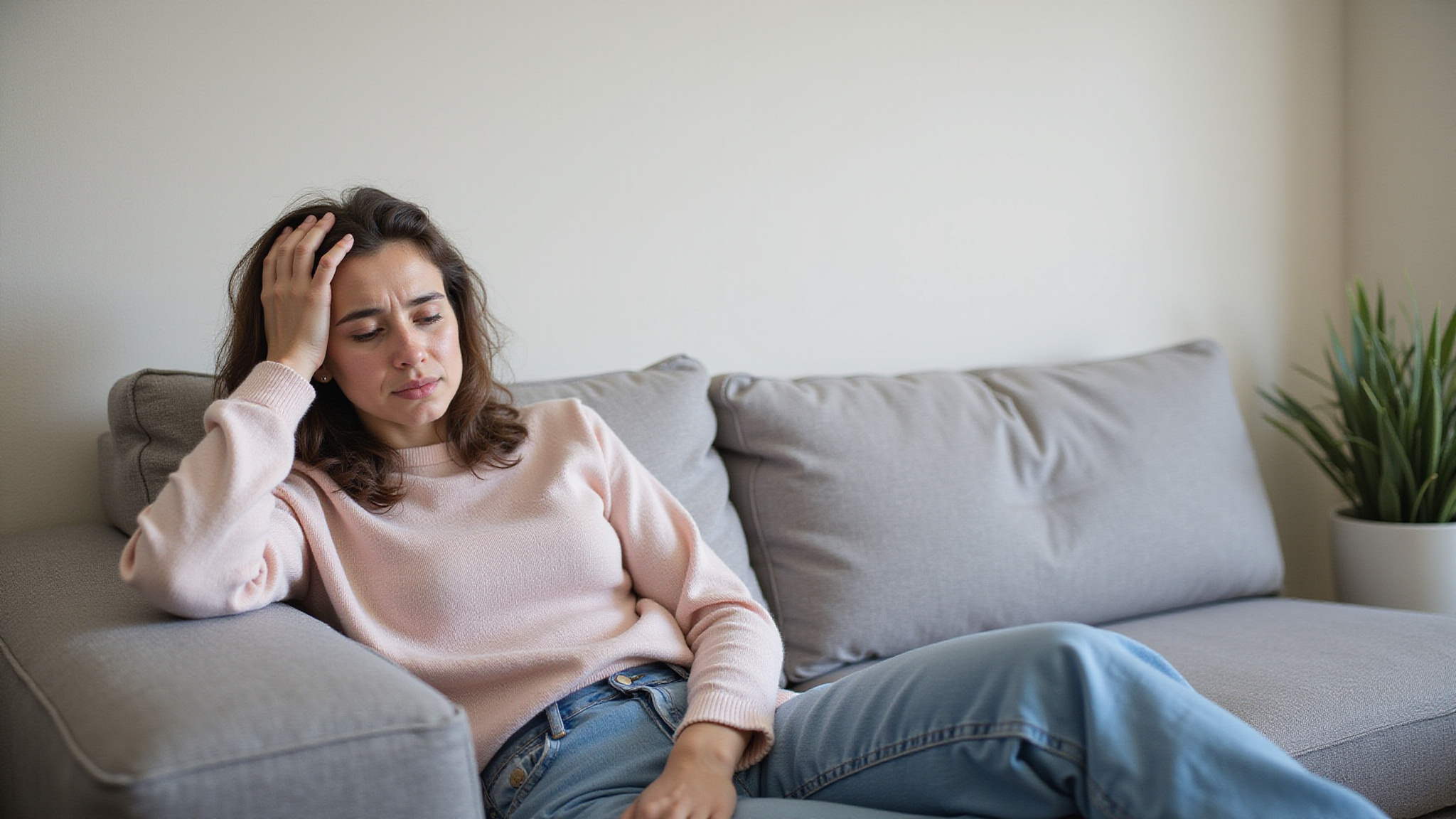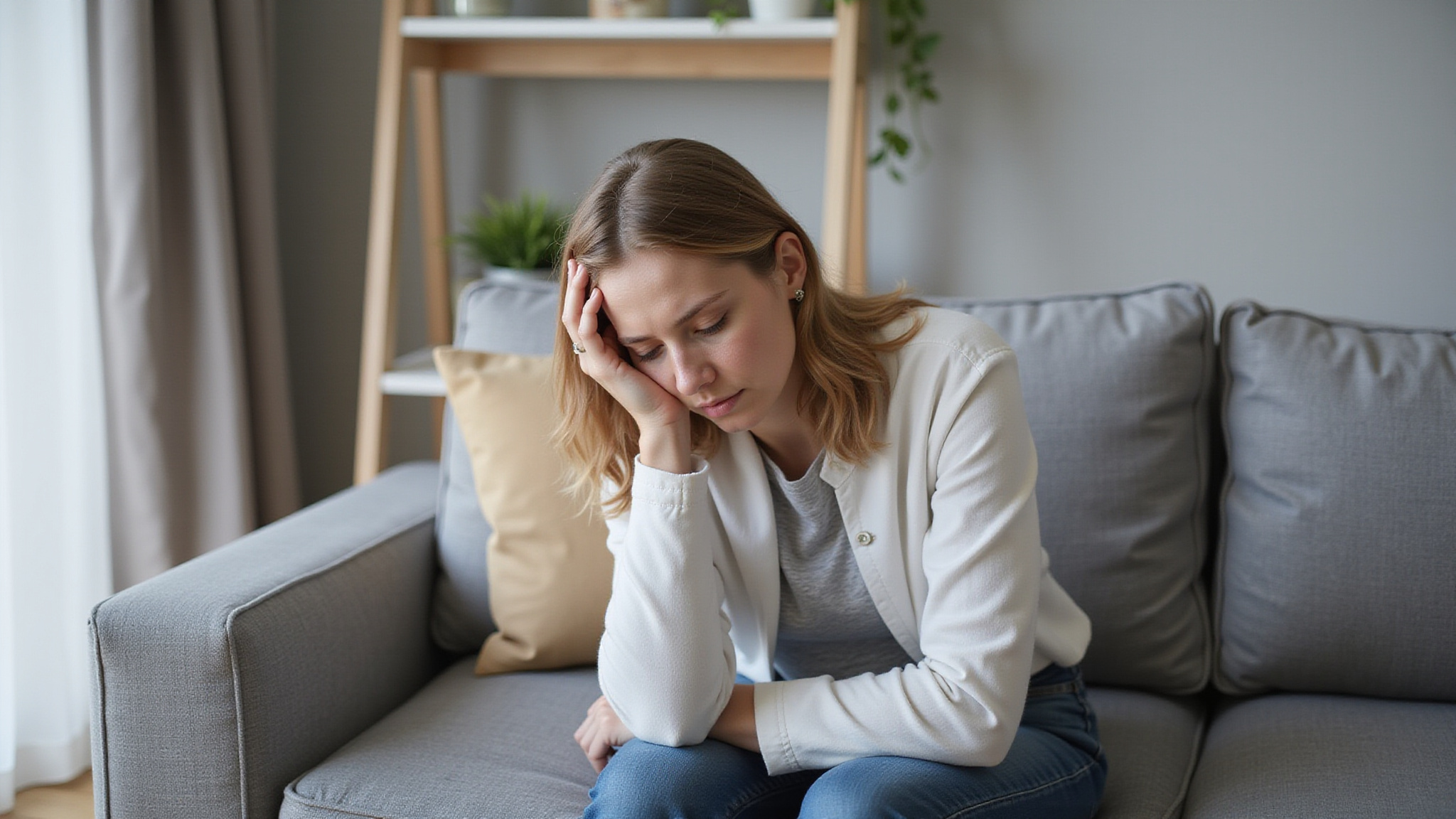
You should avoid mixing Zoloft and alcohol. The FDA label for Zoloft (sertraline) says drinking while you take it is not advised. A small amount is unlikely to cause a severe reaction, but alcohol can make common Zoloft side effects worse. It can also undo the progress you’re making on depression, anxiety or PTSD.
Key Takeaways
- The Zoloft label advises patients not to drink alcohol while taking it.
- Alcohol can worsen nausea, dizziness, sleepiness or trouble sleeping on sertraline.
- Drinking can feed the anxiety, panic or low mood Zoloft is meant to treat.
- Sertraline has a half-life of about 26 hours, so skipping a dose won’t clear it for a night out.
- Zoloft oral concentrate contains 12% alcohol, which matters if you are in recovery.
- Drinking to cope on top of Zoloft is a sign you may need care for both conditions.
Can You Drink on Zoloft?
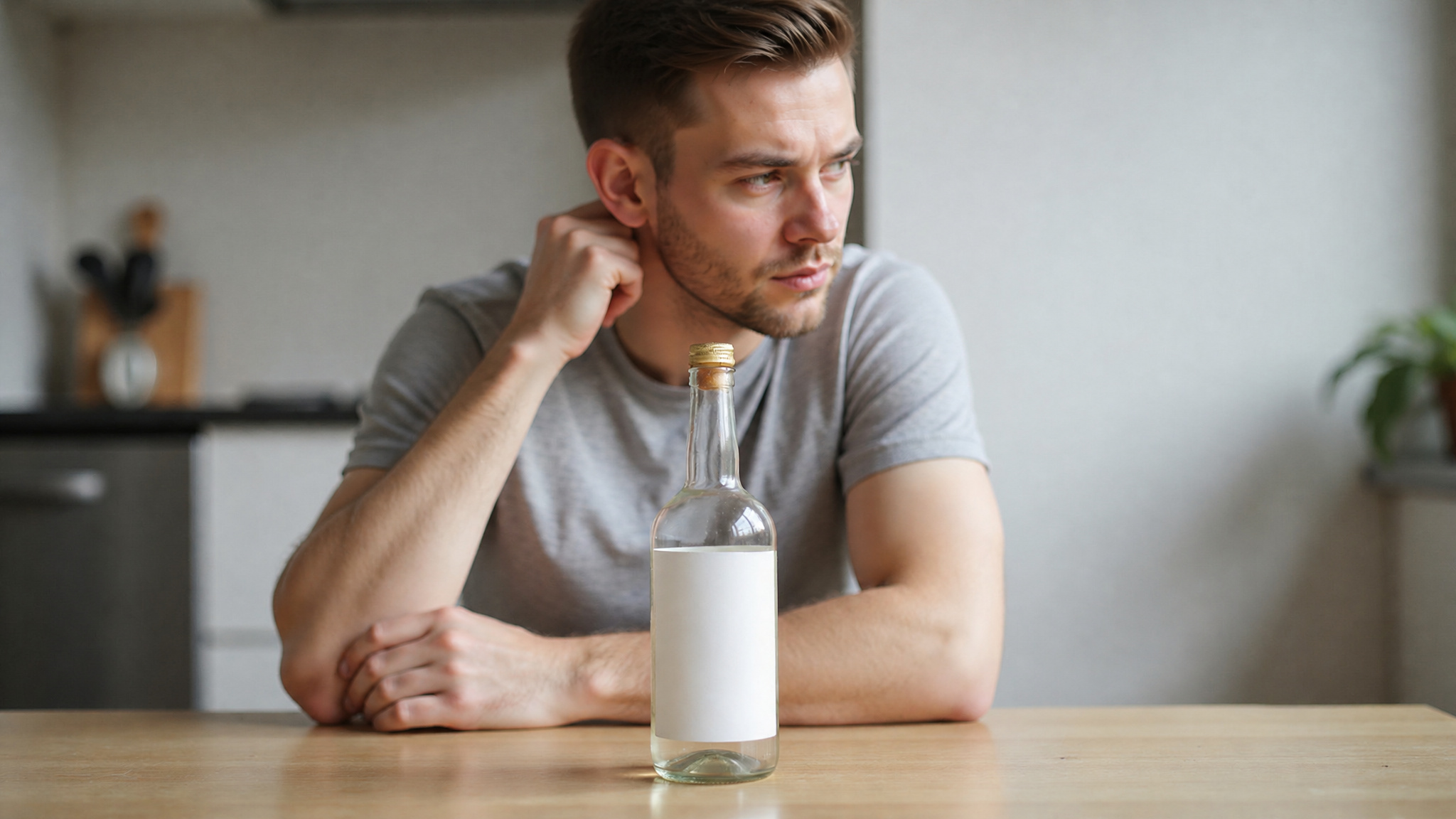
Doctors generally tell you not to. The Zoloft prescribing information says using Zoloft with alcohol is not advised. In a study of healthy volunteers, sertraline did not boost alcohol’s effects on thinking or motor skills. The warning stays in place because of what alcohol does to the conditions sertraline treats.
Zoloft is prescribed for depression, panic disorder, PTSD, social anxiety disorder and OCD. Alcohol can make each of these worse. A drink may calm your nerves at first. As it wears off, anxiety and low mood often come back stronger.
Some prescribers allow an occasional drink once your dose is stable. That depends on your history with alcohol, your other medications and how well your symptoms are controlled. Ask before you drink rather than after.
Zoloft and Alcohol: Side Effects That Get Worse
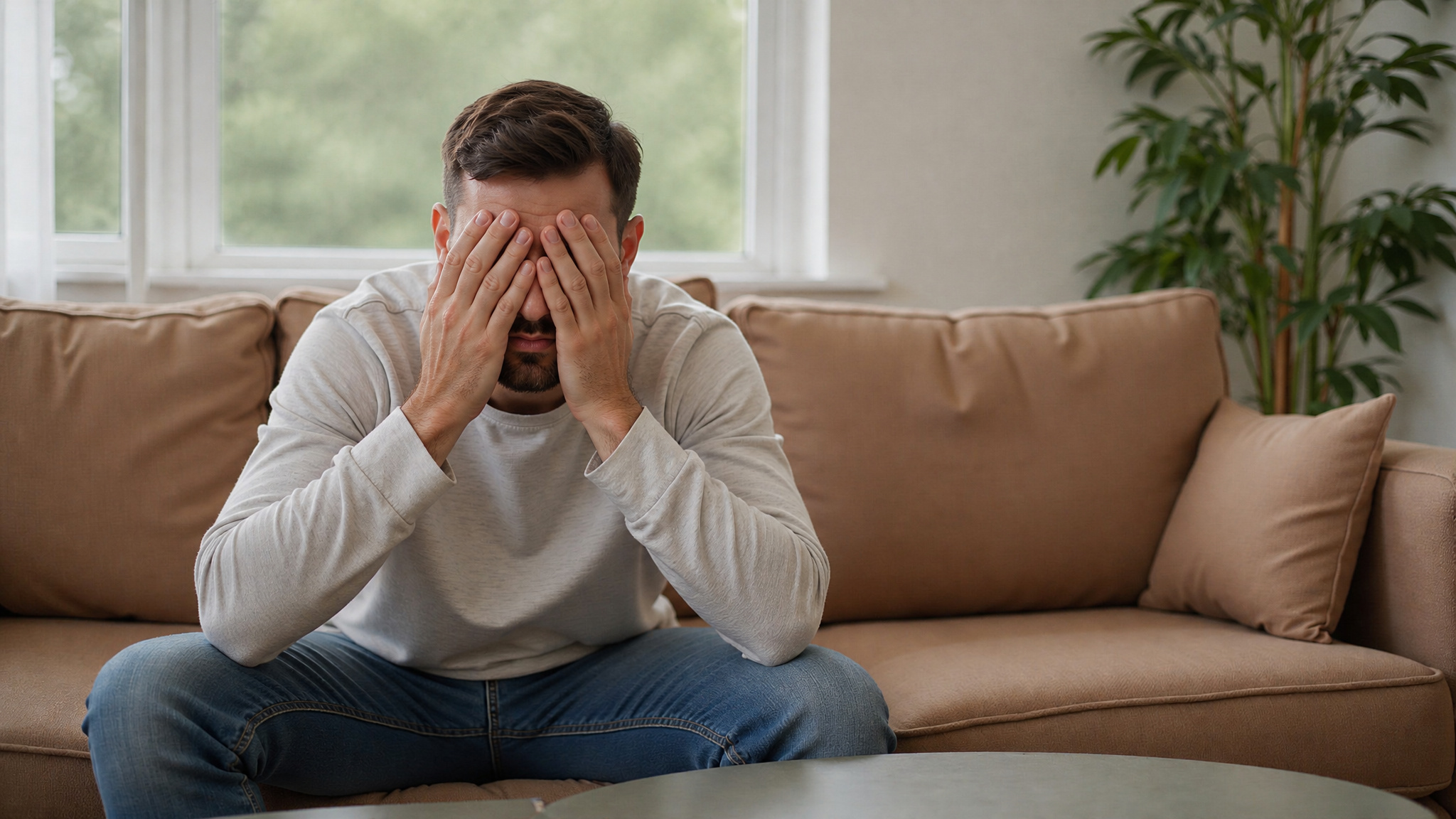
Many of the most common sertraline side effects are also effects of alcohol. When the two overlap, you feel them more. MedlinePlus warns that alcohol can make sertraline side effects worse.
Here is how often these side effects showed up in clinical trials, according to the FDA label:
| Side effect | Zoloft | Placebo |
|---|---|---|
| Nausea | 25% | 11% |
| Insomnia | 21% | 11% |
| Diarrhea or loose stools | 20% | 10% |
| Sleepiness | 13% | 7% |
| Dizziness | 12% | 7% |
Alcohol irritates the stomach, disrupts sleep later in the night and slows your reflexes. If you already deal with nausea or dizziness on Zoloft, a few drinks can turn a mild side effect into a rough night. Don’t drive after drinking on sertraline.
How Alcohol Affects Anxiety and PTSD Treatment
Many people start Zoloft for anxiety or trauma. These are also the conditions people most often try to manage with a drink.
Rebound Anxiety
Alcohol slows down the brain while you drink. When it leaves your system, your nervous system swings the other way. That rebound can bring racing thoughts, a fast heartbeat or panic the next morning. Over time, it can make anxiety treatment feel like it isn’t working.
Sleep and Trauma Symptoms
People with PTSD often drink to fall asleep or quiet nightmares. Alcohol does help you fall asleep, but it breaks up sleep later in the night, according to the Mayo Clinic. Poor sleep feeds hypervigilance and irritability, so trauma symptoms stay stuck.
Slower Progress
Sertraline can take a few weeks or longer to reach its full benefit. Regular drinking during that time can hide whether the dose is right. You may end up on a higher dose or a new medication when alcohol was the real barrier.
Zoloft Liquid Contains Alcohol
Zoloft also comes as an oral concentrate, a liquid you mix with water or juice. The FDA label states the concentrate contains 12% alcohol.
That detail matters in two cases. The concentrate should never be used with disulfiram (Antabuse), a medication that causes a severe reaction to alcohol. If you are in recovery from alcohol use, ask your prescriber about the tablet form instead. The amount of alcohol per dose is small, but it is worth discussing openly.
How Long After Taking Zoloft Can You Drink?
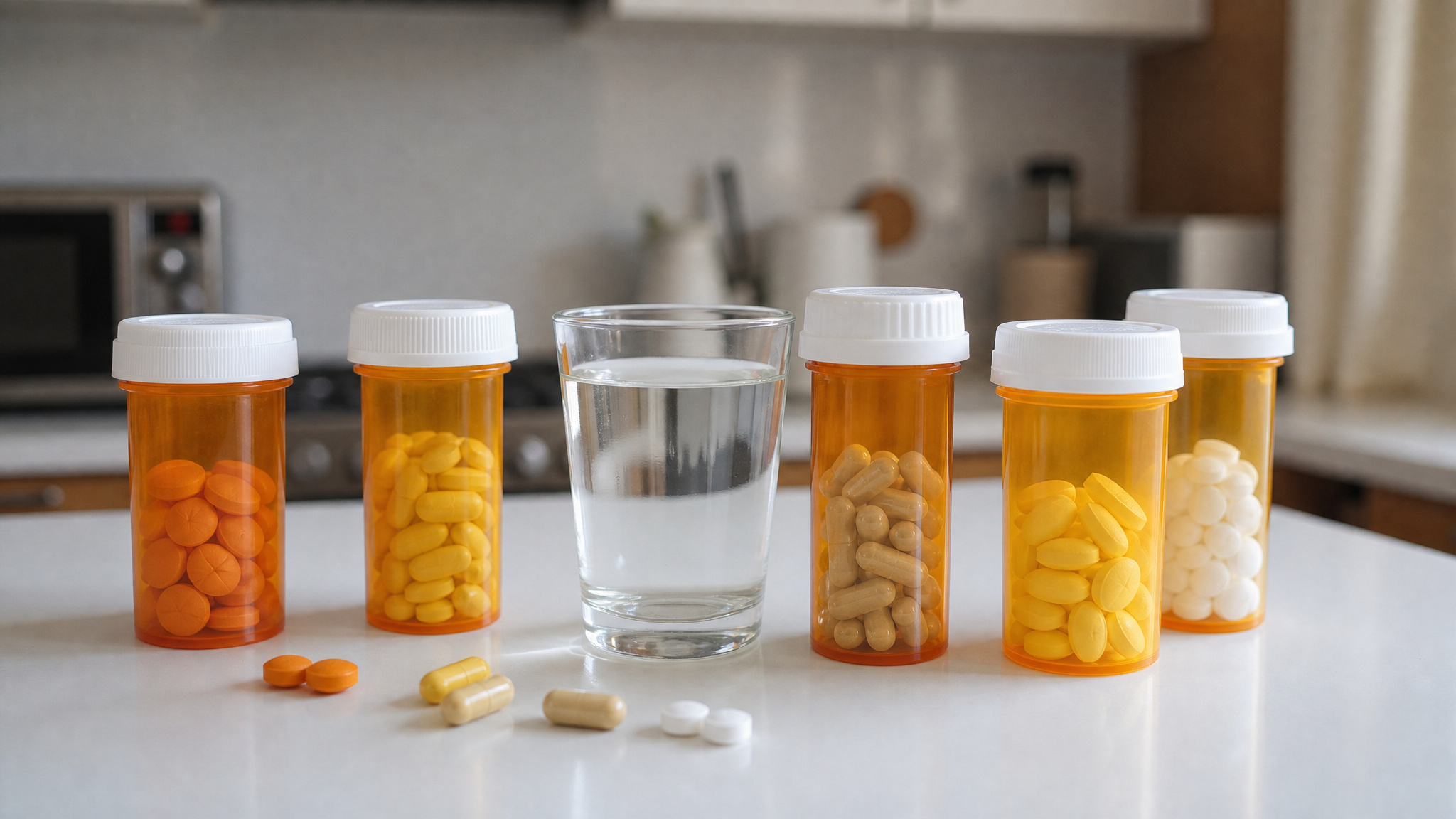
Waiting a few hours after your pill doesn’t make drinking safer. Sertraline has an average half-life of about 26 hours. With daily use, it stays at a steady level in your body at all times.
Skipping a dose to drink can backfire. Stopping sertraline suddenly can cause nausea, sweating, irritability, dizziness, headache and trouble sleeping. Those symptoms can feel a lot like a hangover, which makes the next day harder.
When Drinking on Zoloft Becomes a Bigger Problem
An occasional drink is one thing. A pattern is another. These signs suggest alcohol is getting in the way of your mental health care:
- You drink most days to calm anxiety or get to sleep.
- You plan your Zoloft doses around drinking.
- You hide how much you drink from your prescriber.
- Your panic, flashbacks or low mood are worse after drinking.
- You’ve tried to stop but can’t stay stopped.
When anxiety or depression and drinking feed each other, integrated treatment works better than treating them one at a time. The same care team addresses your mental health, your medication and your alcohol use together.
Conclusion
Mixing Zoloft and alcohol is not advised by the drug’s label. Alcohol makes common side effects stronger. It also works against the anxiety, PTSD or depression you are treating.
Keep taking sertraline as prescribed, avoid skipping doses to drink, and be honest with your prescriber about alcohol. If you rely on drinking to cope, that is a signal to get support for both issues.
Get Help for Anxiety, Depression and Drinking at Lotus Recovery
If you’re taking Zoloft but still reaching for alcohol to get through anxiety or trauma symptoms, Lotus Recovery Treatment Center can help. We provide outpatient mental health treatment in Thousand Oaks with psychiatric care, therapy and support for alcohol use in one plan.
Our trauma and PTSD treatment includes EMDR as well as CBT. Our dual diagnosis program treats mental health conditions and drinking together. Day and evening sessions let you keep up with work or school.
Most insurance is accepted. Call (805) 856-6690 or verify your insurance online to start.
Frequently Asked Questions
Can I skip Zoloft for a day to drink?
No. Sertraline stays in your body for more than a day, so skipping one dose won’t clear it. Missing doses can cause discontinuation symptoms like dizziness, nausea and irritability. It can also let anxiety or depression symptoms return. Take your dose as prescribed.
Can I have one beer while on antidepressants?
One beer is unlikely to cause a dangerous reaction for most people on an SSRI like Zoloft. It can still make you sleepier or dizzier than usual. Labels for most antidepressants advise against drinking, so check with your prescriber first. Avoid alcohol completely if you have a history of alcohol misuse.
Does sertraline make it hard to get drunk?
No. Sertraline does not block alcohol’s effects. Some people feel alcohol more on Zoloft, because both can cause drowsiness or dizziness. If you notice you need more alcohol to feel an effect, that points to tolerance from regular drinking, which is worth raising with your doctor.
Is Zoloft safe if I’m in recovery from alcohol?
Zoloft tablets are commonly prescribed to people in recovery who also have depression or anxiety. The oral concentrate contains 12% alcohol, though, and should not be used with disulfiram. Tell your prescriber about your recovery so they can choose the right form for you.
What happens if you drink a lot on Zoloft?
Heavy drinking on sertraline increases sleepiness, poor coordination and impaired judgment. It can also trigger a sharp drop in mood or a spike in anxiety afterward. If someone is very hard to wake, confused or breathing slowly after drinking, call 911.