
Outpatient alcohol rehab in Thousand Oaks, CA treats adults with alcohol use disorder through day and evening programs they attend while living at home in the Conejo Valley. Care moves across partial hospitalization, intensive outpatient, and standard outpatient levels, three to five days a week, and begins once any needed medical detox is complete. We work with most major insurers and confirm your coverage before you start.
Who We Help in Thousand Oaks and the Conejo Valley
Most people in our Thousand Oaks program are local adults for whom drinking has become a medical problem, but whose home is stable enough that they do not need around-the-clock supervision. This is one level of care at Lotus Recovery Treatment Center in Thousand Oaks, part of our broader alcohol addiction treatment, built for people who can stay at home while they get care. Many arrive stepping down from a detox or a residential stay, and others come straight from a job, a family, or a household across the valley they cannot leave for a month.
Drinking rarely travels alone, so we treat co-occurring depression, anxiety, trauma and PTSD at the same time through our dual diagnosis program, because the drinking tends to return when what sits underneath it goes unaddressed. Our Medical Director is a native Spanish speaker. Families around Thousand Oaks often reach out first, before the person is ready to call it a problem, and those calls are welcome too; by then codependency has usually pulled the whole household into the drinking, and that is part of what treatment addresses.
If You Need Detox First
Alcohol is one of the few drugs where stopping suddenly can be medically dangerous, which is why treatment here begins after detox rather than during it. Heavy daily drinking changes how the nervous system fires, and pulling alcohol away without supervision can bring tremors, a racing heart, vomiting, and in severe cases seizures or delirium. Lotus does not run detox on site, so when withdrawal is a risk we help you into a licensed medical detox in Ventura County first, close to home rather than out of the area. Once a clinician clears you as medically stable, you move straight into our Thousand Oaks outpatient program with no gap between the two steps. If your drinking does not carry a withdrawal risk, you can begin outpatient care right away.
Your Week of Outpatient Alcohol Rehab in Thousand Oaks
Treatment opens with a clinical assessment at our Thousand Oaks center by a licensed therapist, who sets your level of care and builds a schedule around work, family, and your recovery history. From there you move through the levels of outpatient treatment and step down as your footing returns.
Our partial hospitalization program (PHP) is the most structured level, five days a week, Monday through Friday, for the early weeks when support needs to stay close. The intensive outpatient program (IOP) runs five days a week, three hours a day, in the morning or afternoon, so a Conejo Valley job or class stays possible. The standard outpatient program is the lightest level, centered on continuing therapy and relapse prevention, and the evening program carries the same clinical work after hours. A team led by our Medical Director and psychiatric nurse practitioners oversees every level, and you move between them on clinical progress rather than a fixed calendar. If you need a stable, alcohol-free place to live while you attend, we coordinate sober and supportive housing nearby.
Veterans and active-duty service members can join our veterans and active duty IOP track, which runs alongside the alcohol program.
Therapy and Medication for Alcohol Use Disorder
Alcohol treatment here brings talk therapy, medication where it helps, and psychiatric care into one plan. Cognitive behavioral therapy (CBT) is the backbone, working on the thoughts and triggers that drive drinking. Dialectical behavior therapy (DBT) builds the skill of sitting with stress and craving without reaching for a drink, and EMDR is there when the drinking is rooted in trauma. Group work, family sessions, and motivational counseling round out the week. Family sessions also work on the codependency that often builds up around heavy drinking, so the people closest to you heal alongside you rather than staying caught in old patterns.
Medication can also play a part. FDA-approved medication for alcohol use disorder is available through our MAT program when it fits your plan, and our Medical Director and psychiatric team decide with you whether it belongs in your plan. Medication is paired with counseling, never run on its own.
Getting Treatment Without Leaving the Conejo Valley
Outpatient treatment lets you treat alcohol use disorder while living at home in Thousand Oaks, where residential rehab means moving into a facility full time, often outside the area. For most people with a stable home, leaving the Conejo Valley for a month is the harder path and not the medically necessary one.
| Outpatient (Lotus, Thousand Oaks) | Residential | |
|---|---|---|
| Where you live | At home or in local sober housing | At the facility, around the clock |
| Daily commitment | Three to five days a week, part of the day | Full time, usually a month or more |
| Staying local | You stay in the Conejo Valley | Often out of the area |
| Best for | A stable home, a job or family to hold | An unsafe home, or a need for 24-hour care |
Outpatient is the right starting point when home is stable and you cannot step away from work or family. Residential is the safer choice when home is not sober or safe, or when the medical risk of early recovery needs overnight staff, and we refer out when that is the case. We settle which level fits at your intake assessment, right here in Thousand Oaks.
What People in Recovery Say
A few people we have worked with, in their own words:
"Lotus was a great treatment center, really nice staff and a overall great experience."Hunter L.
"Do not give up if u mess up or slip. Just dust yourself off and everyone will help you anyway they can at Lotus."Robyn P.
"The staff was respectful, responsive, and committed to providing a supportive environment."John Paul M.
Alcohol and Drunk Driving in the Conejo Valley
Thousand Oaks sits in the Conejo Valley in eastern Ventura County, where drunk driving is the most visible edge of the area's alcohol problem. The California Office of Traffic Safety recorded 224 DUI arrests in Thousand Oaks in 2023, and 48 people were killed or injured in alcohol-involved crashes in the city that year. In the same year, 23 people were killed or injured in Thousand Oaks crashes involving a driver aged 21 to 34 who had been drinking. Those figures are only the part that reaches a police report; many more people across the valley are drinking at harmful levels without it ever showing up in a statistic.
Our center is at 290 Conejo Ridge Avenue, off the US-101 corridor, reached by most people on the 101, Lynn Road, or Moorpark Road. Alcoholics Anonymous and other recovery meetings run daily across the Conejo Valley, and we connect you into them as part of aftercare so support continues once structured treatment eases off.
Source: California Office of Traffic Safety, Thousand Oaks 2023 rankings.
Communities We Serve Near Thousand Oaks
We treat adults across the Conejo Valley and eastern Ventura County who can reach our Thousand Oaks facility, including:
- Thousand Oaks and Newbury Park
- Westlake Village and Oak Park
- Agoura Hills and Calabasas
- Camarillo, Moorpark, and Simi Valley
If your town is not on the list and you can get to Thousand Oaks a few days a week, call us; you are likely within our service area.
How To Reach Our Thousand Oaks Office
Our office is at 290 Conejo Ridge Avenue, Thousand Oaks, CA 91361, just off US-101 in the Conejo Valley, with easy access from the 101, Lynn Road, and Moorpark Road. Use the map below for turn-by-turn directions from your area, or call us and we will talk you in.
Insurance Coverage for Alcohol Treatment
We work with most major commercial insurers and verify your coverage on any plan before you start. We work with Blue Cross Blue Shield, Aetna, UnitedHealthcare, Optum, UMR, Anthem, GEHA, Blue Shield of California, and Kaiser Permanente. Coverage varies by plan, and benefits must be verified before treatment begins. Call us or send the verification form and we will confirm what your plan covers before you commit to anything.
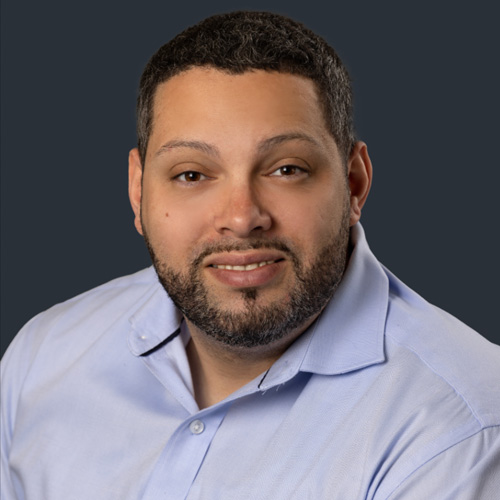
Medically reviewed by Codie Vassar, MD, MS
Board-Certified Adult Psychiatrist · Medical Director, Lotus Recovery Treatment Center
Codie Vassar, MD, MS is a board-certified adult psychiatrist and Medical Director at Lotus Recovery Center, with clinical experience spanning outpatient psychiatry, psychiatric crisis services, and addiction treatment. Dr. Vassar earned a medical degree and completed psychiatry residency at the Medical College of Wisconsin, and holds a master's in Clinical Informatics from the University of Wisconsin-Madison. A 15-year veteran of the Wisconsin Army National Guard Medical Corps, Dr. Vassar is a member of the American Society of Addiction Medicine and speaks Spanish natively. Connect with Dr. Vassar on LinkedIn.
Alcohol Rehab Questions, Answered
How Long Does Outpatient Alcohol Rehab Take?
Most people spend several weeks to a few months in outpatient alcohol treatment, moving from more structured care to lighter support as they stabilize. Partial hospitalization and intensive outpatient are measured in weeks, then step down to standard outpatient over the following months. Length is set by clinical progress, not a fixed number of days.
Do You Have To Pay To Go To Rehab For Alcohol?
Most people do not pay out of pocket for the whole program, because many commercial plans include substance use benefits. What is left is your plan's share, and we verify your exact benefits and tell you what your plan covers before you commit to anything. If you do not have insurance, call us and we will go through the options with you.
Can I Attend Alcohol Rehab In The Evening In Thousand Oaks?
Yes. Our evening program delivers the same therapy and relapse prevention work as the daytime outpatient level, so you can work during the day and attend treatment after hours. We set your schedule at the intake assessment.
How Do People Afford Alcohol Rehab?
Most people use health insurance, and many commercial plans include substance use benefits. We verify your plan and tell you what it covers before you decide anything.
Is It Dangerous To Stop Drinking On Your Own?
It can be. For someone who drinks heavily every day, stopping suddenly can trigger tremors, a racing heart, vomiting, and in severe cases seizures, so medical supervision during withdrawal matters. We screen for that risk at intake and help you into a licensed medical detox first when it applies, then bring you into outpatient care once you are stable.
Is Medication Used To Treat Alcohol Cravings?
Yes. FDA-approved medication for alcohol use disorder can reduce cravings and the reward that drinking provides, and it is available through our medication-assisted treatment program when it fits your plan. Our Medical Director and psychiatric team decide that with you, and medication is always paired with therapy.
Do You Treat Alcohol Use Disorder And Mental Health Together?
Yes. Depression, anxiety, trauma, and PTSD often sit underneath heavy drinking, so we treat both at once through our dual diagnosis care rather than sending you to two places. Your therapist and our psychiatric team work from one coordinated plan, because treating the drinking alone tends to leave the door open for it to return.
Can I Attend Alcohol Treatment Without Leaving Work?
Yes, that is the point of outpatient care. Intensive outpatient runs three hours a day with morning or afternoon options, and an evening program lets you attend after the workday, so you can keep a job or care for family while in treatment. We set your schedule around those commitments at the intake assessment.
Start Outpatient Alcohol Rehab in Thousand Oaks Today
Outpatient alcohol treatment in Thousand Oaks starts with one call, a free phone consultation and a free insurance check, and our admissions line is answered 24 hours a day. Tell us what is going on, and we confirm your coverage and map out the level of care that fits.