The most common Vivitrol side effects are soreness at the injection site, nausea, headache, tiredness and dizziness. Most are mild and ease within the first few weeks. A smaller number of people have serious reactions, such as a severe injection site reaction or liver problems. Vivitrol also lowers your tolerance to opioids, which raises overdose risk if you use opioids after a missed or stopped dose.
Key Takeaways
- Vivitrol is a monthly naltrexone injection for alcohol dependence or opioid relapse prevention.
- Injection site reactions are the most common side effect, reported by 69% of people in one trial.
- Nausea, headache, fatigue, dizziness and lower appetite are also common in the first weeks.
- Serious risks include severe skin reactions at the shot site, liver injury and allergic reactions.
- You must be opioid-free for at least 7 to 10 days before your first shot.
- After stopping Vivitrol, even a small dose of opioids can cause a fatal overdose.
What Is Vivitrol and How Does It Work?
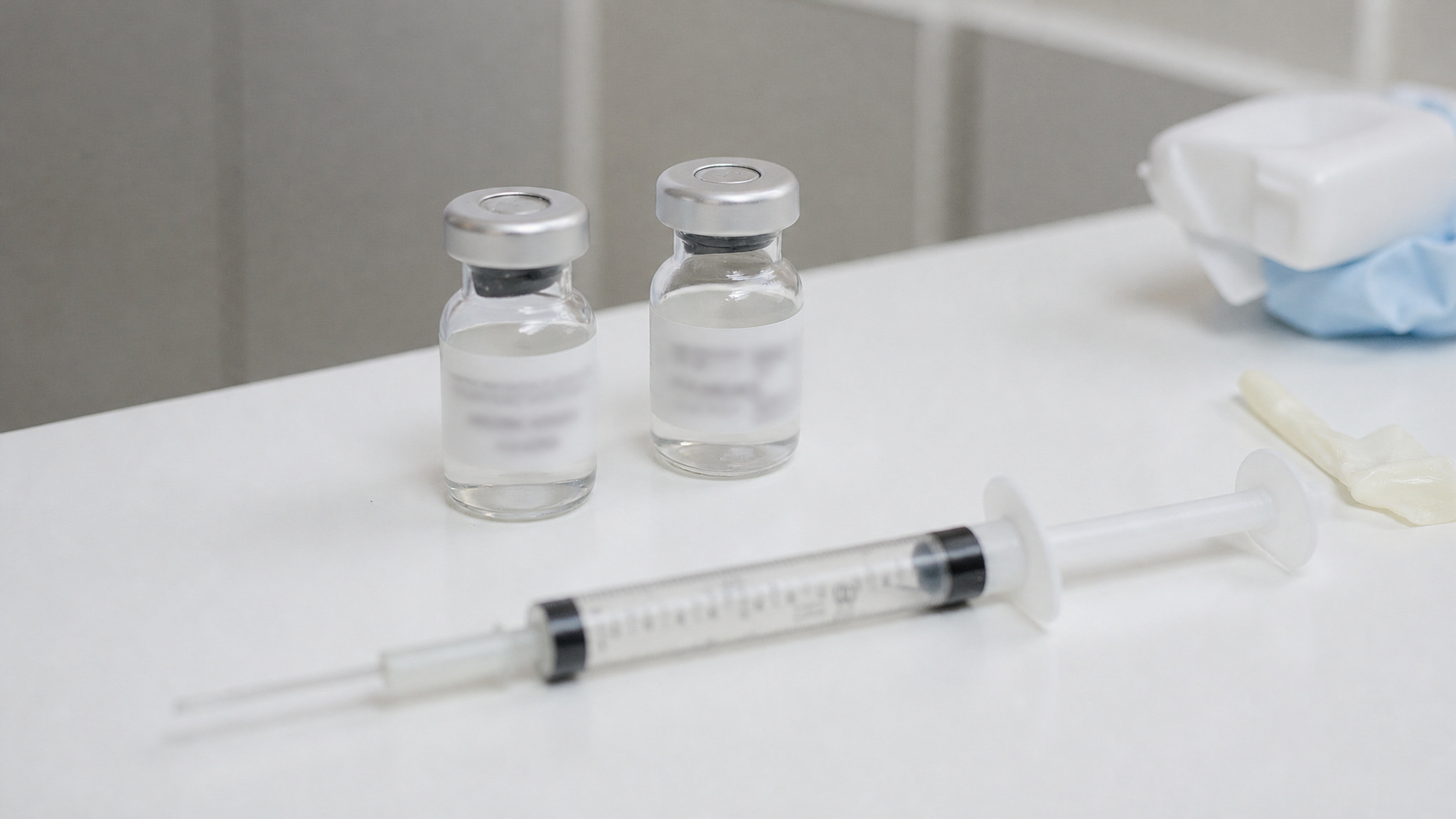
Vivitrol is an extended-release form of naltrexone. A healthcare provider gives it as a shot in the buttock muscle every 4 weeks. It blocks opioid receptors in the brain, which means opioids can’t produce a high. It also reduces cravings for alcohol.
The FDA has approved Vivitrol for two uses. It treats alcohol dependence in people who can stop drinking before the first shot. It also helps prevent relapse after opioid detox. Both uses are meant to go along with counseling and support.
Unlike Suboxone, Vivitrol is not an opioid. It doesn’t cause physical dependence, and stopping it doesn’t cause withdrawal.
Common Vivitrol Side Effects

The Vivitrol prescribing information lists how often side effects appeared in a clinical trial for alcohol dependence. These are the rates for the standard 380 mg dose compared with placebo.
| Side effect | Vivitrol 380 mg | Placebo |
|---|---|---|
| Injection site reactions | 69% | 50% |
| Nausea | 33% | 11% |
| Headache | 25% | 11% |
| Fatigue or weakness | 23% | 12% |
| Lower appetite | 14% | 3% |
| Vomiting | 14% | 6% |
| Dizziness or fainting | 13% | 4% |
In people treated for opioid dependence, the most frequent side effects included higher liver enzyme levels, injection site pain, cold symptoms, insomnia and toothache.
Injection Site Soreness
Tenderness, firmness, redness or bruising where the shot was given are common. They usually fade within a few days. Your provider alternates buttocks each month to give each side time to heal.
Nausea and Stomach Upset
Nausea tends to show up after the first shot and often improves with later doses. Eating smaller meals and staying hydrated can help in the first few days.
Tiredness and Dizziness
Some people feel tired, dizzy or lightheaded after an injection. Don’t drive or operate machinery until you know how Vivitrol affects you.
Serious Vivitrol Side Effects
Serious reactions are less common, but you should know the warning signs. MedlinePlus advises getting medical help right away for any of these:
- Severe injection site reactions: swelling, hard lumps, blisters, open wounds or a dark scab. Some cases have needed surgery.
- Liver problems: yellow skin or eyes, dark urine, pale stools or pain in the upper right belly.
- Allergic reactions: hives, rash or swelling of the face, mouth or throat.
- Breathing problems: coughing, wheezing or shortness of breath, which can signal a rare lung inflammation.
- Mood changes: new or worse depression, or thoughts of suicide.
If you have thoughts of suicide, call or text 988 right away.
The Biggest Risk: Opioid Overdose After Vivitrol
Vivitrol lowers your tolerance to opioids over time. That becomes dangerous in three situations: near the end of a monthly dose, after a missed shot or after you stop treatment.
At those points, a dose of opioids you once handled could stop your breathing. Trying to override the blockade with large amounts of opioids is also extremely dangerous.
Keep naloxone (Narcan) at home. Make sure the people close to you know how to use it. Call 911 for any suspected overdose, even if naloxone has been given.
Before Your First Vivitrol Shot
Starting Vivitrol too soon after opioid use can cause sudden, severe withdrawal. The label calls for at least 7 to 10 days without short-acting opioids. People coming off buprenorphine may need up to two weeks.
For alcohol, you should not be actively drinking at the time of your first injection. Your provider may run a urine test or a short naloxone challenge to confirm it is safe to start. If you take Suboxone now, this waiting period is part of how long Suboxone stays in your system.
How to Manage Vivitrol Side Effects

- Use a cold pack on the injection site for short periods to ease soreness.
- Eat small, bland meals if you feel nauseated.
- Rest and stay hydrated for the first day or two after your shot.
- Carry a card or ID that says you take Vivitrol, in case of emergency.
- Report any side effect that is severe or doesn’t fade to your care team.
Conclusion
Most Vivitrol side effects are mild, such as injection site soreness, nausea or headache, and they often ease after the first few weeks. Serious reactions are rare but need fast care.
The most important safety point is opioid sensitivity. Plan with your care team before you miss a shot or stop treatment. That way, Vivitrol protects your recovery instead of putting you at risk.
Vivitrol Treatment at Lotus Recovery
Lotus Recovery Treatment Center offers Vivitrol treatment as part of outpatient care in Thousand Oaks. Our medical team monitors your side effects, times your first shot safely and adjusts your plan as you go.
Vivitrol works best alongside counseling. You can pair it with our alcohol addiction treatment or opioid recovery programs, with day or evening sessions. Doctors are on call 24/7.
Most insurance is accepted. Call (805) 856-6690 or verify your insurance to book a same day appointment.
Frequently Asked Questions
What are the risks of taking Vivitrol?
The main risks are severe injection site reactions, liver injury, allergic reactions and depression. The biggest danger is opioid overdose after a missed or stopped dose, since your tolerance drops. Starting too soon after opioid use can also cause severe withdrawal.
What should you avoid while on Vivitrol?
Avoid all opioids, including prescription painkillers and opioid street drugs. Vivitrol also blocks opioid-based cough, cold and diarrhea medicines. Tell every doctor and dentist that you take it. Avoid driving until you know how it affects you.
What does Vivitrol do for alcohol?
Vivitrol reduces cravings for alcohol. It can also make drinking feel less rewarding. It works best when you have stopped drinking before the first shot. Counseling or an outpatient program should go along with it.
Can Vivitrol make you gain weight?
Weight gain is not one of the common side effects listed in the FDA label. Lower appetite is more common, reported by 14% of people at the standard dose. Weight changes in either direction were reported only occasionally. Talk with your provider if you notice a change.
How long do Vivitrol side effects last?
Most side effects, like nausea or headache, are strongest in the days after a shot. They often fade within a week or two. Injection site soreness usually clears in a few days. Side effects tend to lessen with later doses.