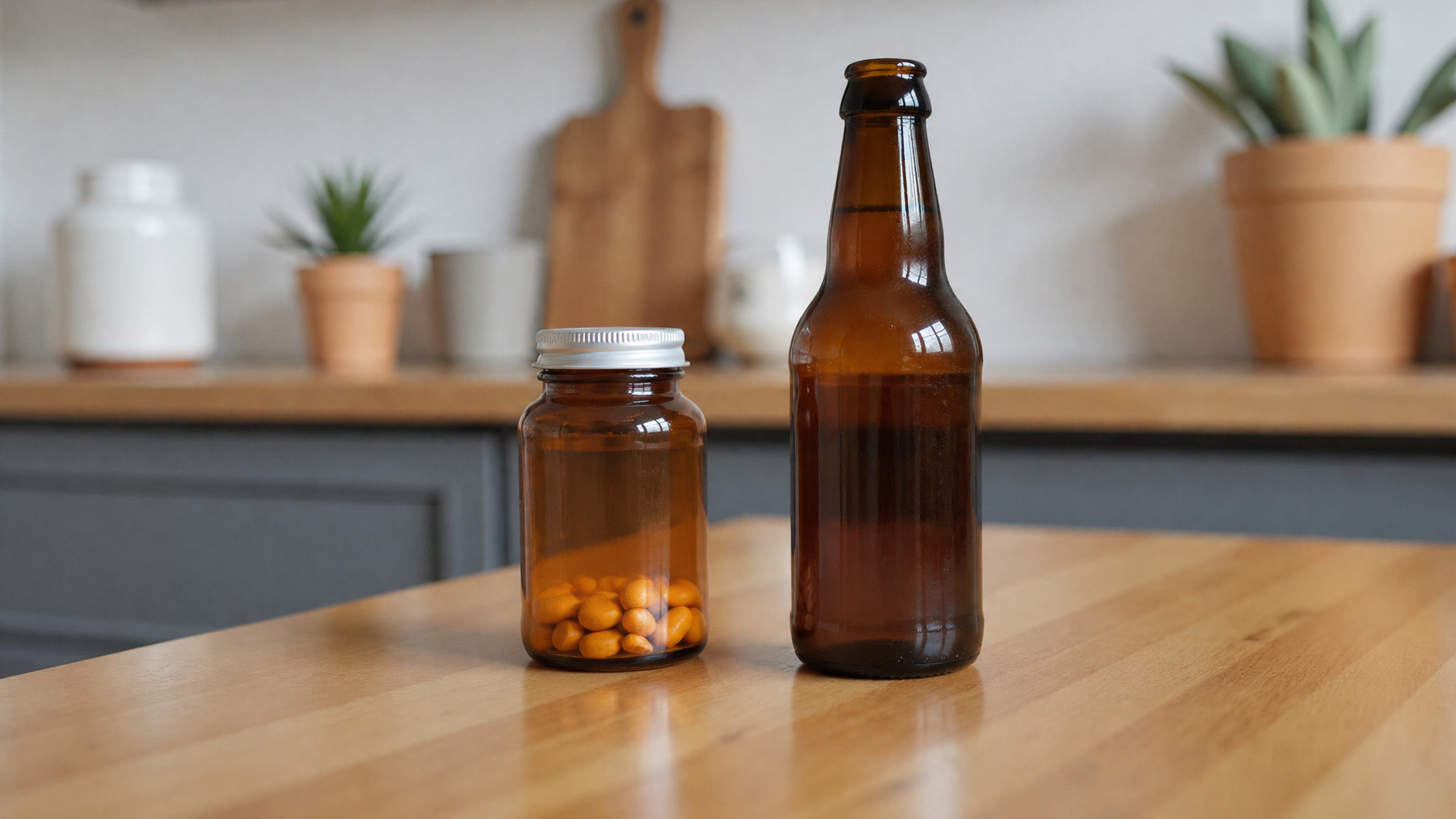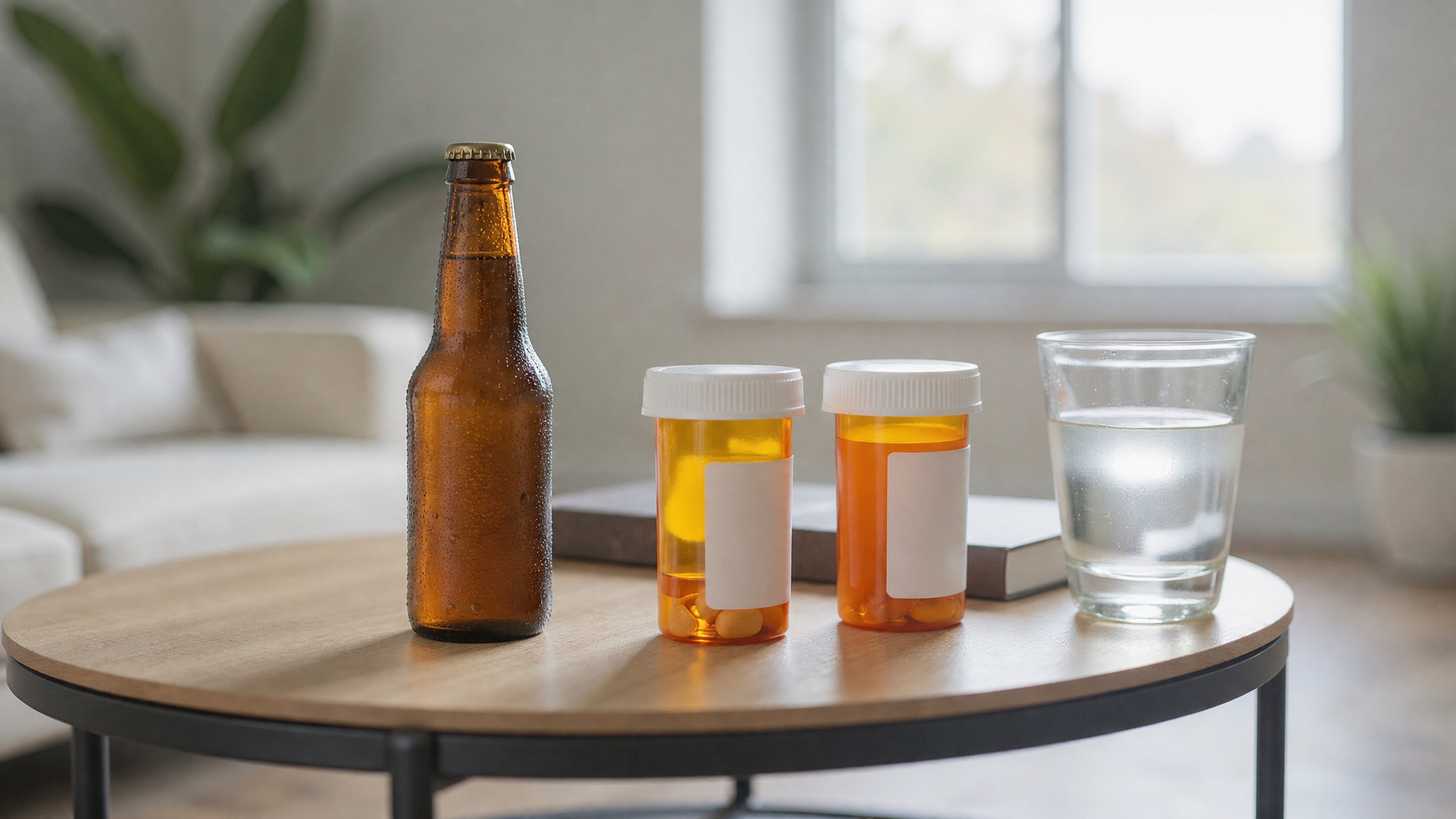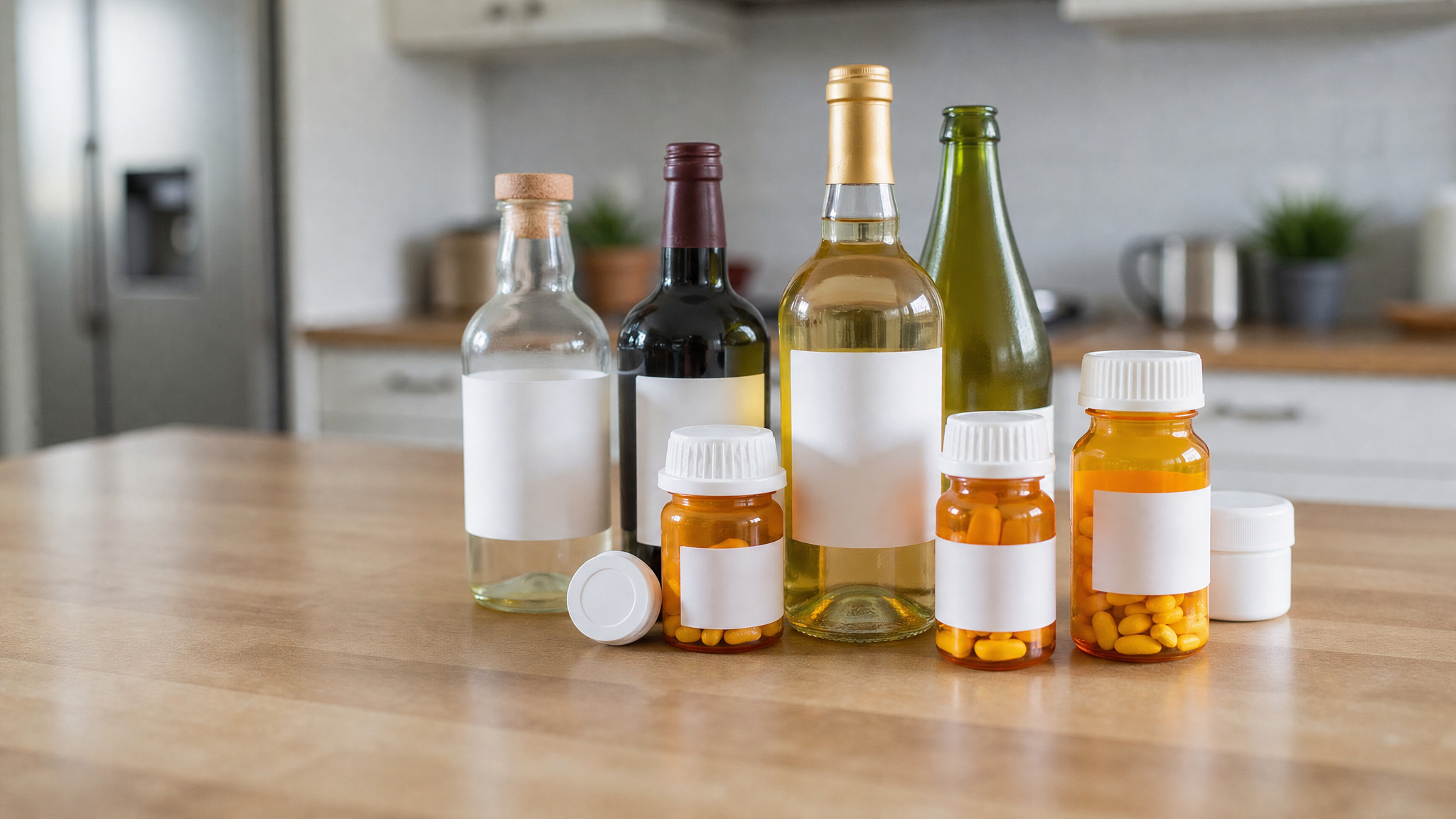
Doctors advise against mixing Lexapro and alcohol. The FDA label for Lexapro (escitalopram) says drinking during treatment for depression is not advised. One drink is unlikely to cause a dangerous reaction for most adults. Still, alcohol can make side effects like drowsiness worse, blunt the mood benefits of the medication, and keep depression or anxiety going longer.
Key Takeaways
- The Lexapro label advises against drinking alcohol while you take it for depression.
- Alcohol adds to the drowsiness, dizziness and slower reaction time Lexapro can cause.
- Drinking can work against Lexapro, since alcohol is a depressant that lowers mood over time.
- Escitalopram has a half-life of about 27 to 32 hours, so it stays active in your body all day.
- Never skip a dose to make room for a drink. Missed doses can bring on discontinuation symptoms.
- If cutting back feels hard, you may need care for depression and drinking at the same time.
Can You Drink Alcohol on Lexapro?
Lexapro’s prescribing information does not list alcohol as a dangerous drug interaction. In one clinical trial, escitalopram did not increase the effects of alcohol on thinking or motor skills. The same FDA prescribing information still tells prescribers to counsel patients that drinking during treatment for depression is not advised.
That advice comes down to what alcohol does to the condition Lexapro treats. Alcohol is a central nervous system depressant. It can lift your mood for an hour or two, then leave you feeling lower the next day.
Over weeks, regular drinking keeps depression and anxiety going. This makes it hard for you and your prescriber to tell whether the medication is working.
Some people do drink small amounts on Lexapro with their doctor’s approval. That choice depends on your dose, your mental health history and how much you usually drink. Talk with the person who prescribes your medication before you have a drink.
What Happens When You Mix Lexapro and Alcohol
The most common problem is side effects that stack on top of each other. Lexapro can make you sleepy or dizzy on its own. Alcohol does the same thing, so the two together can hit harder than you expect.
| Effect | What you may notice |
|---|---|
| Drowsiness | Feeling much sleepier than usual, even after one or two drinks |
| Dizziness | Trouble with balance or feeling lightheaded when you stand up |
| Slower reactions | Poor coordination and unsafe driving |
| Mood changes | A short lift, then lower mood or more anxiety the next day |
| Poor sleep | Falling asleep faster, then waking up through the night |
| Nausea | An upset stomach, which is already a common Lexapro side effect |
Nausea is the most common example. In clinical trials, 15% of adults with depression taking Lexapro reported nausea, compared with 7% of those on placebo. MedlinePlus warns that alcohol can make escitalopram side effects worse.
The Mayo Clinic adds that drinking on an antidepressant can affect your judgment and coordination more than alcohol alone. Don’t drive or operate machinery after drinking while you take Lexapro.
Does Alcohol Make Lexapro Less Effective?
Yes, alcohol can keep Lexapro from doing its job. It doesn’t stop your body from absorbing escitalopram. The problem is that it pushes your mood in the opposite direction from the medication.
Lexapro takes several weeks to reach its full effect. Drinking during that window keeps adding a depressant to your system, so your mood may not improve the way it should.
Alcohol can also cause depressive symptoms on its own. A review in Alcohol Research: Current Reviews found these symptoms often improve after 3 to 4 weeks without alcohol. If you keep drinking, it becomes hard to know whether Lexapro is working or whether alcohol is driving how you feel.
How Long After Taking Lexapro Can You Drink?
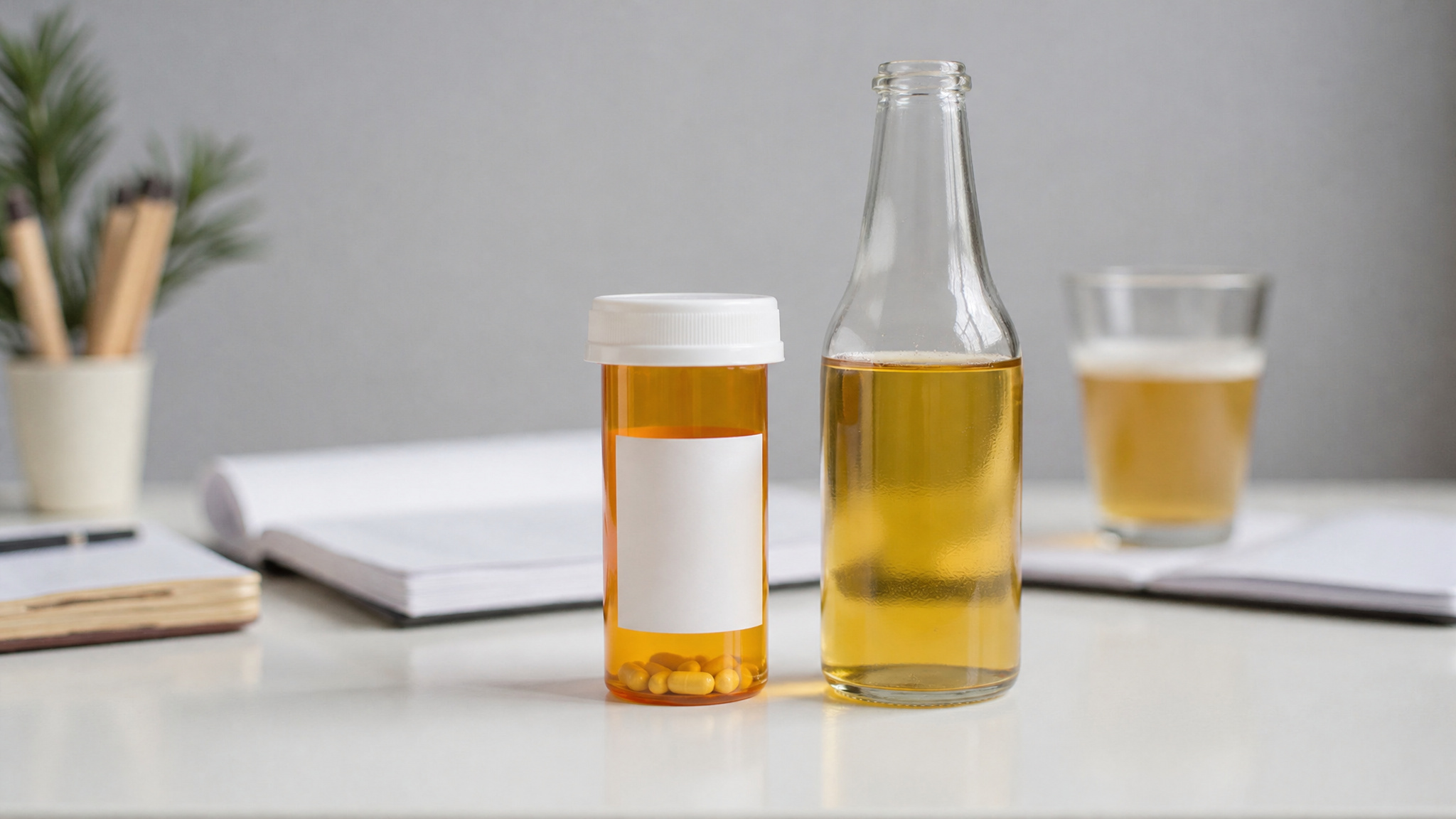
There is no safe waiting period after a daily dose. Escitalopram has a mean half-life of about 27 to 32 hours. When you take it every day, the drug stays at a steady level in your blood around the clock.
Older adults clear escitalopram even more slowly. Timing a drink a few hours after your pill doesn’t change the interaction.
Why Skipping a Dose Backfires
Skipping Lexapro before a night out doesn’t clear it from your body. It can trigger discontinuation symptoms such as dizziness, irritability, headache and trouble sleeping.
Missed doses can also let your depression or anxiety return. Keep taking Lexapro as prescribed, even on days you plan to drink. If drinking makes you want to adjust your medication, tell your prescriber.
Who Should Avoid Alcohol on Lexapro
For some people, even light drinking on Lexapro carries more risk. Skip alcohol completely if any of these apply to you:
- You have a history of alcohol use disorder or binge drinking.
- You are 18 to 24, an age group with a higher risk of suicidal thoughts when starting an antidepressant.
- You take other sedating drugs, such as benzodiazepines, sleep aids or opioids.
- You are an older adult, since your body clears escitalopram more slowly.
- You are in your first few weeks on Lexapro or just changed your dose.
- You need to drive, care for children or operate machinery.
If you have thoughts of suicide or self-harm, call or text 988 right away. Alcohol lowers inhibitions, which can make those thoughts harder to resist.
Signs Drinking Is Affecting Your Depression Treatment
Depression and drinking often show up together. People with alcohol use disorder are about 2.3 times as likely to have major depressive disorder in a given year. Watch for these signs:
- You drink to cope with sadness, stress or anxiety.
- You have skipped Lexapro doses so you could drink.
- Your mood drops the day after drinking.
- You have tried to cut back but keep drinking more than you planned.
- Your dose has gone up with little change in how you feel.
These signs can point to co-occurring disorders, where depression and alcohol use feed each other. Treating only one of them rarely lasts. Dual diagnosis treatment addresses both at the same time.
Conclusion
Mixing Lexapro and alcohol is not advised, even though a single drink is rarely dangerous. Alcohol adds to drowsiness and dizziness. It also works against the mood benefits you take Lexapro for.
The safest plan is to avoid alcohol during treatment, never skip doses to drink, and talk openly with your prescriber about how much you drink. If drinking keeps getting in the way, it may be time for care that treats both conditions together.
Get Help for Depression and Drinking at Lotus Recovery
If alcohol keeps getting in the way of your depression treatment, you don’t have to sort it out alone. Lotus Recovery Treatment Center offers outpatient mental health treatment in Thousand Oaks for people living with both depression and alcohol use. Our outpatient alcohol rehab also serves clients whose drinking makes depression harder to treat.
Our psychiatry team provides medication management alongside therapy. You can join our outpatient depression treatment program with day or evening sessions, so you can keep up with work or school. Most insurance is accepted, and same day appointments are available.
Call (805) 856-6690 today or verify your insurance to get started.
Frequently Asked Questions
Can you drink moderately while taking Lexapro?
Some people drink moderately on Lexapro with their prescriber’s approval, but the FDA label advises against it during treatment for depression. Even moderate drinking can increase drowsiness. It can also make depression harder to treat. Ask your prescriber before you drink, especially in your first weeks on the medication.
Should I skip my Lexapro if I plan on drinking?
No. Skipping Lexapro does not remove it from your body, because escitalopram stays active for more than a day. Missed doses can cause dizziness, irritability, headaches and sleep problems. They can also let depression symptoms return. Take your dose as usual, then limit or avoid alcohol.
Does Lexapro make you sensitive to alcohol?
Lexapro did not increase alcohol’s effects on thinking or coordination in a clinical trial. Many people still feel more drowsy or dizzy when they drink on it, because both cause these side effects. Start with no alcohol, then talk to your prescriber about what is safe for you.
What antidepressants can you drink on?
No antidepressant is fully safe to mix with alcohol. Each one carries some risk of added side effects or worse mood. Some older antidepressants called MAOIs can cause a dangerous rise in blood pressure with certain alcoholic drinks. Your prescriber can explain the risks of your specific medication.
Does Lexapro help with alcohol cravings?
Lexapro is not approved to treat alcohol use disorder or reduce cravings. Treating depression can make it easier to cut back, though. Medications built for alcohol use disorder, such as Vivitrol (naltrexone), work better for cravings. Lotus offers medication-assisted treatment with Vivitrol as part of outpatient care.