How long does Suboxone stay in your system? Usually about 5 to 10 days after your last dose. Buprenorphine, the main ingredient, has a half-life of 24 to 42 hours, so it takes several days for your body to clear it. A standard urine test can detect buprenorphine for up to 7 days. Saliva tests usually pick it up for about 2 days.
Key Takeaways
- Buprenorphine has a mean half-life of 24 to 42 hours, while naloxone clears in 2 to 12 hours.
- Urine tests can detect buprenorphine or its metabolite for up to 7 days.
- Saliva tests detect buprenorphine for about 48 hours.
- Your dose, how long you’ve taken it and your liver health all change how fast you clear it.
- Suboxone does not show up on a standard opioid panel, so it needs a specific test.
- Switching to Vivitrol requires a waiting period, which can be up to two weeks after buprenorphine.
How Long Does Suboxone Stay in Your System?
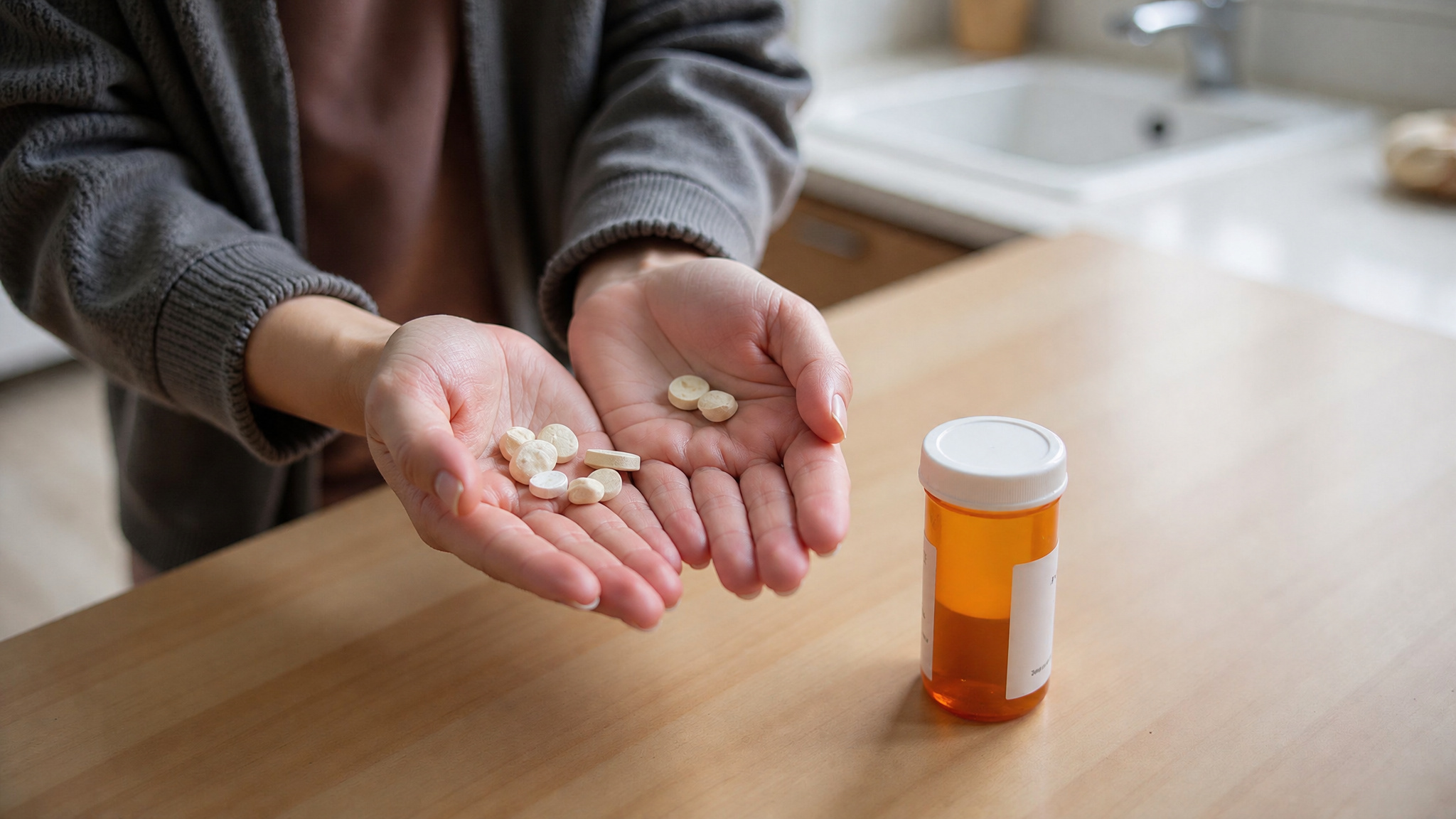
Suboxone contains two medications. Buprenorphine eases cravings and withdrawal. Naloxone is added to discourage misuse by injection. Each one leaves your body at a different speed.
According to the Suboxone prescribing information, buprenorphine has a mean elimination half-life of 24 to 42 hours. Naloxone clears much faster, with a half-life of 2 to 12 hours.
A drug usually takes about five half-lives to leave your body almost completely. For buprenorphine, that works out to roughly 5 to 9 days. People who have taken Suboxone daily for months may take longer, since the drug builds up in body tissue over time.
Suboxone Detection Times by Test Type
How long Suboxone shows up depends on the kind of test. Labs usually look for buprenorphine and its main breakdown product, norbuprenorphine.
| Test type | Typical detection window |
|---|---|
| Urine | Up to 7 days |
| Saliva (oral fluid) | Up to 48 hours |
| Naloxone in urine | Up to 3 days, and may not show up at all |
Mayo Clinic Laboratories states that buprenorphine or norbuprenorphine in urine points to use within the past 7 days. The saliva window comes from Aegis Sciences, a clinical toxicology lab. Blood and hair tests are rarely used to monitor Suboxone in treatment programs.
Does Suboxone Show Up on a Standard Drug Test?
Usually not. Basic opiate panels look for drugs like morphine and codeine. Buprenorphine has a different structure, so it needs its own test. Most treatment programs order a buprenorphine test to confirm you’re taking your medication as prescribed.
Labs also compare buprenorphine with norbuprenorphine. Your body makes norbuprenorphine when it breaks down the drug. If the ratio looks off, it can suggest the sample was tampered with.
What Affects How Long Suboxone Stays in Your Body
Two people on the same dose can clear Suboxone at different speeds. These factors make the biggest difference.
Dose and Length of Use
Higher doses take longer to clear. So does long-term daily use, since buprenorphine collects in fatty tissue and releases slowly.
Liver Function
Your liver breaks down buprenorphine, mostly through an enzyme called CYP3A4. Liver disease slows that process. Some medications that block CYP3A4 can also raise buprenorphine levels.
Age and Body Composition
Metabolism slows with age. Body fat also matters, since buprenorphine is stored in fat and leaves it gradually.
How Long Do Suboxone’s Effects Last?

Being detectable and feeling the effects are not the same thing. A single daily dose controls cravings and withdrawal for about 24 hours for most people. That long action is why Suboxone is usually taken once a day.
If you stop taking it, withdrawal symptoms can start within a day or two. MedlinePlus lists symptoms such as restlessness, sweating, chills, muscle aches, vomiting and diarrhea. Never stop Suboxone suddenly on your own. Your prescriber can taper your dose slowly to keep you comfortable.
Switching From Suboxone to Vivitrol
Some people move from Suboxone to Vivitrol, a monthly naltrexone shot that blocks opioids. Timing matters here. Vivitrol can trigger sudden, severe withdrawal if buprenorphine is still in your system.
The Vivitrol label calls for at least 7 to 10 days without short-acting opioids. People coming off buprenorphine may be at risk of precipitated withdrawal for up to two weeks. Your care team will guide that transition safely. Medication-assisted treatment works best when your prescriber plans each step with you.
Safety While Suboxone Is in Your System
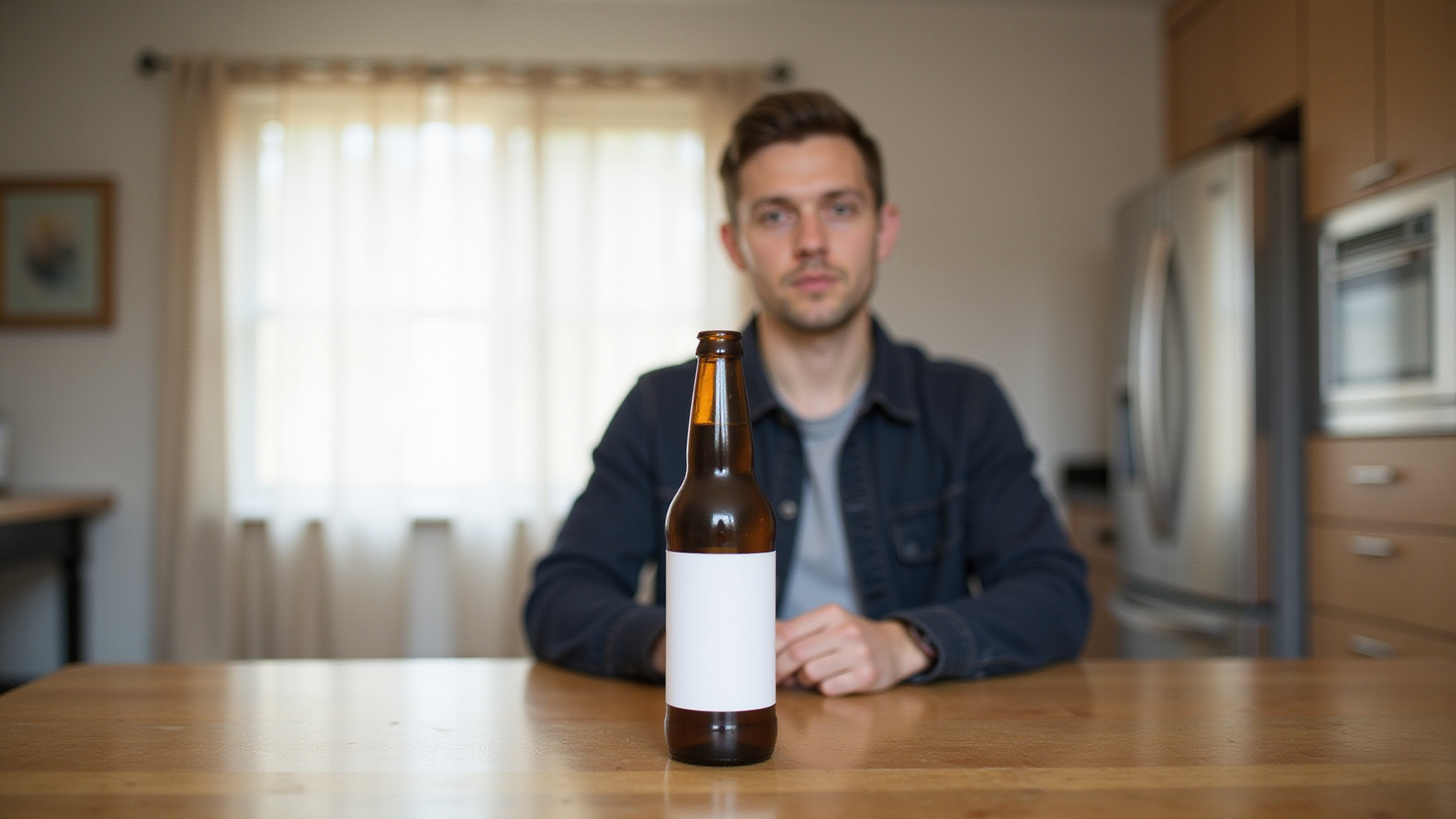
Buprenorphine is safer than many opioids, but it still slows breathing. That risk rises sharply when you mix it with other depressants.
- Avoid alcohol, which raises the risk of overdose and slowed breathing.
- Don’t take benzodiazepines or sleep aids unless your prescriber has approved them.
- Keep naloxone (Narcan) at home in case of an opioid overdose.
- Store your medication where children can’t reach it.
The Suboxone label warns that combining it with alcohol or other central nervous system depressants can cause respiratory depression or death.
Conclusion
So, how long does Suboxone stay in your system? About 5 to 10 days, with urine tests detecting it for up to a week. Dose, liver health and length of use all change that timeline.
If you’re thinking about stopping or switching medications, talk with your prescriber first. A planned taper or transition protects you from withdrawal and relapse.
Outpatient Suboxone Treatment at Lotus Recovery
Lotus Recovery Treatment Center provides Suboxone treatment as part of outpatient addiction care in Thousand Oaks. Your prescriber manages your dose, while counseling helps you build a stable recovery.
We also offer Vivitrol for people who want a monthly option. You can attend day or evening programs, so treatment fits around work and family. Our team can walk you through outpatient treatment options for opioid addiction before your first visit.
Most insurance is accepted, and same day appointments are available. Call (805) 856-6690 or verify your insurance today.
Frequently Asked Questions
How long is Suboxone detectable in your urine?
Buprenorphine and norbuprenorphine are usually detectable in urine for up to 7 days after the last dose. Long-term or high-dose use can stretch that window. Your result also depends on the test’s sensitivity and how quickly your body clears the drug.
What is the washout period for Suboxone?
The washout period is the time needed for buprenorphine to clear before starting a medication like Vivitrol. It is usually 7 to 14 days. Starting naltrexone too soon can cause sudden withdrawal, so your prescriber should time the switch.
How quickly does Suboxone wear off?
A daily Suboxone dose controls cravings and withdrawal for about 24 hours. After you stop, withdrawal symptoms may begin within 1 to 3 days. They are usually milder than withdrawal from short-acting opioids, but a slow taper is still the safest approach.
What is the 3 day Suboxone rule?
The 3 day rule is a federal policy for opioid withdrawal care. It lets certain clinicians, often in emergency departments, give a patient up to a 3-day supply of buprenorphine while longer-term treatment is arranged.
Can you drink alcohol while Suboxone is in your system?
No. Alcohol and buprenorphine both slow your breathing. Together, they raise the risk of overdose, even days after your last dose. Avoid alcohol until your prescriber confirms the medication has cleared.