Dual Diagnosis
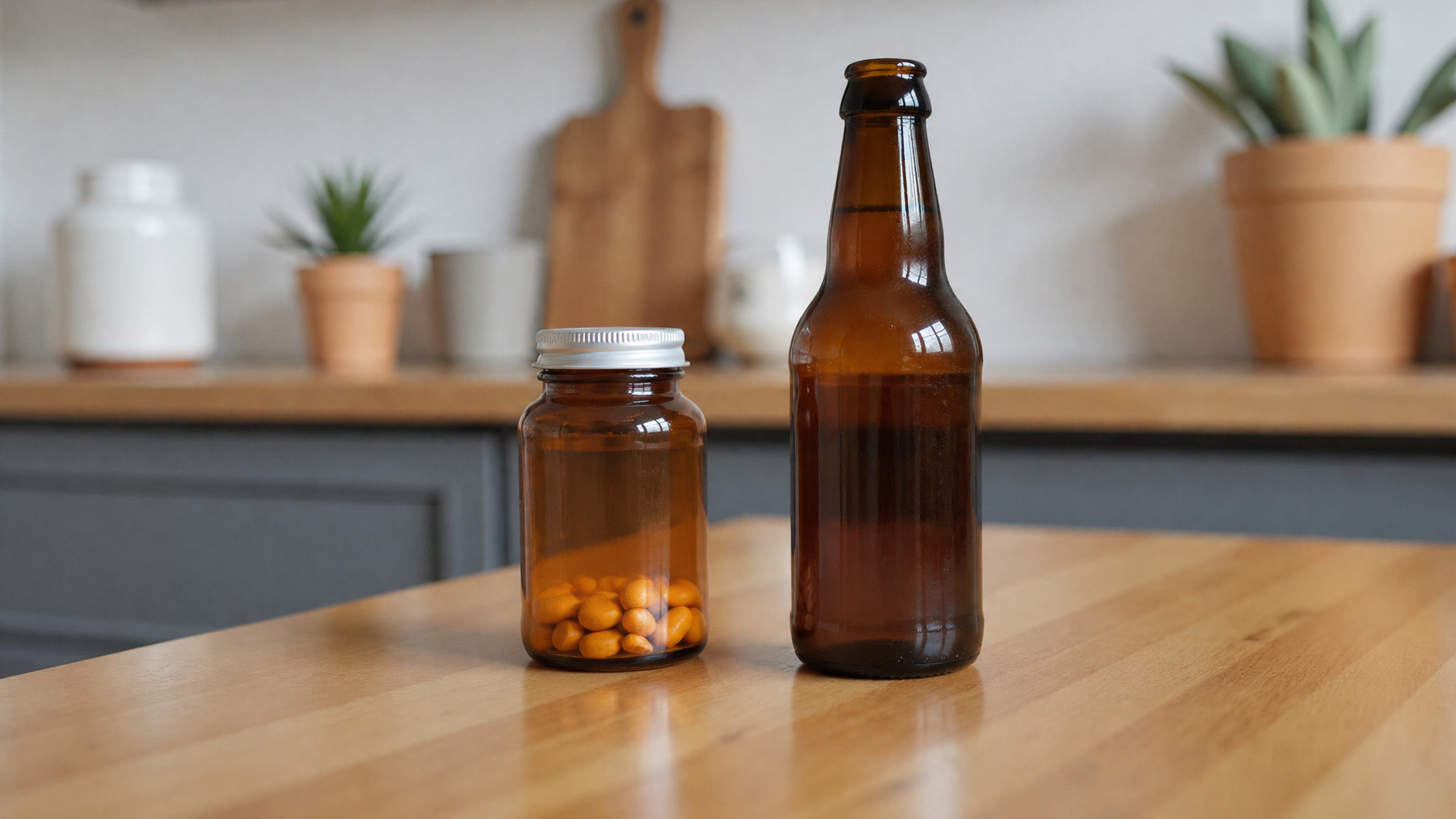
Lexapro and Alcohol: Is It Safe to Drink on Lexapro?
Mixing Lexapro and alcohol can worsen drowsiness and undercut your depression treatment. See the real risks, why skipping doses backfires and when to get help.

Mixing Lexapro and alcohol can worsen drowsiness and undercut your depression treatment. See the real risks, why skipping doses backfires and when to get help.

Mixing Zoloft and alcohol can worsen nausea, dizziness and anxiety. See what the sertraline label says, why skipping doses backfires and when to get help.

Wellbutrin and alcohol can raise your seizure risk, and quitting heavy drinking suddenly can too. See what the bupropion label says and when to get help.

Co-occurring disorder means living with addiction and a mental health condition. Learn why integrated care matters and what to ask your provider.

Integrated treatment for co-occurring disorders treats mental health and substance use together, linked to less substance use and fewer hospitalizations.

ADHD and substance use disorder: Learn why ADHD raises addiction risk two to three times and how integrated care treats both conditions together.

Drug-induced psychosis often eases once use stops, but symptoms can last months. Learn which factors affect how long it lasts.

Early relapse warning signs often appear weeks before use. Learn to spot them by stage so you can act sooner and protect your recovery.