
Evening and intensive outpatient sessions let Woodland Hills adults treat drug, alcohol, and mental health problems while keeping a job and living at home. The program runs from our Thousand Oaks center, west along US-101, and treats the addiction and the mental health beneath it together, with your insurance checked before you start.
Local Outpatient Rehab for Woodland Hills
Lotus provides outpatient rehab in Thousand Oaks and serves Woodland Hills from that center, about 30 minutes west on US-101, rather than from an office inside the neighborhood. For people in Woodland Hills, Warner Center, and the west San Fernando Valley, that puts structured treatment within a short, regular drive while keeping it in another city rather than around the corner from home or work. We treat local adults for drug and alcohol addiction and the mental health that often sits with it, and when someone needs a medically supervised detox first, we arrange one nearby and bring them into outpatient care once they are stable. The program is DHCS licensed (560078AP) and Joint Commission accredited.
Is Outpatient Rehab the Right Level for You?
Outpatient rehab fits when drinking or drug use has become a problem but home life is steady and you are not at the point of needing medical supervision overnight. Many of the people we see from Woodland Hills, Warner Center, and across the San Fernando Valley are holding down jobs, raising kids, or finishing school, and a month away in residential care is not something they can take on.
We treat adults 18 and older for addiction to alcohol, opioids, stimulants, cannabis, and more, and we treat the depression, anxiety, trauma, PTSD, and bipolar disorder that so often sit underneath it through our dual diagnosis program. People step into outpatient care after a detox or residential stay to protect that progress, or come straight in when weekly therapy has not been enough to hold steady. We also run a dedicated program for veterans and active-duty military, and for people who need a stable place to live during treatment we coordinate sober and supportive housing.
IOP and Evening Programs Built Around Your Commute
Intensive outpatient (IOP) and evening programs are the practical fit for most Woodland Hills adults, because a full day of partial hospitalization five days a week is a heavy commute to make daily. You get real clinical intensity without an all-day commitment or a residential bed.
| Level | What it looks like | Who it fits |
|---|---|---|
| Intensive outpatient (IOP) | Five days a week, three hours a day, morning or afternoon groups | Working or family-stable adults who still need strong structure |
| Evening program | Evening groups and therapy, roughly 6 to 9pm, three to five days a week | People who cannot attend during business hours |
| Outpatient (OP) | The lightest level, continuing therapy and relapse prevention | Step-down and longer-term maintenance |
The evening program lets you keep a full-time job and still get real clinical care rather than moving into a residential bed, which is what makes treatment realistic for working adults around Warner Center and the wider San Fernando Valley. If you need the most structured level, our partial hospitalization program is available at the Thousand Oaks center too. Sessions run in person or, for some services, by telehealth when a drive is not practical. Your clinical team sets which level fits at the intake assessment, adjusts it as your week changes, and steps you down as you stabilize.
Addiction and the Mental Health Beneath It
Drinking and drug use rarely travel alone, so we treat the mental health underneath at the same time rather than sending you between providers. Depression, anxiety, trauma, PTSD, bipolar disorder, and ADHD are treated alongside the substance use through our dual diagnosis care, with your therapist and our psychiatric team working from one coordinated plan. Treating the addiction alone tends to leave the door open for it to return, so the two are handled together from the first assessment.
How Treatment Works, From Therapy to Medication
Our outpatient care draws on cognitive behavioral therapy (CBT), dialectical behavior therapy (DBT), EMDR for trauma, and group, family, and individual therapy, paired with psychiatry and medication management. For opioid and alcohol use disorders, medication-assisted treatment uses FDA-approved medications, Suboxone and Vivitrol, alongside counseling; we do not use methadone. Which of these make up your plan is decided at your assessment and adjusted as you progress.
How Insurance Covers Outpatient Care
Most commercial insurance covers intensive outpatient and outpatient treatment, usually with prior authorization, so coverage is the first thing to sort out. We verify your specific benefits before treatment begins and tell you in plain terms what your plan includes.
Lotus Recovery works with most major insurers, in-network and out-of-network, including Blue Cross Blue Shield, Aetna, UnitedHealthcare, Optum, Blue Shield of California, Kaiser Permanente, GEHA, UMR, and Anthem. Because every plan reads differently, we check your coverage up front and start the verification by phone or through our online form.
The Psychiatrist Who Reviews Our Care
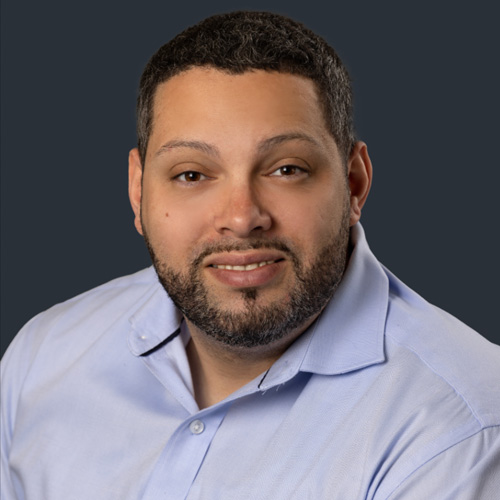
Medically reviewed by Codie Vassar, MD, MS
Board-Certified Adult Psychiatrist · Medical Director, Lotus Recovery Treatment Center
This page is reviewed by Dr. Codie Vassar, a board-certified adult psychiatrist and Medical Director at Lotus Recovery Treatment Center whose work covers outpatient psychiatry, psychiatric crisis care, and addiction medicine. Dr. Vassar completed a medical degree and psychiatry residency at the Medical College of Wisconsin and holds a master's in Clinical Informatics from the University of Wisconsin–Madison, is a member of the American Society of Addiction Medicine, served 15 years in the Wisconsin Army National Guard Medical Corps, and is a native Spanish speaker. Connect with Dr. Vassar on LinkedIn.
Areas We Serve Near Woodland Hills
From our Thousand Oaks center we treat adults across Woodland Hills and the surrounding west San Fernando Valley, including Warner Center, Tarzana, Canoga Park, West Hills, and Calabasas. Online sessions extend that reach deeper into Los Angeles County for the days a commute will not fit, and because care is outpatient you come in for a session and head home the same day.
The center is about 30 minutes west of Woodland Hills on US-101 South. From Warner Center, Tarzana, Canoga Park, or West Hills you take the 101 and exit in central Thousand Oaks. Since intensive outpatient and evening sessions meet a few times a week rather than all day, that drive stays manageable around a job or school. Use the map for turn-by-turn directions from wherever you are starting.
Los Angeles County recorded 2,438 drug-related overdose deaths in 2024, down 22 percent from 3,137 the year before, according to the Los Angeles County Department of Public Health, and reaching care close to home is part of how that progress holds.
Questions Woodland Hills Families Ask
Is It Expensive to Go to Rehab?
Most outpatient rehab is covered by commercial insurance, so it is rarely the barrier people expect. We verify your specific benefits before you begin and explain in plain terms what your plan includes. Because treatment is outpatient, you keep living and working at home instead of stepping away into a residential stay.
Who Goes to Outpatient Rehab?
Outpatient rehab is for adults whose drinking or drug use has become a problem but who have steady home lives and do not need medical supervision overnight. Many are working professionals, parents, and students across Woodland Hills and the San Fernando Valley, and many also carry depression, anxiety, or trauma that we treat at the same time through dual diagnosis care.
Is Rehab Worth the Money?
For most people, yes. Untreated addiction takes a steady toll on health, work, and relationships, while outpatient treatment is covered by most insurance plans. Because sessions run during the day or in the evening around your schedule, you get real clinical care without leaving your job or family behind.
Will Insurance Pay for Outpatient Rehab Near Woodland Hills?
Usually. Most commercial plans cover intensive outpatient and outpatient treatment, often with prior authorization. We work with most major insurers, including Aetna, Blue Shield of California, Kaiser Permanente, and UnitedHealthcare, and verify your specific benefits before you start.
Can I Keep Working During Outpatient Rehab?
Yes. Our intensive outpatient program runs three hours a day with morning or afternoon options, and the evening program meets after the workday, so you can keep a job or care for family while in treatment. We set your schedule around those commitments at the intake assessment.
Do You Serve Woodland Hills From Thousand Oaks?
Yes. We serve Woodland Hills, Warner Center, and the wider San Fernando Valley from our Thousand Oaks center, and many clients drive in a few times a week. Telehealth is available for some services when a drive is not practical.
Get Started From Woodland Hills
One call starts it. Tell us what is going on, we check your insurance, and we map out the level of care that fits your schedule. Our admissions line is answered 24 hours a day.