Medication assisted treatment (MAT) uses FDA-approved medicines like methadone, buprenorphine, or naltrexone to ease your withdrawal and cravings. It’s more than a prescription. Your clinician assesses your opioid use, health, and goals to choose your medication, dose, and setting. Day by day, you’ll take steady doses while your care team tracks cravings, sleep, and side effects. Methadone and buprenorphine lower overdose death risk and help you stay in treatment. Here’s what each step looks like.
Key Takeaways
- Medication assisted treatment uses FDA-approved medicines to reduce opioid withdrawal and cravings, supporting remission and sustained recovery from opioid use disorder.
- Methadone, buprenorphine, and naltrexone work differently, and clinicians choose based on health, goals, and access to care.
- Day-to-day monitoring tracks cravings, withdrawal, sleep, medication effects, and other health needs, with counseling often complementing medication.
- Safety planning includes guidance on avoiding alcohol or sedatives and keeping naloxone available in case of overdose.
- Treatment can last months, years, or a lifetime, and any tapering should be gradual and monitored by a clinician.
What is medication assisted treatment
Medication assisted treatment (MAT) uses FDA-approved medicines to reduce withdrawal and cravings so you can focus on remission and sustained recovery. Opioid use disorder (OUD) is a chronic, treatable condition, so effective care often goes beyond willpower alone. You’ll work with a clinician who assesses your opioid use, withdrawal and craving patterns, health conditions, other medicines, and goals. You’ll choose among three options: methadone, a full agonist dispensed through certified programs; buprenorphine, a partial agonist with weaker opioid effects; or naltrexone, an antagonist given as an extended-release injection. Counseling and behavioral therapies can complement your medication, but medication still works if counseling isn’t available. Methadone and buprenorphine lower your overdose and death risk, yet fewer than 1 in 5 people with OUD receive medication.
Why medication assisted treatment is more than the medication
Medication assisted treatment is more than the medication because it works best within a care plan built around your whole health, even though the medication itself eases withdrawal and cravings. Your clinician starts by evaluating your opioid use, withdrawal and craving patterns, health conditions, other medicines, and personal goals. That assessment shapes which FDA-approved medication fits you, plus your dose, setting, and follow-up.
Day to day, your care team monitors cravings, withdrawal, sleep, medication effects, and other health needs, adjusting treatment as you respond. Counseling, behavioral therapies, and recovery support can complement medication and strengthen whole-person care. If counseling isn’t available, though, your medication still works and remains worth taking.
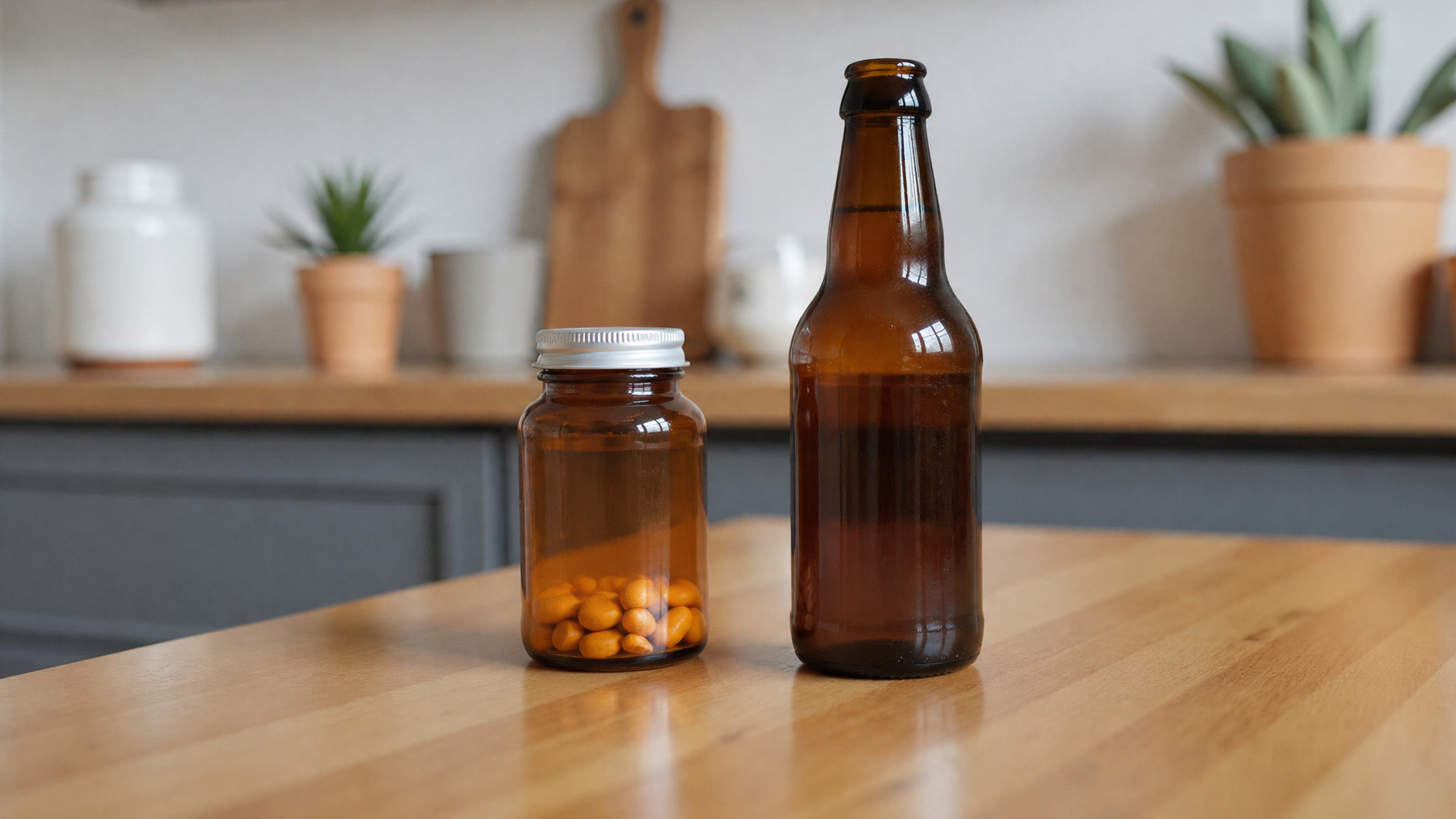
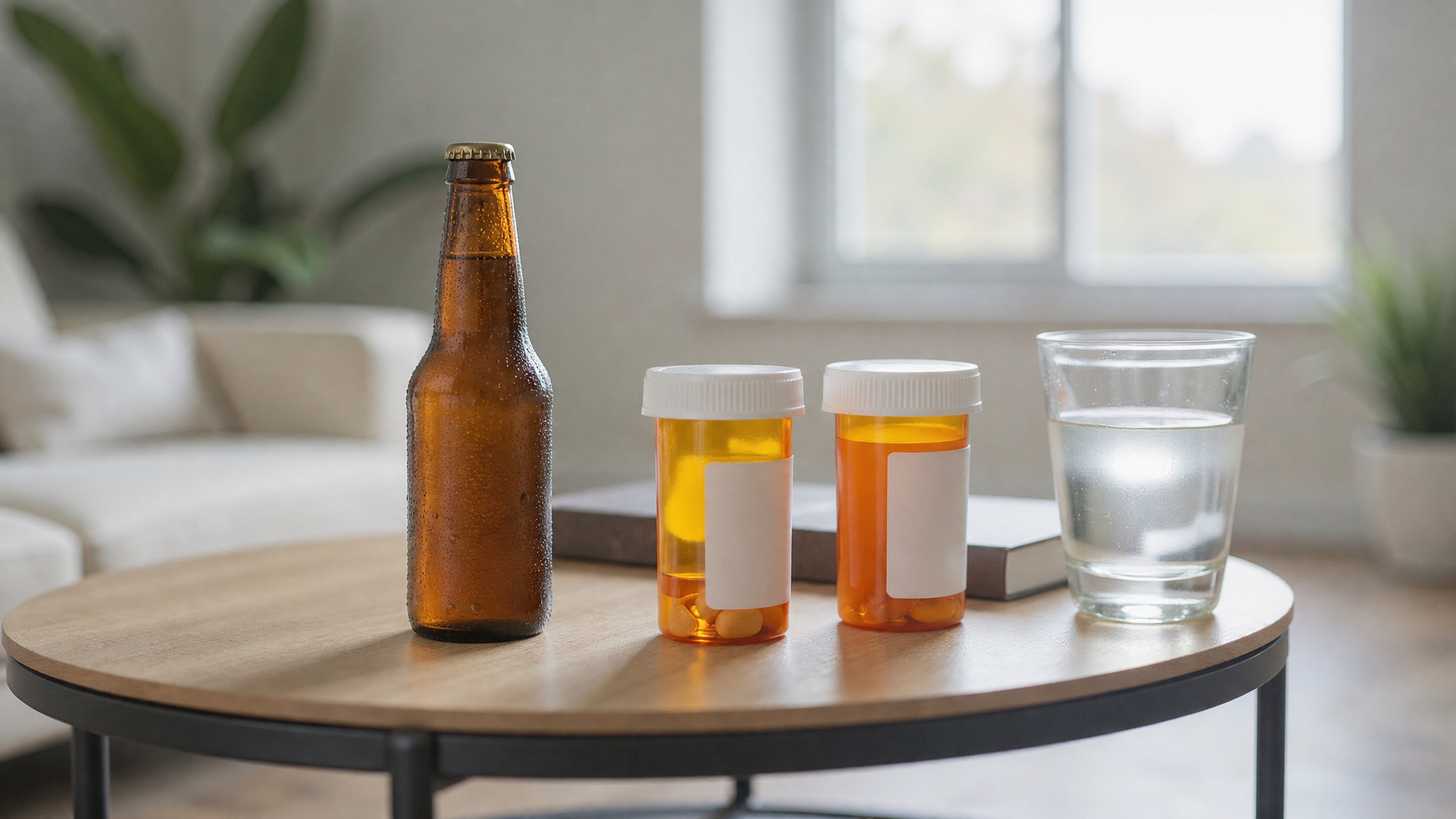
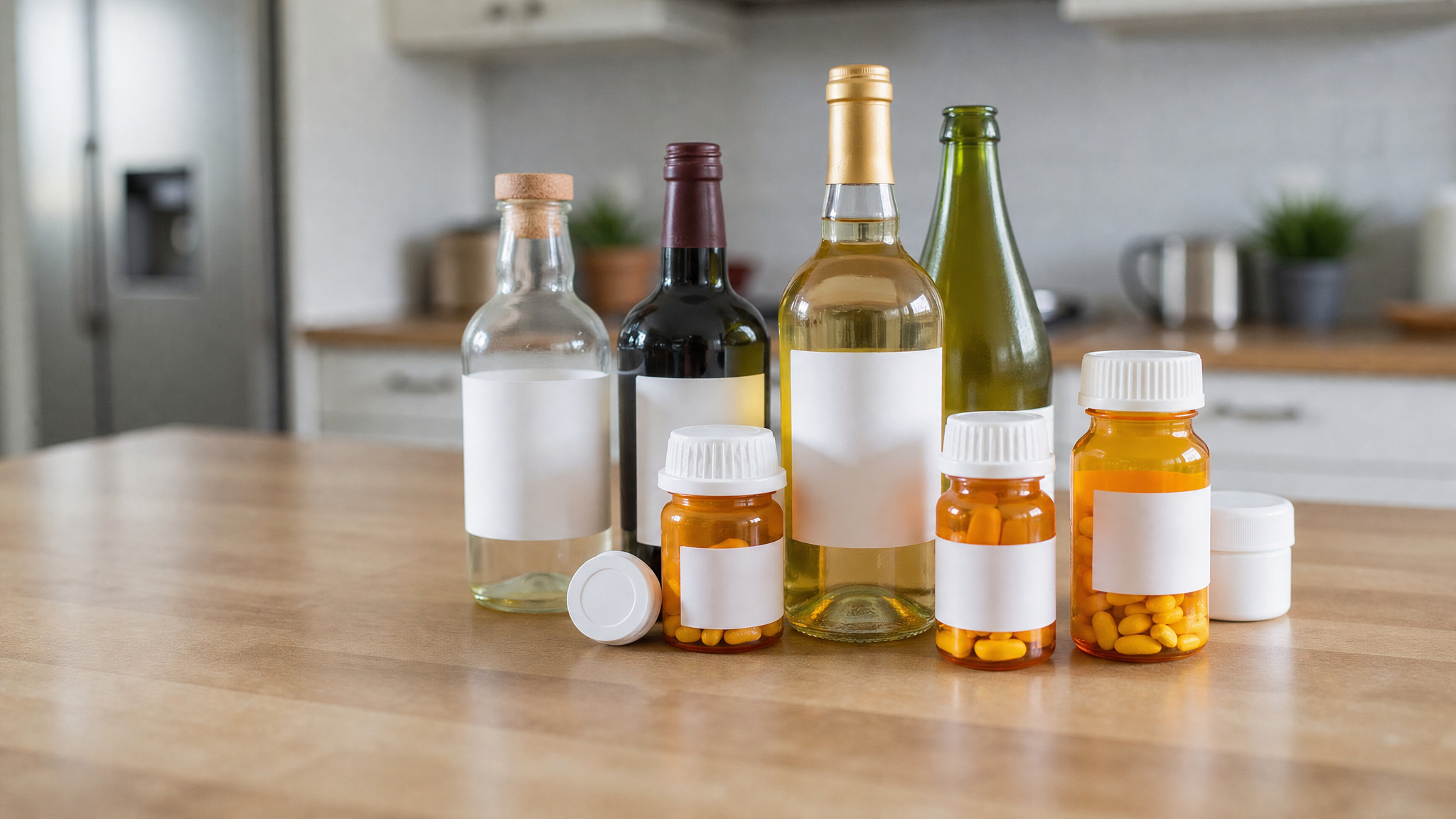
Safety planning matters too. You’ll learn which substances, such as alcohol or sedatives, can slow breathing, and why keeping naloxone within reach can save your life.
How the approved medications for opioid and alcohol use disorder differ
Methadone, buprenorphine, and naltrexone each act on your brain’s opioid receptors in a different way, though all three reduce illicit opioid use compared with no medication.
| Medication | How it works and where you get it |
|---|---|
| Methadone | Full agonist that eases withdrawal and cravings; dispensed through certified opioid treatment programs |
| Buprenorphine | Partial agonist with weaker opioid effects; prescribed by eligible clinicians in many settings |
| Naltrexone | Antagonist that blocks opioid effects; extended-release injection given by a health professional |
Methadone and buprenorphine can both keep you in treatment and lower your overdose risk. Naltrexone requires an opioid-free period first, while buprenorphine usually starts once early withdrawal appears. You don’t have to decide alone. Your clinician will weigh your health, goals, and access to help you choose the right fit.
What the evidence shows about overdose deaths and retention
Methadone and buprenorphine lower your risk of overdose and death compared with no medication treatment, and they help you stay in treatment. One study followed 137,000 Medicare beneficiaries who’d survived a nonfatal overdose. Those receiving methadone had 58% lower odds of dying from later overdose, and those receiving buprenorphine had 52% lower odds.
Both medications also help you use fewer opioids. In clinical trials, methadone, buprenorphine, and naltrexone each reduced illicit opioid use compared with no medication.
You can stay on these medicines for months, years, or a lifetime when it’s clinically appropriate. Stopping raises your risk of returning to opioid use, so plan changes with your clinician.
Why replacing one drug with another misreads how it works
Calling methadone or buprenorphine a replacement drug misreads how they work, because they treat a chronic medical condition the way insulin treats diabetes rather than swapping one addiction for another. Medication taken as prescribed works differently from illicit opioid use:
- You take a steady, clinician-set dose instead of chasing a high.
- Buprenorphine’s partial agonist effects are weaker than full agonists.
- Withdrawal and cravings ease, so you can focus on work, family, and your health.
- Follow-up visits let your clinician adjust your dose safely.
- Naltrexone blocks opioids and produces no opioid effect.
Physical dependence on a monitored medicine isn’t addiction. Addiction involves compulsive, harmful use, and treatment restores stability. That’s why you can use these medicines long term, even lifelong, when clinically appropriate, and why stopping should be carefully planned with your clinician.
How long people stay on it and whether you taper off
People stay on medication treatment for months, years, or for life, and there’s no fixed timeline for when, or whether, to taper off. FDA-approved medicines for opioid use disorder can be used long term when they’re clinically appropriate, so you don’t need to rush toward an end date.
Staying on medication isn’t a sign you’ve failed. Methadone and buprenorphine are linked to lower overdose and death risk than no medication, and that protection continues while you take them.
If you decide to stop, plan it with your clinician. Stopping can raise your risk of returning to opioid use, and lowered tolerance makes any return more dangerous. Your clinician can taper your dose gradually, watch for cravings and withdrawal, and adjust the pace. Keep naloxone on hand.
How to find a provider and what the first appointment involves
To find a provider, look for one that offers the medication that fits your needs, since that partly determines where you go. Methadone for OUD is available only through certified opioid treatment programs, eligible clinicians can prescribe buprenorphine in many settings, and naltrexone can be prescribed anywhere. Your first appointment is an evaluation, not a test you can fail. Expect your clinician to ask about:
Your first appointment is an evaluation, not a test you can fail. Choose a provider who offers the medication that fits your needs.
- How often you use opioids, which ones, and when you last used
- Your withdrawal symptoms and cravings
- Physical and mental health conditions
- Other medicines, alcohol, or sedatives you take
- Your goals for treatment and daily life
Answer honestly, because it shapes your medication, dose, setting, and follow-up plan. If you’re starting buprenorphine, you’ll usually wait 12–24 hours without opioids. Ask about keeping naloxone available too. It can reverse an overdose.
Conclusion
Day to day, medication assisted treatment is steady doses of methadone, buprenorphine, or naltrexone paired with a care team that tracks your cravings, sleep, and side effects and adjusts as you go. It isn’t swapping one drug for another; it treats a chronic condition the way insulin treats diabetes, and methadone and buprenorphine meaningfully lower your risk of overdose and death while keeping you in treatment. You can stay on it for months, years, or life, and any decision to taper is one to make gradually with your clinician.
Start Medication Assisted Treatment With a Team Beside You
If MAT feels like the right next step, you don’t have to figure it out alone. Lotus Recovery provides addiction recovery services in Thousand Oaks, with medical support and day-to-day monitoring built around your health and goals. Call (805) 856-6690 today and we’ll help you take the first step with a team beside you.
Frequently Asked Questions
What Should I Do if I Miss a Dose of My Medication?
Call your prescriber or opioid treatment program before taking anything extra, because the right step depends on your medication, dose, and timing. Don’t double up on your own. Extra methadone or buprenorphine can slow your breathing, especially with alcohol or sedatives. If cravings or withdrawal return, tell your care team so they can adjust your plan. Keep naloxone nearby. Missing a dose doesn’t mean you’ve failed, and your treatment still works.
Can I Drive or Work Safely While Taking Buprenorphine or Methadone?
You often can once you’re on a stable dose, but first you’ll need to learn how your medication affects you personally. Buprenorphine can cause dizziness, drowsiness, and fatigue, especially when you’re starting or changing doses. If you feel sleepy or unsteady, don’t drive or operate machinery. Never combine your medication with alcohol or sedatives, which can dangerously slow breathing. Talk with your clinician about whether your dose needs adjusting for work.
How Do I Travel With Take-Home Methadone or Buprenorphine Doses?
Plan your trip with your OTP or prescriber before you leave. Take-home methadone depends on your stability and program rules, so your clinic decides whether you’ll get extra doses or need guest dosing. Keep buprenorphine or methadone in its original labeled container, store it securely, and carry prescription details. Pack naloxone, avoid alcohol and sedatives, and don’t skip doses, since interruptions can raise your risk of returning to opioid use.
Is It Safe to Drink Alcohol or Take Sleep Aids During Treatment?
No, it isn’t safe to mix them without your clinician’s guidance. Alcohol, sedatives, and many sleep aids slow your breathing, and combining them with buprenorphine can cause overdose or death; methadone carries similar risks. Tell your care team about every medicine and supplement you take, including over-the-counter sleep aids. If you’re struggling with sleep, they can suggest safer options. Keep naloxone nearby and teach those around you to use it.
How Is Pain Managed During Surgery or Dental Work While on Treatment?
You’ll get the safest pain control when you tell your surgeon or dentist and your prescribing clinician about your treatment well before the procedure. Don’t stop or change your medication on your own, since unplanned discontinuation can raise your risk of returning to opioid use. Anesthesia and sedatives can slow breathing, so your clinicians should monitor you closely. Keep naloxone available, and ask how naltrexone affects opioid pain relief.