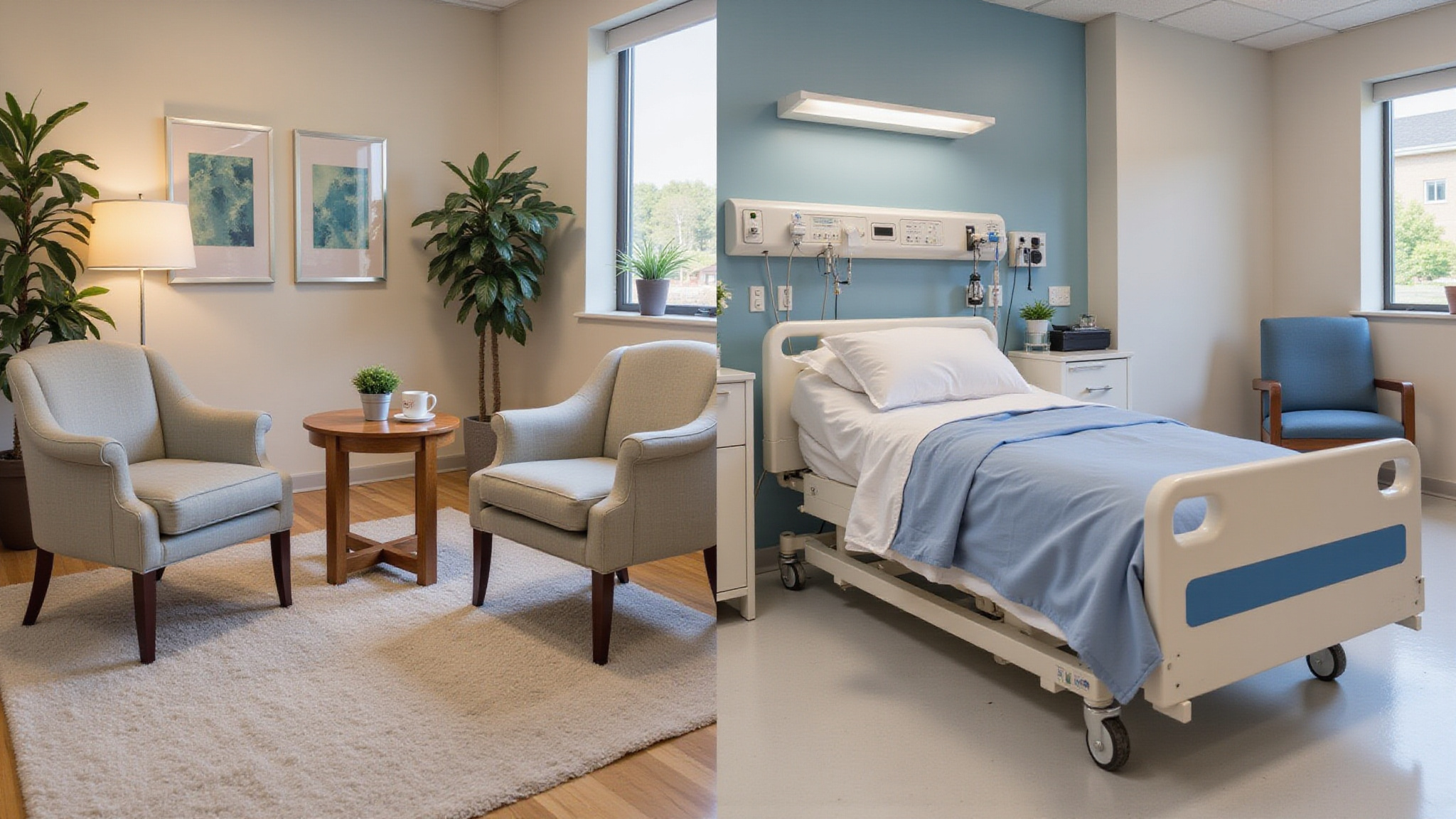
You can often start outpatient treatment for opioid addiction without detox or a residential stay. You’ll attend scheduled office or telehealth visits for medication, counseling, or both. Methadone comes through a certified opioid treatment program, while buprenorphine’s prescribed for home use. Naltrexone needs 7–10 opioid-free days first. Medication eases cravings and withdrawal, and counseling helps you manage triggers. Care can intensify or ease over time. Below, you’ll see how each path works and which fits you.
Key Takeaways
- Outpatient treatment uses scheduled office or telehealth visits for medication management, counseling, or both, starting with an initial clinical assessment.
- FDA-approved medications include methadone and buprenorphine, which ease withdrawal and cravings, and naltrexone, which requires 7–10 opioid-free days first.
- Methadone is dispensed through certified opioid treatment programs, while buprenorphine can be prescribed for home use in office-based care.
- Counseling and group sessions help identify triggers and build coping skills, complementing medication rather than replacing it.
- Care intensity ranges from standard to intensive outpatient, and patients can often start without detox or change settings without stopping medication.
What does outpatient treatment for opioid addiction involve

Outpatient treatment for opioid addiction involves scheduled office or telehealth visits for medication management, counseling, or both, while you keep your routine at home, work, and with family. A primary-care clinician or addiction specialist can provide your care.
You’ll start with an assessment that helps determine your medication, level of care, and other clinical needs. Buprenorphine can be prescribed for use at home. Methadone is dispensed through a certified opioid treatment program. Naltrexone requires at least 7–10 opioid-free days before you begin. Medication eases cravings and withdrawal and lowers your overdose risk.
Individual or group counseling can help you identify triggers. Regular follow-up supports reassessment, and your plan can shift to intensive outpatient or residential care as your needs change.
Which medications are used and how they differ
Methadone, buprenorphine, and naltrexone are the three FDA-approved medications for opioid use disorder, and they differ in how you get them, whether they relieve withdrawal, and when you can start them. Each can ease cravings, and your clinician will help you choose based on assessment, history, and goals.
| Medication | How You Get It |
|---|---|
| Methadone | Dispensed through a certified opioid treatment program |
| Buprenorphine | Prescribed for home use as tablets, cheek films, or extended-release injections |
| Naltrexone | Started after at least 7–10 opioid-free days |
Methadone and buprenorphine also prevent or reduce withdrawal symptoms. Buprenorphine needs planned initiation, but you can take it outside a clinic. You can’t start naltrexone early, because doing so can trigger precipitated withdrawal. Your treatment may last months or become long-term maintenance, and you can adjust it as your needs change. Pairing medication with counseling and regular follow-up often strengthens your recovery and safety.
How an opioid treatment program differs from office-based care

An opioid treatment program (OTP) and office-based care differ in structure, medication access, and the range of services you’ll receive, though both treat opioid use disorder. If you need methadone, you’ll generally get it through a certified OTP, which can also provide assessment and related services. OTPs often bundle substance-use counseling, individual and group therapy, toxicology testing, and periodic assessments, giving you structured, on-site support.
In office-based care, a primary-care clinician or addiction specialist can prescribe buprenorphine for use outside a clinic, as dissolving tablets, cheek films, or extended-release injections. You’ll attend scheduled office or telehealth visits for medication management and counseling.
Neither setting is permanent. You can move between them as your needs change, and both can include naloxone in your plan.
What counselling and group work add alongside medication
Counselling and group work address the thoughts, situations, and patterns that surround your opioid use, while medication eases cravings and withdrawal by helping normalize brain chemistry. In individual sessions, you’ll work with a counsellor to identify triggers and understand the reasons behind your use. Group sessions let you practise these skills alongside others facing similar challenges. You can attend either format in a doctor’s office or by telehealth.
If you’re enrolled in an opioid treatment program, you may also receive substance-use counselling, toxicology testing, and periodic assessments. Behavioural support complements medication but doesn’t replace it; medication remains a core evidence-based treatment. Your care team will tailor the mix of counselling and medication to your needs and adjust it during regular follow-up as things change.
How often you attend and how that changes over time

Your attendance schedule is set by the level of care your assessment points to, and it shifts as your needs change. Your clinician weighs your medication choice, clinical needs, and progress to set a schedule that fits.
- Standard outpatient care: You attend scheduled office or telehealth visits for medication management, counseling, or both.
- Intensive outpatient programs: You commit to multiple hours of treatment per week, often combining individual and group sessions.
- Opioid treatment programs: You visit a certified program to receive methadone, along with counseling and periodic assessments.
- Regular follow-up: You check in so your clinician can manage medication, reassess needs, and maintain continuity.
- Changing settings: You can step between outpatient, intensive outpatient, and residential services without stopping medication.
Treatment may last months or continue as long-term maintenance.
Whether outpatient care is enough without detox or residential first
Often, yes, you can start treatment as an outpatient without going through detox or a residential stay first. Withdrawal management alone is distinct from ongoing treatment, and it isn’t a required first step. Buprenorphine can be started in an outpatient office with careful clinical planning, and methadone treatment begins directly through a certified opioid treatment program. Both medications ease cravings and withdrawal symptoms as you stabilize. Naltrexone is different. You’ll need at least 7–10 opioid-free days before starting it, to avoid precipitated withdrawal.
An assessment helps determine your medication and level of care. If you need more structure, intensive outpatient or residential services can also accommodate medication treatment. Your setting can change as your needs change, so starting as an outpatient doesn’t lock you into one path.
How to find a provider and what to ask before starting
Find a provider through FindTreatment.gov or by calling SAMHSA’s National Helpline at 1-800-662-HELP for local referrals, then ask each provider the questions below. Primary-care clinicians, addiction specialists, and certified opioid treatment programs can all provide outpatient care.
Questions to ask:
- Which medications do you offer: buprenorphine, methadone, or naltrexone?
- How will you assess my medication needs and level of care?
- Do you provide individual or group counseling, in person or by telehealth?
- How often will follow-up visits occur, and what testing should I expect?
- Can you provide naloxone and overdose education?
Their answers show whether a provider offers evidence-based care that fits you. Your needs may change over time, so choose a provider who can adjust your treatment plan.
Conclusion
Outpatient treatment for opioid addiction lets you recover while keeping your life at home, through scheduled office or telehealth visits for medication, counseling, or both. Your path usually comes down to the medication that fits you, methadone, buprenorphine, or naltrexone, paired with counseling for triggers. You can often start without detox or a residential stay, and care can step up or down as your needs change.
Start Outpatient Opioid Treatment Close to Home
If outpatient care sounds like the right fit, you don’t have to navigate the options alone. Lotus Recovery offers addiction recovery services in Thousand Oaks that combine medication support and counseling around your work, home, and family. Call (805) 856-6690 today and we’ll help you find the path that fits your life.
Frequently Asked Questions
Should I Keep Naloxone at Home While Receiving Outpatient Opioid Treatment?
Yes, keeping naloxone at home is a smart safety step while you’re in outpatient treatment. Naloxone reverses opioid overdoses, and your care team can build overdose education and naloxone access into your treatment plan. Medication treatment lowers your overdose risk, but it doesn’t fully eliminate it. Ask your clinician how to get naloxone, show the people you live with where you keep it, and teach them how to use it.
Does Health Insurance or Medicaid Cover Medication for Opioid Use Disorder?
Coverage depends on your specific plan, so confirm your benefits directly with your insurer or state Medicaid office. Ask whether they cover methadone, buprenorphine, naltrexone, and counseling, and whether you’ll need prior authorization or an in-network provider. Medication is worth pursuing, since it lowers overdose risk and supports your recovery, so don’t let uncertainty about coverage stop you from asking.
Will My Employer or Family Find Out About My Treatment?
Usually not without your consent. Federal confidentiality rules, including 42 CFR Part 2, strictly protect substance-use treatment records. Programs generally can’t share them with your employer or family unless you agree in writing, with limited exceptions like emergencies. Still, insurance statements may reach a parent or spouse who’s the policyholder, and workplace drug tests can detect medications.
Is Medication for Opioid Use Disorder Safe During Pregnancy or Breastfeeding?
Yes, for most people. Clinical guidelines widely recommend methadone and buprenorphine during pregnancy, and experts generally encourage breastfeeding while you take them, though this overview doesn’t cover those details. Don’t stop medication abruptly; withdrawal can put you and your baby at greater risk. Talk today with your prenatal and addiction clinicians to tailor a safe plan together.
What Happens if I Relapse While in Outpatient Treatment?
A relapse doesn’t end your treatment; it signals your care plan may need adjusting. Tell your clinician so they can reassess you, review your medication, and consider adding counseling or moving you to intensive outpatient or residential care. Medication still lowers your overdose risk, so keep taking it as prescribed. Ask about naloxone, since your tolerance may have dropped. If you’re on naltrexone, you’ll need another opioid-free interval before restarting.