Outpatient Rehab
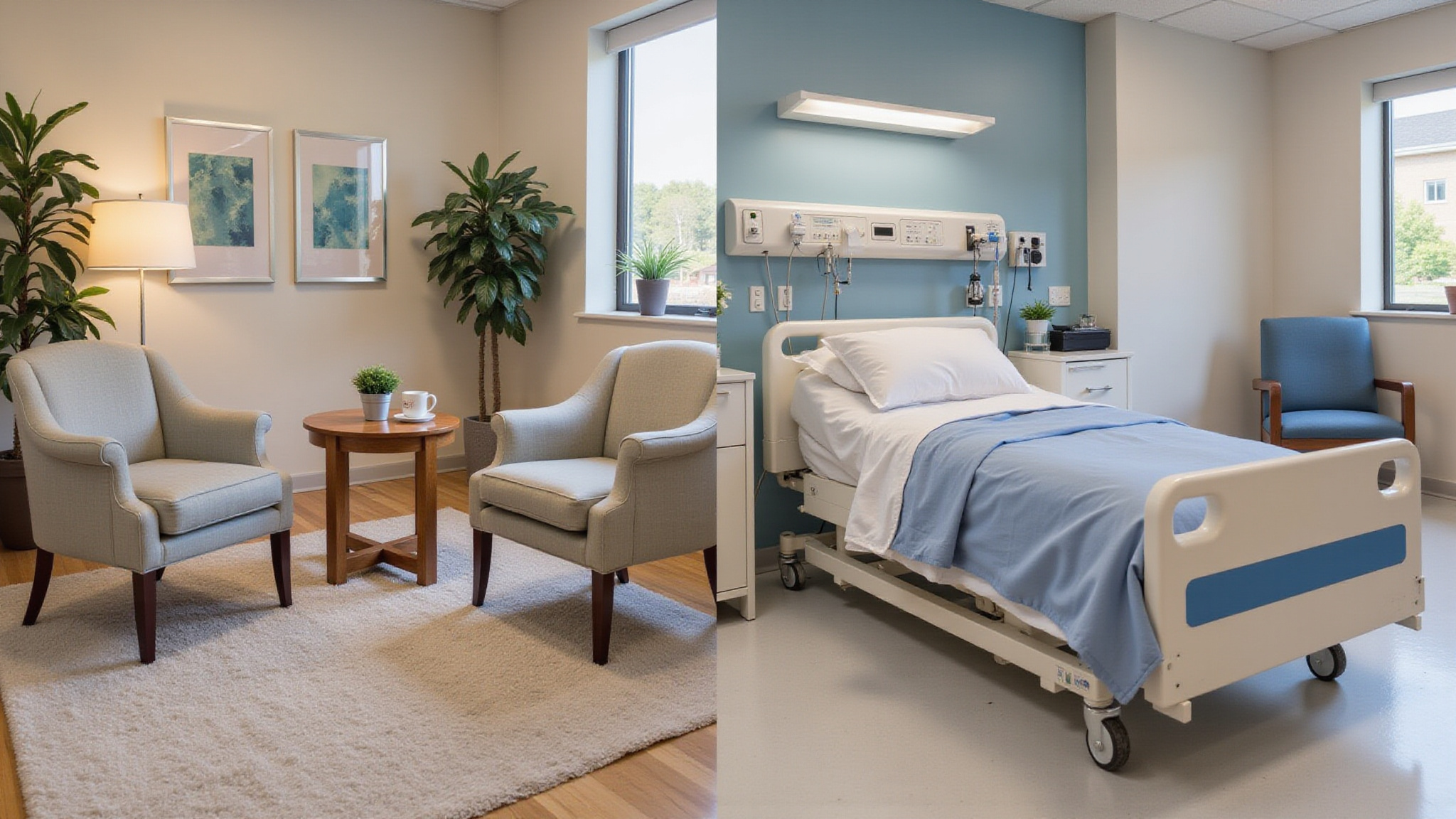
Differences Between Inpatient and Outpatient Mental Health Treatment
Inpatient vs outpatient mental health: learn how 24-hour care differs from scheduled visits and which level fits your clinical need and safety risk.

Inpatient vs outpatient mental health: learn how 24-hour care differs from scheduled visits and which level fits your clinical need and safety risk.

Outpatient therapy for depression: learn what treatment involves, from CBT and medication to session length, so you know what to expect.

Outpatient treatment for opioid addiction: compare methadone, buprenorphine, naltrexone, and counseling to find the path that fits your needs.

Co-occurring disorder means living with addiction and a mental health condition. Learn why integrated care matters and what to ask your provider.

Integrated treatment for co-occurring disorders treats mental health and substance use together, linked to less substance use and fewer hospitalizations.

ADHD and substance use disorder: Learn why ADHD raises addiction risk two to three times and how integrated care treats both conditions together.
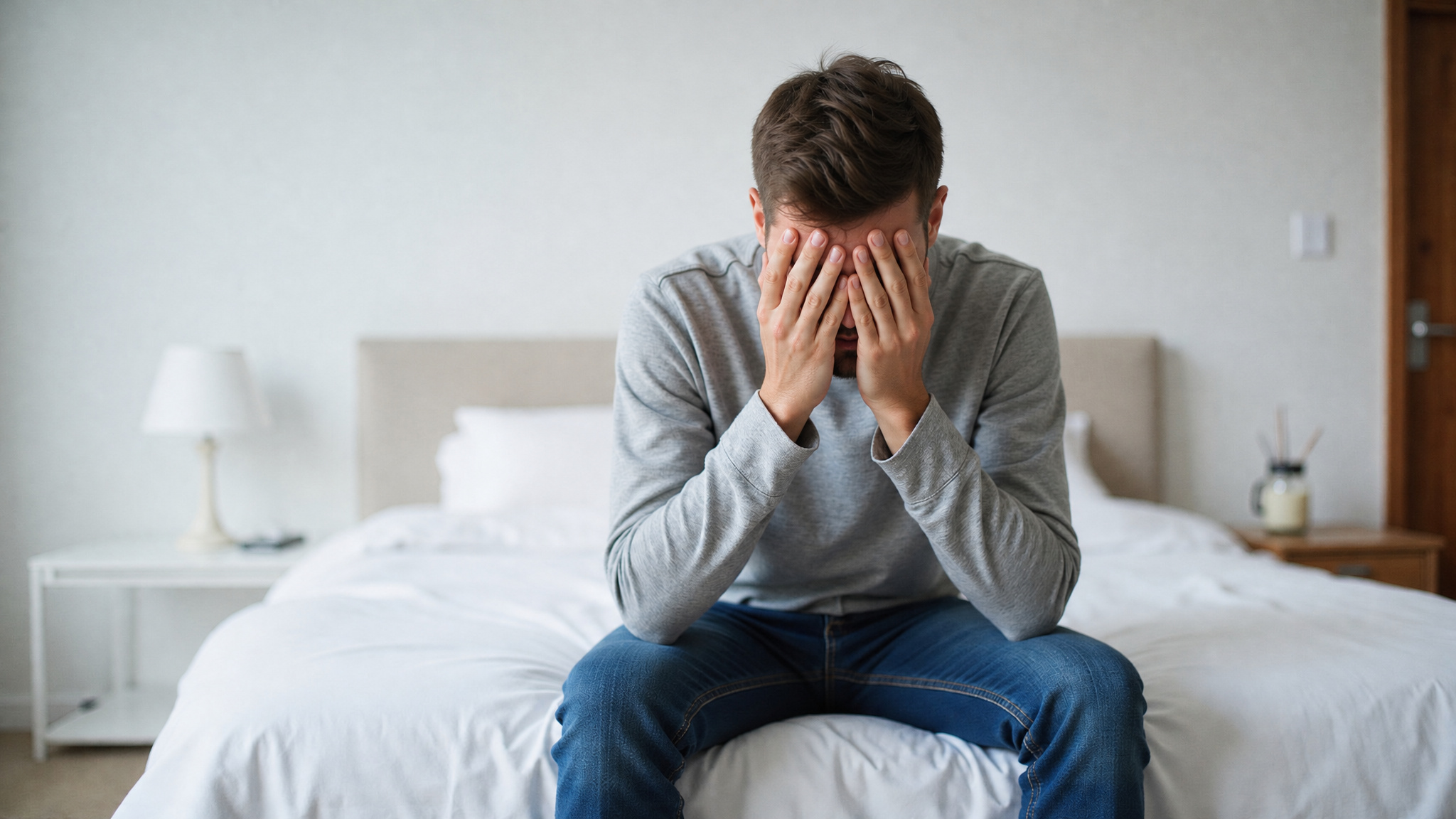
Drug-induced psychosis often eases once use stops, but symptoms can last months. Learn which factors affect how long it lasts.
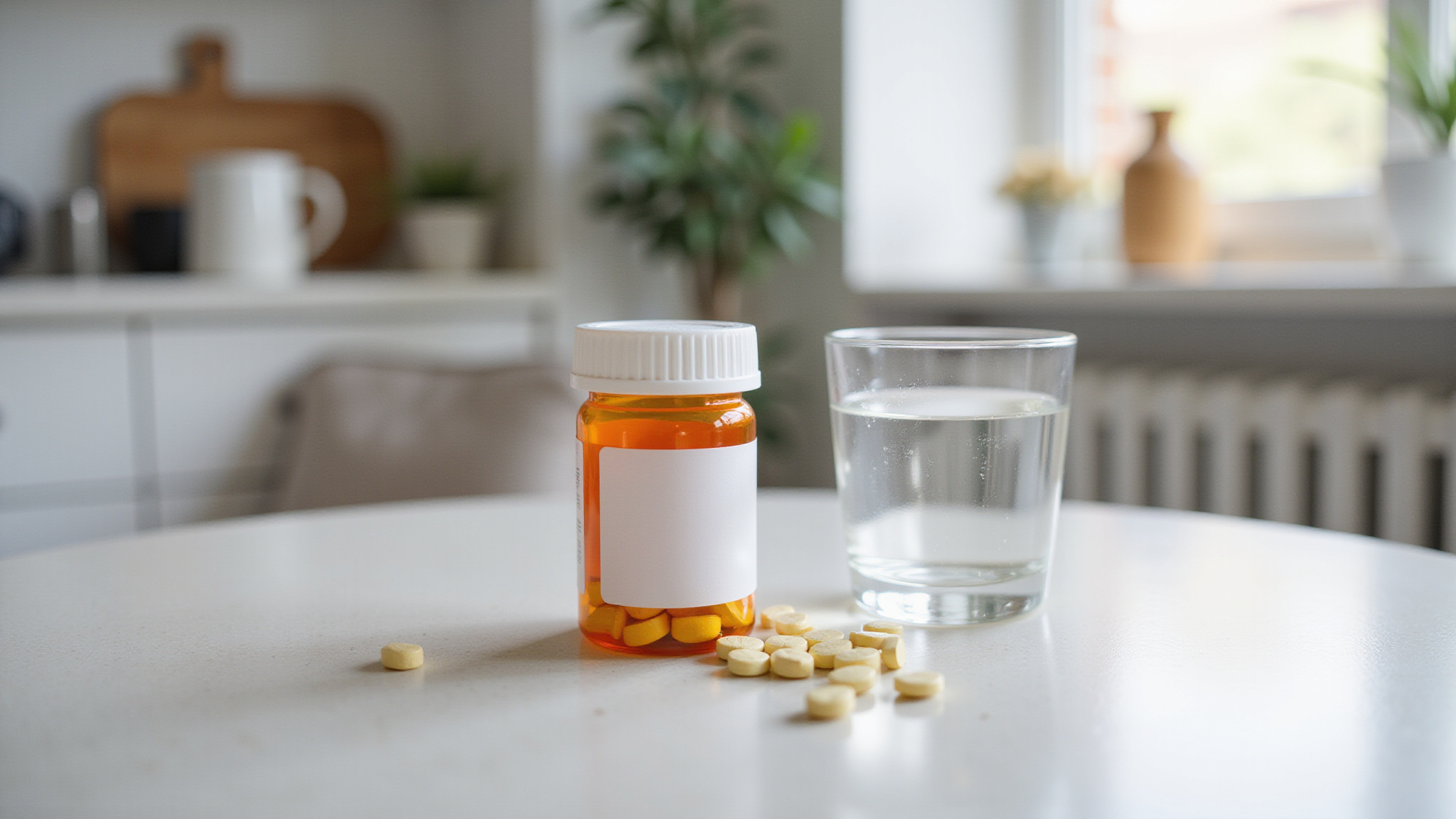
Medication assisted treatment uses FDA-approved methadone, buprenorphine, or naltrexone to ease withdrawal and cravings. See how MAT works day by day.
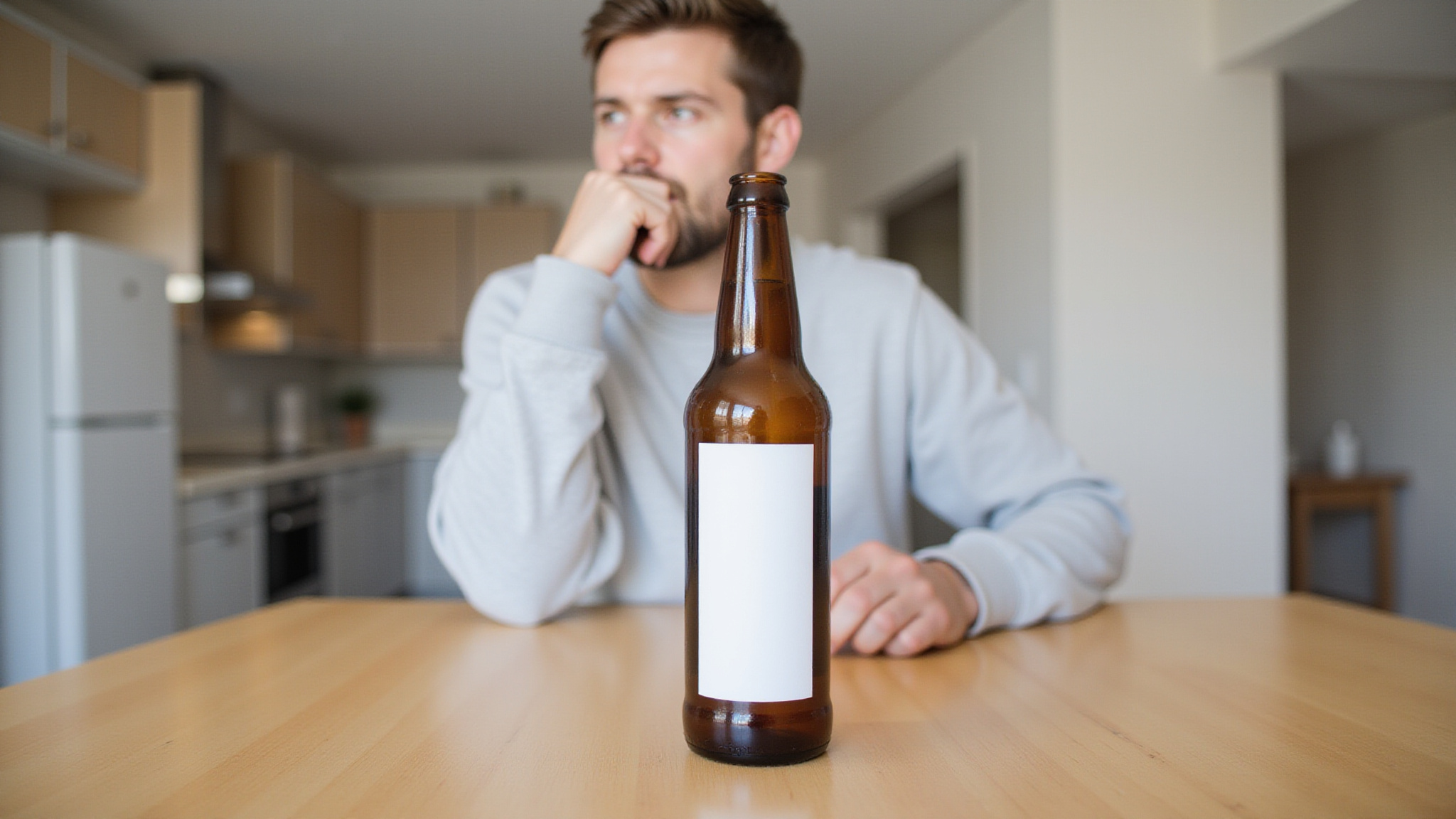
Early relapse warning signs often appear weeks before use. Learn to spot them by stage so you can act sooner and protect your recovery.
What to do after a relapse: check for overdose signs, use naloxone, avoid using alone, and reach support fast to stay safe in the first moments.