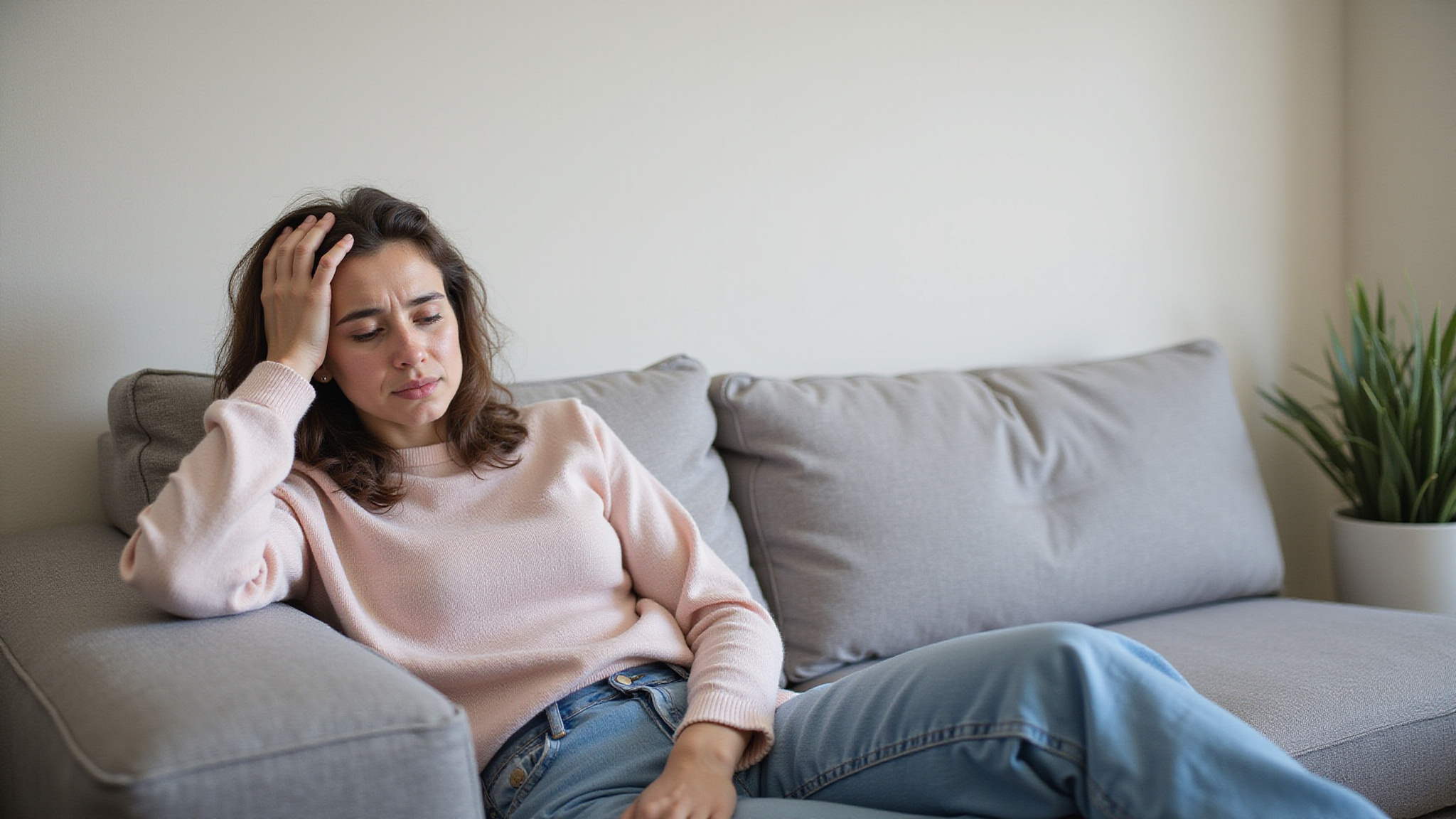
If you’ve just relapsed, put your safety ahead of blame. Check yourself and anyone with you for overdose signs: trouble waking, slow breathing, gurgling, or blue lips. Call 911 if you see them, and give naloxone if you have it. Don’t use again, and don’t use alone, since your tolerance has dropped. Then text a sponsor, provider, or 988 so someone’s with you. Next comes understanding why this happened and how to rebuild your plan.
Key Takeaways
- Check yourself and anyone nearby for overdose signs, call 911 immediately if they appear, and give naloxone if available.
- Stop using right away, including alcohol or sedatives, because tolerance drops after abstinence and a once-familiar dose can stop breathing.
- Never use alone, since no one else can call 911 or give naloxone during an overdose.
- Contact a sponsor, clinician, or treatment provider quickly, or call or text 988 for 24/7 crisis support.
- Replace shame with one concrete action, like texting a support person, then review triggers and rebuild your recovery plan.
What should you do after a relapse

Put your safety first, not blame. Check yourself and anyone with you for overdose signs: trouble waking, slow or shallow breathing, gurgling sounds, or blue lips or nails. If you see any, call 911 right away and give naloxone if you have it. It won’t hurt someone who hasn’t taken opioids. Then stop using for now, including alcohol or sedatives. Don’t stay alone; ask someone you trust to come over, help remove leftover substances, and keep you away from driving. Next, reach out. Tell your sponsor, counselor, or treatment provider what happened, or call or text 988 for 24/7 support. This moment doesn’t erase your progress. It’s a signal to adjust your care, and you can start today.
Why lost tolerance makes the first use the most dangerous
The first use after a break is the most dangerous because your body loses some of its tolerance when you stop using, even for a few days or weeks, so an amount you once handled can now slow or stop your breathing. This is why overdose risk spikes after a period of abstinence, especially with opioids. Your mind may remember your old dose, but your body doesn’t.
If you’ve already used, don’t take more, and avoid mixing in alcohol or sedatives. Don’t stay alone; ask someone you trust to be with you and keep naloxone nearby. Make sure they know the warning signs: slow or shallow breathing, gurgling sounds, blue lips, or not waking up. If any appear, they should call 911 and give naloxone right away. You deserve to stay safe.
Who to tell, and why telling someone fast changes the outcome

Tell a sponsor, recovery-support person, clinician, or treatment provider that you’ve used again, because the sooner they know, the sooner they can help you adjust your plan and get a prompt check-in. Having someone beside you protects you in the moment, and telling the right people also shapes what happens next. If saying it out loud feels hard, send a short text asking for company and help connecting to care. You can also call or text 988 anytime for crisis support. Telling someone isn’t a confession of failure. It’s how you turn a setback into a signal for stronger support. You don’t carry this alone.
Why shame after a relapse does more damage than the use itself
Shame after a relapse often causes more harm than the use itself because it pushes you away from the help that keeps you safe. Shame tells you to stay quiet, use alone, and wait until you’ve “fixed it” yourself. That silence is dangerous. Using alone means no one’s there to call 911 or give naloxone if you overdose.
A relapse isn’t proof that recovery is impossible. It’s a signal that your support and care need adjusting. Right now, push back against shame with one concrete step: text your sponsor, call your treatment provider, or reach out to 988. You don’t need perfect words. Saying “I used, and I need help” is enough to get support moving.
How to work out what actually happened

To work out what actually happened, take a clear, honest look at what led up to the relapse, focusing on your triggers, circumstances, and supports. Do this after you’re safe and someone knows what’s going on. You’re not hunting for blame; you’re gathering information that helps you and your care team adjust your plan.
| What to look at | Questions to ask | Why it matters |
|---|---|---|
| Triggers | What feelings, people, or places came first? | Shows what to plan around |
| Circumstances | What substance, how much, and after how long abstinent? | Flags overdose risk |
| Supports | Who did you skip calling, and why? | Reveals gaps to fill |
Write your answers while they’re fresh. Share them with a clinician, sponsor, or support person, and ask for a check-in. Treat what you learn as a signal to strengthen your support, not proof that recovery is impossible.
Whether you need to return to treatment or adjust what you have
Your clinician can help you decide whether to return to treatment or adjust your current plan, and your notes on triggers, circumstances, and supports give you both a starting point for that decision. Arrange a clinical assessment soon, especially if you used opioids, had a period of abstinence, or changed substances or amounts. Ask your clinician about medication treatment and other evidence-based options that fit your situation.
Restart the supports you already have as quickly as you can, whether that’s counseling, peer-support meetings, or outpatient services. Share any overdose, withdrawal, or safety concerns directly with your treatment team, and schedule follow-up care before you leave.
How to rebuild the plan so the same gap does not open again
Rebuild the plan by finding the gap it didn’t cover and closing it with your support team. Looking back at what led to the relapse isn’t about blame.
- Name the triggers. Write down the people, places, feelings, and circumstances surrounding the relapse, then talk them through with your clinician or support person.
- Strengthen your safety net. If opioids are involved, keep naloxone on hand, make sure trusted people know where it is and how to use it, and don’t use alone.
- Keep help within reach. Save emergency contacts, provider details, 988, and 1-800-662-HELP where you’ll see them.
Schedule follow-up care soon, and tell your treatment team about any overdose, withdrawal, or safety concerns. Each adjustment makes your recovery plan stronger.
Conclusion
In the first moments after a relapse, safety comes before blame. Check yourself and anyone with you for overdose signs, call 911 and use naloxone if you see them, and don’t use again or use alone, since your tolerance has dropped. Then tell someone right away, a sponsor, provider, or 988, so you’re not facing it alone. A relapse doesn’t erase your progress; it’s a signal to reach out and adjust your care.
Turn a Setback Into a Fresh Start
Once you’re safe, the next step is getting support back in place, and you don’t have to do it alone. Lotus Recovery offers addiction recovery services in Thousand Oaks that help you reconnect with care, rebuild your plan, and close the gap that led to the relapse. Call (805) 856-6690 today and we’ll help you take the next step forward.
Frequently Asked Questions
What Are the Warning Signs That Someone Is Overdosing After a Relapse?
Watch for these signs: you can’t wake them, they’ve lost consciousness, their breathing’s slow or shallow, you hear choking or gurgling sounds, or their lips or nails look blue or discolored. If you notice any of these, call 911 right away. Give naloxone if you have it. It won’t hurt them if opioids aren’t involved. Turn them on their side, keep them breathing, and stay with them until emergency help arrives.
Can Naloxone Cause Harm if the Person Did Not Take Opioids?
No, naloxone won’t harm someone if opioids aren’t involved, so don’t hesitate when you suspect an overdose. Call 911, then give naloxone. If their breathing doesn’t return to normal after 2–3 minutes, give another dose if you have one, following product directions. Keep them on their side and stay until help arrives. Since naloxone can wear off before some opioids do, keep watching their breathing. You’re doing right by acting.
How Long Should You Wait Before Giving a Second Naloxone Dose?
Wait 2–3 minutes after the first dose. If their breathing hasn’t returned to normal by then, give another dose if you have one, following the product directions. Make sure you’ve already called 911, keep them on their side, and stay with them until help arrives. Keep watching their breathing even after they respond, since naloxone can wear off before some opioids do. You’re doing the right thing by acting fast.
Will Calling 911 for an Overdose Lead to Legal Trouble?
It might not, but protections depend on where you are. Many places have Good Samaritan laws that can shield you when you call for help, though they vary by location. Don’t let legal worries delay you, because overdose is a medical emergency. Call 911 right away, give naloxone if you have it, and stay until help arrives. Later, you can ask about your local protections so you’re prepared next time.
Should You Call 988 or 911 During a Relapse Crisis?
Call 911 if you or someone else shows overdose signs: can’t wake up, slow or shallow breathing, gurgling sounds, or blue lips or nails. Give naloxone if you have it and stay until help arrives. If there’s no medical emergency but you’re struggling, call or text 988 for compassionate crisis support, and they’ll connect you with care. A relapse doesn’t erase your progress; reaching out is a strong next step.