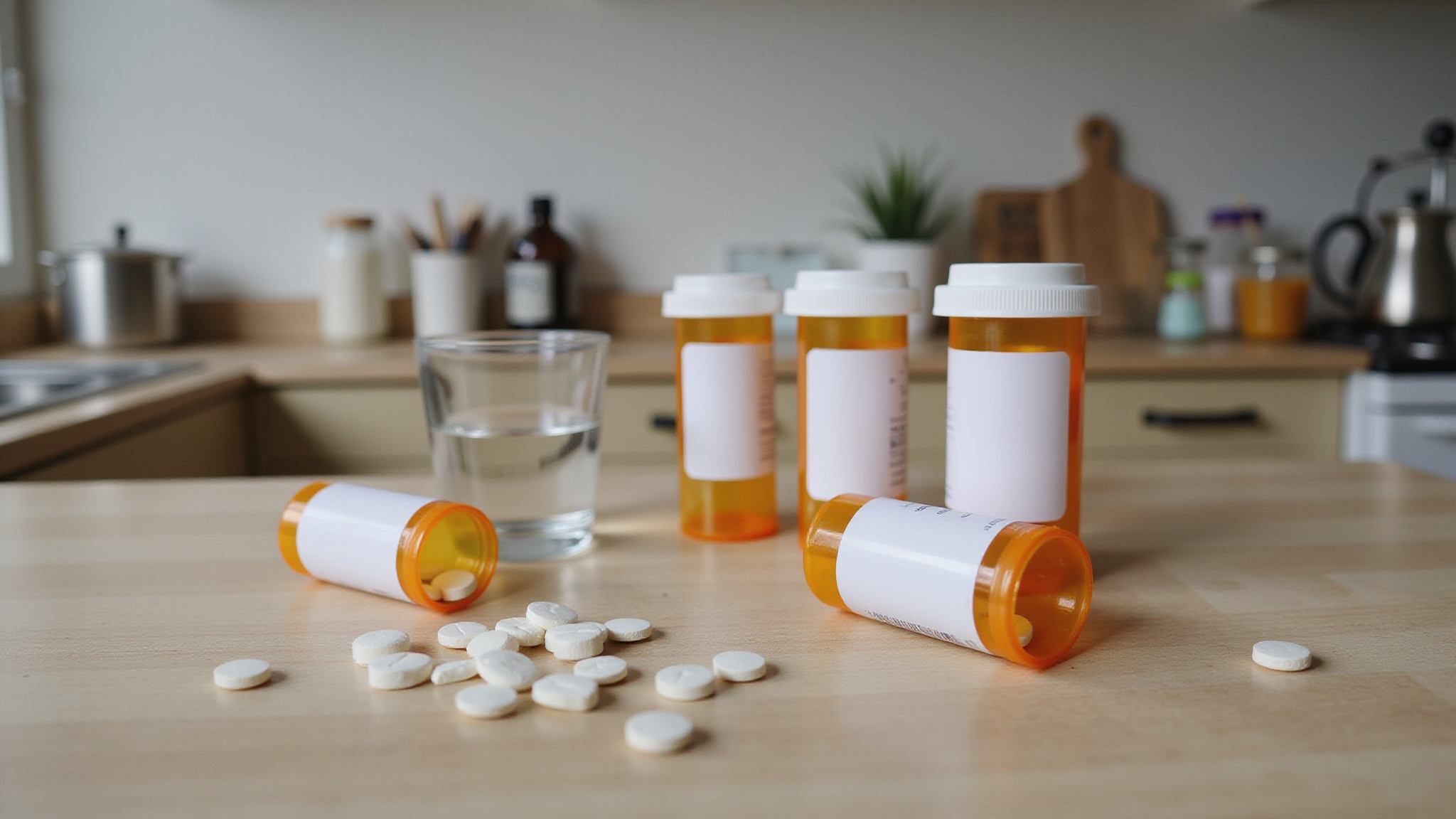
Relapse during good times happens because addiction changes your brain’s reward, stress, and self-control circuits, and those changes can outlast stopping. Everyday pleasures may still feel muted while old cues keep their pull. Confidence can quietly loosen routines you once relied on. Celebrations can spark euphoric recall that edits out the harm. Calm can also surface emotions you once numbed. Understanding these hidden risks can help you protect the stability you’ve worked hard to build.
Key Takeaways
- Addiction-related changes in reward, stress, and self-control circuits can persist during stability, leaving cravings active even when life improves.
- Growing confidence can make recovery feel finished, gradually replacing protective routines like meetings and journaling with small, seemingly reasonable choices.
- Euphoric recall replays the relief or excitement of past use while filtering out hangovers, conflict, shame, and losses.
- Celebrations, promotions, and milestones once marked with substances can become reliable cues that trigger cravings during good moments.
- Stable daily life can surface previously numbed grief, guilt, anger, or fear, prompting thoughts of using if substances were the main coping tool.
Why do addicts relapse when things are good

Addicts can relapse when things are good because addiction-related changes in the brain don’t simply disappear when life looks stable. Repeated substance use alters reward, stress, and self-control circuits, and these adaptations can persist long after you stop using. Everyday pleasures may still feel muted, while cues tied to past use keep their pull.
Positive events can raise your risk. If you once used to celebrate or socialize, a promotion, birthday, or new relationship can trigger cravings. Feeling better may lower your vigilance, leading you to skip meetings or ignore warning signs. Stress, grief, loneliness, and fatigue can surface beneath outward stability.
Relapse doesn’t mean you’ve failed. NIDA reports relapse rates similar to those for hypertension and asthma. Continuing treatment and planning for good and hard times help protect your recovery.
How confidence quietly turns into dropped routines and missed meetings
Confidence turns into dropped routines and missed meetings through small, reasonable-seeming choices that erode recovery gradually rather than all at once. As your life improves, you may start believing the hardest part is behind you. That feeling makes sense, but it can lower your vigilance about relapse risk. You skip one meeting because work runs late. You stop journaling because cravings feel distant. You reconnect with old friends because you trust yourself now.
Each choice seems reasonable, yet together they remove the structure that protected you. Addiction-related brain changes can persist during abstinence, and learned cues keep their pull. Watch for warning signs: reaching out less, isolating, or hiding difficult emotions. Continuing treatment is a key way to prevent relapse. Feeling better doesn’t mean you’ve stopped needing support. It means your support is working.
How euphoric recall rewrites what using was actually like

Euphoric recall rewrites what using was actually like by replaying the relief, excitement, or ease you felt while filtering out the hangovers, conflict, shame, and losses that followed. This selective memory isn’t a character flaw. Repeated substance use can leave substance-related cues with lasting motivational power, even as everyday rewards feel muted. When life is going well, celebrations, birthdays, or a new job can call up those edited memories, because using was once part of how you marked good moments. Stress sharpens them further. You can counter this by playing the tape forward: picture the whole episode, including the next morning, the arguments, and what you lost. Naming euphoric recall and sharing it with your support network keeps it from steering your decisions.
Why celebrations and milestones carry real relapse risk
Celebrations and milestones carry real relapse risk because your brain learned to pair reward with substances, so good moments can trigger cravings as reliably as stress does. Substance use often became part of how you marked those moments, and the associations don’t fade simply because your circumstances improve. Birthdays, holidays, promotions, and other meaningful dates can act as cues, especially when you return to familiar social settings where you once used. Success also creates a subtler risk: feeling in control can lower your vigilance. You might skip meetings, ease off recovery routines, or dismiss warning signs because things seem fine. Even welcome changes, like starting a new job or relationship, can stir urges. That’s why effective relapse-prevention plans account for positive events, not just obvious stressors. Plan for celebrations deliberately.
Why unresolved issues surface once the chaos stops

Unresolved issues surface after the chaos stops because the emotions and stressors that substances once numbed don’t disappear when active use ends. A stable daily life may give you room to feel grief, guilt, anger, or fear you’ve avoided. If substances served as your main coping tool, these intense emotions can prompt thoughts of using. Stress-related brain systems interact with reward circuits, so heightened stress reactivity can strengthen your motivation to use even when your circumstances look calm. Research links stress exposure to greater craving and increased relapse risk across several substance use disorders. Bereavement, health changes, and relationship shifts can surface without warning. Watch for isolation, hiding your emotions, or pulling back from support, since these changes signal rising risk. Continuing treatment gives you a structured place to address what emerges.
How relapse in good times differs from crisis-driven relapse
Relapse in good times often develops quietly, without a clear warning, while crisis-driven relapse usually follows obvious stressors like job loss, conflict, or grief. During a crisis, you and those around you can usually see the risk. When life improves, you may feel a sense of control that makes relapse seem unlikely.
| Crisis-Driven Relapse | Relapse in Good Times |
|---|---|
| Triggered by loss, conflict, or grief | Triggered by celebrations, milestones, or changes |
| You recognize the danger | Confidence lowers your vigilance |
| Support often increases | Recovery routines may slip |
Yet learned cues and addiction-related brain changes don’t simply disappear with success. If past celebrations involved substances, a promotion or birthday can spark strong cravings. That’s why your relapse-prevention plan should address positive events as well as obvious stressors.
What to keep in place precisely when you feel you no longer need it
Keep your treatment, your support people, your trigger plan, and your honest conversations in place, especially when life feels stable and these routines start to seem optional.
Addiction-related brain changes can persist during abstinence, so external stability doesn’t mean your vulnerability has ended. Continuing treatment remains one of the most reliable ways to prevent relapse. Keep these supports in place:
- Your treatment and check-ins, even when you feel strong enough to skip them.
- The people you call when cravings surface, because isolation quietly raises risk.
- Your trigger plan, updated for celebrations, promotions, and holidays, not just hard days.
- Honest conversations about stress, grief, or loneliness you’d rather keep hidden.
Feeling better is real progress. Protecting it means treating these supports as maintenance, not a sign that you’ve failed.
Conclusion
People relapse when life is good because the brain changes behind addiction don’t switch off just because things feel stable. Confidence loosens protective routines, celebrations act as cues, euphoric recall edits out the bad parts, and calm surfaces emotions you once numbed. The fix is to keep your treatment, support, and trigger plan in place exactly when they start to feel optional.
Protect the Progress You’ve Made
Good times need a plan just as much as hard ones. Lotus Recovery offers addiction recovery services in Thousand Oaks that keep your routines and support steady through every season of recovery. Call (805) 371-6377 today and we’ll help you protect the stability you’ve worked so hard to build.
Frequently Asked Questions
How Long Do Addiction-Related Brain Changes Last After Someone Stops Using?
There’s no fixed timeline. Addiction-related brain changes can persist well into abstinence, sometimes long after you’ve stopped using. Your reward circuits may stay desensitized, making everyday pleasures feel muted, while old cues still spark cravings. Your stress systems can remain reactive, and your executive control may weaken during high-risk moments. That’s why your external stability doesn’t end your vulnerability. Continuing treatment and planning for triggers help you protect your recovery.
Does Relapse Mean Addiction Treatment Has Failed?
No, relapse doesn’t mean your treatment has failed. NIDA describes relapse as a possible part of substance use disorders’ chronic course, with rates similar to hypertension and asthma. Stress, cues, craving, or a small amount of the substance can trigger a return to use. If you relapse, you can resume or adjust treatment, identify your triggers, and strengthen your prevention plan. Continuing care remains a way you can reduce risk.
How Do Relapse Rates Compare With Other Chronic Illnesses Like Asthma?
They’re similar. NIDA reports that relapse rates for substance use disorders match those for hypertension and asthma. If you’ve relapsed, you’re facing a recognized risk of a chronic condition, not proof that treatment can’t work. Just as you’d adjust asthma care after a flare-up, you can revisit your recovery plan, continue treatment, and identify the cues, stressors, or emotions that triggered your return to use so you can plan ahead.
What Warning Signs Should Family Members Watch for in a Loved One?
Watch for withdrawal from support, like skipped meetings or therapy, and growing isolation. You’ll also want to notice when your loved one hides emotions, seems overconfident about staying sober, or reconnects with people and places tied to past use. Don’t overlook stress, grief, exhaustion, or loneliness, and stay alert during celebrations, holidays, and new jobs. These signs don’t prove relapse, but they’re cues to calmly offer support rather than blame.
What Should Someone Do Immediately After a Slip or Brief Return to Use?
Stop using, get somewhere safe, and contact your treatment provider or trusted support person. A slip doesn’t erase your progress; relapse is a recognized part of a chronic condition, not proof of failure. Identify what triggered it: stress, cues, a celebration, or loneliness. Then update your relapse-prevention plan, resume recovery routines, and don’t isolate or hide your feelings. Because tolerance drops during abstinence, call emergency services if overdose symptoms appear.