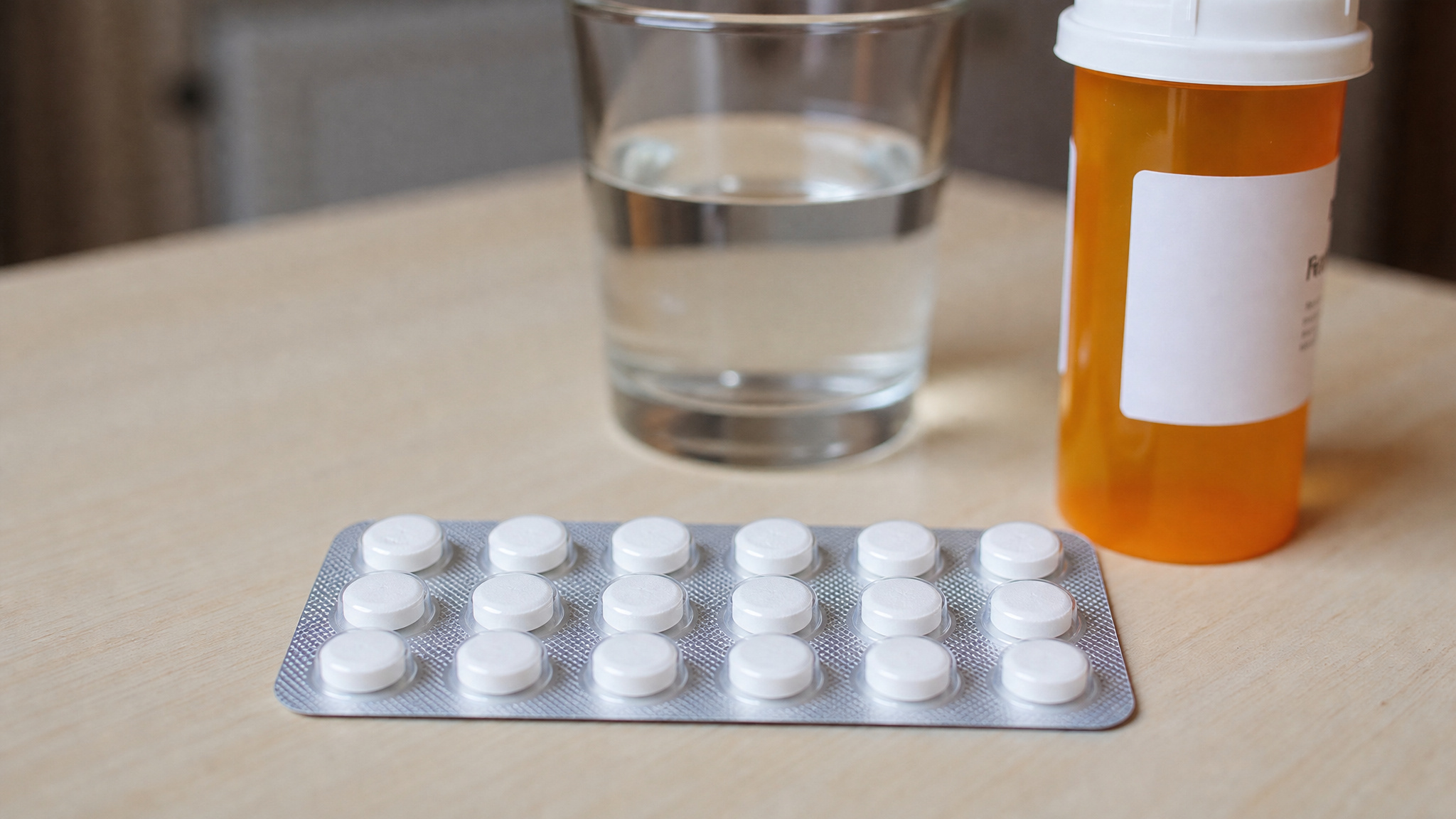
The most common Suboxone side effects are headache, nausea, constipation, sweating, trouble sleeping and a numb or tingling mouth. Most are mild and ease as your body adjusts over the first few weeks. Less common but serious risks include slowed breathing when mixed with alcohol or sedatives, liver problems and dental damage. For most people with opioid use disorder, the benefits of Suboxone outweigh these risks.
Key Takeaways
- Headache was the most common side effect in clinical studies, reported by about 36% of people.
- Nausea, constipation, sweating and insomnia are also common early on.
- Mixing Suboxone with alcohol or benzodiazepines can cause dangerous breathing problems.
- The FDA warns that buprenorphine dissolved in the mouth can damage teeth.
- Rinsing with water and waiting an hour before brushing helps protect your teeth.
- Never stop Suboxone suddenly, since that can cause withdrawal and raise relapse risk.
What Is Suboxone Used For?

Suboxone treats opioid use disorder. It combines buprenorphine, which reduces cravings and withdrawal, with naloxone, which discourages misuse. It comes as a film or tablet that dissolves under the tongue.
Buprenorphine is a partial opioid agonist. It activates opioid receptors enough to prevent withdrawal, but with a ceiling effect that lowers the risk of overdose compared with full opioids. That’s why it’s one of the most widely used medications for opioid recovery.
Common Suboxone Side Effects
The Suboxone prescribing information reports these as the most common side effects in a 4-week study of Suboxone tablets.
| Side effect | How often it was reported |
|---|---|
| Headache | 36.4% |
| Withdrawal symptoms | 25.2% |
| Pain | 22.4% |
| Nausea | 15.0% |
| Insomnia | 14.0% |
| Sweating | 14.0% |
| Constipation | 12.1% |
| Vomiting | 7.5% |
With the film form, a numb or tingling feeling in the mouth is the most common side effect.
How to Manage Common Side Effects
- Headache: stay hydrated and ask your prescriber which pain reliever is safe for you.
- Constipation: drink more water, eat fiber and stay active.
- Nausea: take your dose after a light meal if your prescriber allows it.
- Insomnia: keep a steady sleep schedule and avoid caffeine later in the day.
- Sweating: wear breathable layers and keep water nearby.
Withdrawal-like symptoms early on often mean your dose needs adjusting. Tell your prescriber rather than changing the dose yourself.
Serious Suboxone Side Effects

Serious reactions are less common, but you should know the warning signs.
Slowed Breathing
Mixing Suboxone with alcohol, benzodiazepines, sleep aids or other sedatives can slow breathing to a dangerous level. The label warns this combination can cause death. Call 911 if someone is very hard to wake or breathing slowly.
Liver Problems
Cases of liver injury, from raised enzymes to liver failure, have been reported. Your prescriber may check liver function before and during treatment. Yellow skin or eyes, dark urine or pain in the upper right belly need prompt care.
Adrenal Insufficiency
Rarely, long-term use affects the adrenal glands. Symptoms include nausea, vomiting, extreme fatigue, weakness, dizziness or low blood pressure.
Allergic Reactions
Hives, rash or swelling of the face, lips or throat need emergency care.
Suboxone and Your Teeth
In 2022, the FDA added a warning about dental problems with buprenorphine medicines dissolved in the mouth. Reported problems include tooth decay, cavities, infections and tooth loss, even in some people with no prior dental issues.
The FDA recommends these steps:
- After the medicine fully dissolves, take a big sip of water, swish it around your mouth, then swallow.
- Wait at least one hour before brushing your teeth.
- See a dentist soon after starting treatment, and tell them you take buprenorphine.
- Keep up with regular dental checkups.
The FDA states that the benefits of buprenorphine clearly outweigh these risks for opioid use disorder.
Long-Term Side Effects of Suboxone

Many people take Suboxone safely for months or years. Long-term effects to watch include ongoing constipation, dental problems, sleep changes and, rarely, adrenal issues. Regular check-ins with your prescriber help catch problems early.
Suboxone causes physical dependence, which is expected and different from addiction. Stopping it should always be a slow, planned taper. Planning each step with your prescriber is a core part of how medication-assisted treatment works in daily recovery.
Conclusion
Most Suboxone side effects, like headache, nausea or constipation, are mild and fade with time. The serious risks, including slowed breathing with sedatives and dental damage, are manageable with the right precautions.
Stay in close contact with your prescriber and never mix Suboxone with alcohol or sedatives. With that care, Suboxone remains one of the most effective tools for opioid recovery.
Outpatient Suboxone Treatment at Lotus Recovery
Lotus Recovery Treatment Center offers Suboxone treatment as part of outpatient addiction care in Thousand Oaks. Our medical team monitors side effects, adjusts your dose and pairs medication with counseling.
We also offer Vivitrol for people who prefer a monthly option. Day and evening programs let you keep up with work while you recover.
Most insurance is accepted, and same day appointments are available. Call (805) 856-6690 or verify your insurance to get started.
Frequently Asked Questions
What are the long-term side effects of Suboxone?
Long-term use can bring ongoing constipation, dental problems or sleep changes. Rarely, it can affect the liver or adrenal glands. Regular checkups with your prescriber and dentist help manage these risks.
Is Suboxone safe?
Yes, when taken as prescribed. Buprenorphine has a ceiling effect that lowers overdose risk compared with full opioids. The biggest danger comes from mixing it with alcohol, benzodiazepines or other sedatives. Your prescriber will monitor you throughout treatment.
How long should you be on Suboxone?
There is no set limit. Some people take Suboxone for months, while others stay on it for years. Staying on medication longer is linked to lower relapse risk. You and your prescriber decide together when, or whether, to taper.
Does Suboxone cause weight gain?
Some people notice weight changes on Suboxone, often because appetite returns as recovery stabilizes. Weight gain isn’t one of the most common side effects in the label. Talk to your provider if it’s a concern.
Can Suboxone make you tired?
Yes, some people feel drowsy, especially early on or after a dose increase. Avoid driving until you know how it affects you. Drowsiness that’s severe or paired with slow breathing needs medical attention right away.