
A relapse means your symptoms have returned or worsened after you’d started to recover. It doesn’t erase your progress, and it isn’t a verdict on you. Instead, it signals that your care plan may need review. No fixed timeframe defines relapse; clinicians weigh severity and impact on your daily life. Stopping medication early and facing new stress are common triggers. Next, you’ll see the early warning signs and the steps that help you regain control.
Key Takeaways
- Relapse means symptoms return or worsen after partial or full recovery; it signals a need to review care, not failure.
- No fixed duration defines relapse; clinicians weigh severity, impact, and condition, so a brief setback isn’t automatically a relapse.
- Relapse can appear as shifts in mood, thinking, sleep, appetite, behavior, or social engagement, often preceded by early warning signs.
- Relapse typically describes symptoms returning before full recovery, while recurrence describes a new episode after sustained recovery.
- Stopping medication early and stress are key triggers; follow your relapse-prevention plan and promptly contact a mental-health professional.
What does relapse mean in mental health

In mental health, relapse means that symptoms have returned or worsened after a period of partial or full recovery. Although the word can sound like a verdict, it doesn’t erase the progress you’ve made, and it doesn’t prove your recovery has failed. Instead, it signals that your current care plan may need review. Clinicians define relapse differently depending on the condition and the study. In psychotic disorders, for example, relapse may mean your symptoms have intensified enough to require a fresh look at treatment. Hospitalization is one possible outcome, not the definition itself. Because symptoms and relapse patterns vary across diagnoses, you shouldn’t apply a single rate to every condition. Understanding what relapse means for your specific diagnosis helps you and your care team respond effectively.
How long symptoms have to persist before it counts as one
No fixed length of time makes returning symptoms count as a relapse. Clinical definitions differ by condition and study, so your care team weighs severity and impact alongside duration.
- Warning signs often come first. Before a psychosis relapse, you may notice withdrawal or low mood for 1–4 weeks.
- A brief setback isn’t automatically a relapse. You and your clinician can address a few rough days together.
- Intensity matters. In psychotic disorders, relapse may mean symptoms have worsened enough to require treatment reassessment.
- Follow-up periods vary. One review tracked depression relapse over 26 weeks, but that’s a study window, not a rule.
If symptoms persist, intensify, or disrupt your daily functioning or safety, contact your clinician promptly rather than waiting it out alone.
What it looks like in depression, bipolar disorder, and psychosis

Relapse often shows up first as shifts in mood, thinking, behavior, sleep, appetite, or social engagement, though it won’t look the same in depression, bipolar disorder, and psychosis because symptom patterns and relapse predictors vary across disorders.
| Condition | Early signs you might notice |
|---|---|
| Depression | Returning low mood, disrupted sleep or appetite |
| Bipolar disorder | Mood changes, sleep disruption, altered behavior |
| Psychosis | Social withdrawal, depressed mood, changes in thinking |
| Substance use | Isolation, bottled-up emotions, poor sleep or eating |
In psychosis, warning signs can appear one to four weeks before relapse, giving you time to act. If you’re tracking your own patterns, note which signs show up for you and share them with your care team. Catching them early means you can adjust care sooner, not that you’ve failed.
How clinicians distinguish relapse from recurrence
Clinicians distinguish relapse from recurrence mainly by timing: whether your symptoms returned during a period of partial improvement or after you’d fully recovered.
Relapse or recurrence? Timing matters most: did symptoms return during partial improvement, or after you’d fully recovered?
Many clinicians call a return before full recovery a relapse, and a new episode after sustained recovery a recurrence. Definitions differ by condition and study, so your clinician will also consider:
- How long you’ve felt well before your symptoms returned
- Whether symptoms match your previous episode or look different
- How much your sleep, mood, thinking, or daily functioning has changed
- Recent changes, such as stopping medication early or facing new stress
Either label simply signals that your care plan needs review, not that recovery has failed. Your honest answers help your clinician guide adjustments to your treatment and support.
What usually triggers one, including stopping medication
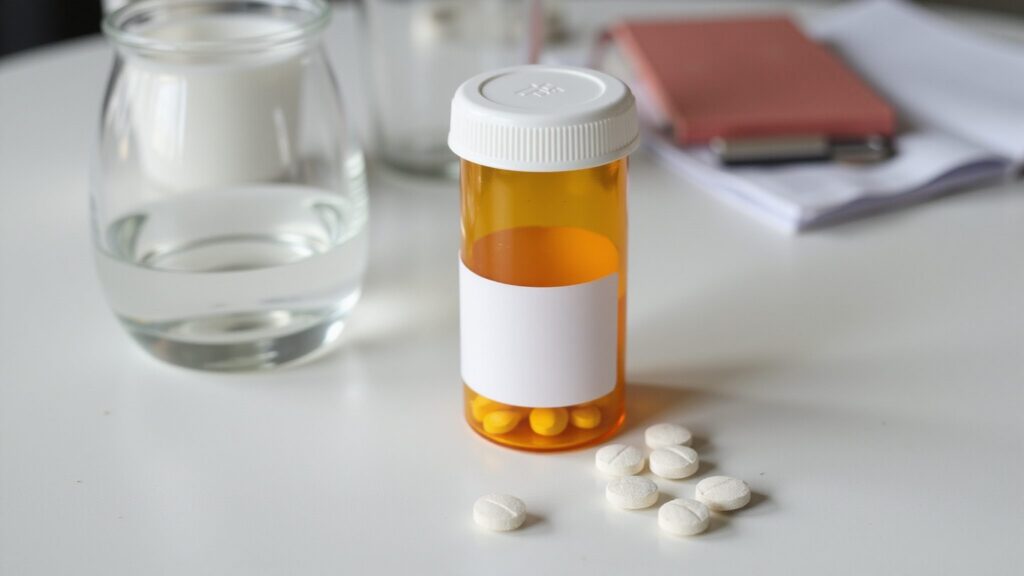
Stopping medication earlier than prescribed is one of the most clearly identified relapse triggers, though no single cause explains every relapse. Feeling better can make you wonder whether you still need treatment, but symptoms can return after you stop. If you’re considering a change, talk with your prescriber so you can adjust safely.
Stressful situations can also strain your coping strategies, especially if you haven’t built many. Research also links relapse with functional disability, though these studies show association rather than proof of cause.
Your diagnosis shapes your risk. Studies report higher recurrence in schizophrenia, bipolar disorder, and substance-use disorders than in depression, and predictors vary across conditions. Identifying your personal triggers helps you and your care team plan ahead.
Why relapse is not a sign that treatment failed
A relapse signals that your care plan may need review, not that your recovery has failed. Research shows recurrence is common across many conditions, so you’re far from alone, and it’s natural to feel discouraged if your symptoms return. Here’s what a relapse can actually tell you:
- Your treatment may need adjusting. Your clinician can reassess medication, therapy, or support.
- A setback isn’t a full relapse. Early difficulties often respond to prompt attention.
- Your warning signs are becoming clearer. Each episode helps you identify personal triggers.
- Recovery can continue. Prevention planning strengthens coping strategies and lowers avoidable risk.
Contact your mental-health professional promptly when symptoms return, especially if they affect daily functioning or safety. Acting early gives you the best chance to regain stability.
What to do when you recognise one starting
Start with your relapse-prevention plan if you have one. It should list your personal warning signs, the steps you’ve agreed to take, and who to contact. Acting on an early warning sign often helps before symptoms become more disruptive.
If you don’t have a plan, note what’s changed, such as your sleep, appetite, mood, or social contact, and when it began.
Contact your mental health professional promptly. They can reassess your symptoms and adjust your care before things escalate.
Keep taking prescribed medication, even if you’re tempted to stop. Discuss any changes with your prescriber first.
If your daily functioning or safety is affected, seek urgent professional help. Acting early isn’t overreacting. It’s simply using what you know about yourself.
Conclusion
When it comes to your mental health, a relapse signifies that your symptoms have returned or worsened and your care plan needs another look, not that you’ve failed or lost your progress. Treat the early warning signs as information, keep taking your prescribed medication, and reach out to your clinician sooner rather than later. Acting early is what gives you the best chance of getting steady again.
Get Support When Symptoms Return
A return of symptoms is a reason to reach out, not to pull back, and you don’t have to face it alone. Lotus Recovery is a Mental Health Treatment Center in Thousand Oaks that helps you catch the early signs and adjust your care. Call (805) 371-6377 today and we’ll help you find your footing again.
Frequently Asked Questions
Can Loved Ones Help Spot Relapse Warning Signs I Might Miss?
Yes, they can. Changes in mood, sleep, appetite, or social engagement often show up before a relapse, sometimes 1–4 weeks earlier in psychosis, and people close to you may notice withdrawal you don’t. You can include trusted loved ones in your relapse-prevention plan, listing your personal warning signs and the steps you’ll take. If they spot changes, contact your clinician promptly, especially when changes disrupt your daily functioning or safety.
Should I Tell My Employer if I’m Experiencing a Relapse?
You don’t have to tell your employer, and the choice is yours. Disclosure may help if your relapse is affecting your work, concentration, or safety, since adjusted duties or time off can support recovery. You can share what’s necessary, such as needing medical appointments, without naming a diagnosis. Before deciding, talk with your clinician, who can help you weigh benefits and risks and include work stressors in your relapse-prevention plan.
Does Having One Relapse Make Future Relapses More Likely?
Not necessarily, though research gives no single answer. Relapse patterns and predictors vary by diagnosis, and in severe disorders like schizophrenia and bipolar disorder, studies link repeated episodes with greater illness burden and cumulative disability. One relapse signals that your care plan needs review, not that recovery’s failed. You can reduce avoidable risk by tracking your warning signs, continuing prescribed medication, and keeping regular contact with your mental health team.
How Can I Rebuild Confidence After Going Through a Mental Health Relapse?
You can rebuild confidence by treating your relapse as information, not failure. It signals your care plan may need review, and recovery can continue. Work with your clinician to identify what triggered it, then update your prevention plan with your warning signs, response steps, and support contacts. Don’t stop prescribed medication without your prescriber, even when you’re better. Each early sign you catch and act on shows you’re regaining control.
Are Relapse Rates Different for People in Different Countries or Settings?
Yes, you’ll see relapse rates vary across countries and settings, but you can’t compare them directly. A 2025 Rwanda hospital study found relapse in 76.1% of people with schizophrenia and 47.8% with depression, while a hospitalized sample showed rates near 88%. Researchers use different follow-up periods, diagnostic criteria, and relapse definitions, so these figures aren’t your personal forecast. Your clinician can help you interpret your own risk and plan prevention.