It depends on how your recovery plan defines sobriety. Most “non-alcoholic” beers contain up to 0.5% ABV, so they won’t intoxicate you, but they do break a zero-alcohol goal. Even 0.0% options can trigger cravings through familiar taste, smell, and ritual. One study of 198 men found lower one-year abstinence among nonalcoholic-beer users, though it didn’t prove cause. Knowing your risk level, stage of recovery, and warning signs helps you pick safer alternatives confidently.
Key Takeaways
- Whether non-alcoholic beer breaks sobriety depends on your recovery plan’s definition: zero alcohol exposure, avoiding intoxication, or avoiding drinking cues.
- “Non-alcoholic” beer can contain up to 0.5% ABV, so only verified 0.0% products align with a zero-alcohol-exposure goal.
- One observational study found 15.3% one-year abstinence among nonalcoholic-beer users versus 51.2% among nonusers, though causation wasn’t proven.
- Beer-like taste, smell, and rituals can trigger cravings regardless of ABV, especially during early recovery or with severe dependence.
- Warning signs include urges after drinking one, thoughts of “real” beer, or hiding use; consider discussing choices with a clinician or sponsor.
Does drinking non alcoholic beer break sobriety
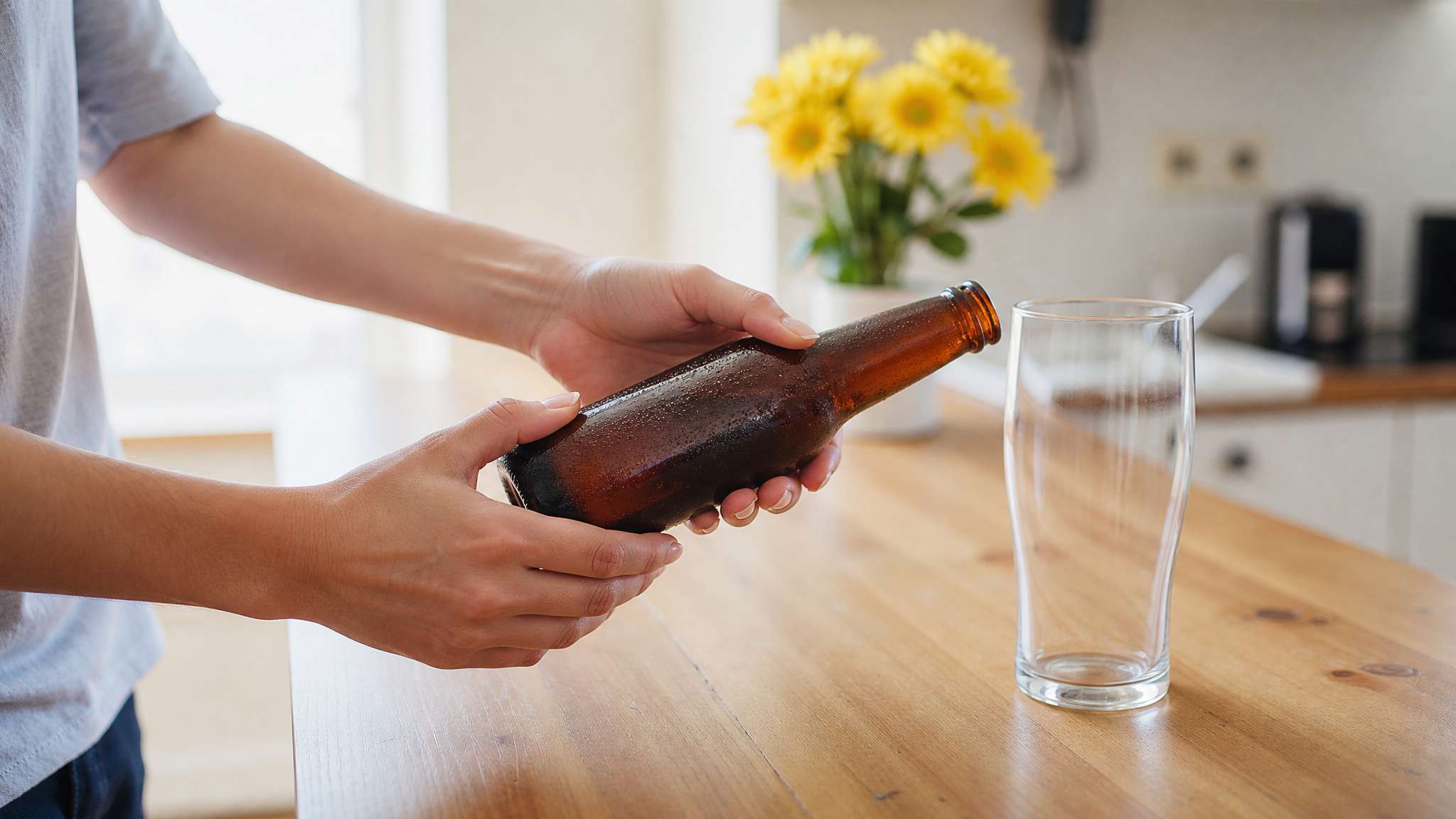
Drinking non-alcoholic beer can break your sobriety, depending on how you define sobriety and what your recovery plan requires. If your goal is avoiding any alcohol exposure, check the label: “non-alcoholic” beer can contain less than 0.5% ABV, while “alcohol-free” products may contain 0.0%. Even without alcohol, a beer-like taste, smell, or ritual can act as a craving cue. One study of 198 men after inpatient treatment found one-year abstinence of 15.3% among nonalcoholic-beer users versus 51.2% among nonusers. That study was observational, so it doesn’t prove the beer caused relapse, but it’s worth weighing. If you notice urges or preoccupation after drinking one, treat that as a warning sign. Talk with your counselor or recovery group before deciding. Avoiding triggers isn’t weakness.
How much alcohol non alcoholic beer actually contains
Non-alcoholic beer can contain up to 0.5% alcohol by volume (ABV), so most of it isn’t completely alcohol-free. Products labeled “alcohol-free” may contain 0.0%. U.S. federal labeling treats malt beverages at or above 0.5% ABV as a different alcohol category.
| Label | Typical Alcohol Content |
|---|---|
| Alcohol-free | 0.0% ABV |
| Non-alcoholic | Less than 0.5% ABV |
| Malt beverage | 0.5% ABV or higher |
These trace amounts matter if your recovery plan requires strict abstinence, because a “non-alcoholic” label doesn’t guarantee zero alcohol. Always check the product’s stated ABV rather than trusting marketing terms alone. If you want to avoid any alcohol exposure, choose a clearly labeled 0.0% product. If you’re unsure whether trace alcohol fits your goals, talk with your clinician, counselor, or recovery group before you decide.
Why the answer depends on how you define sobriety
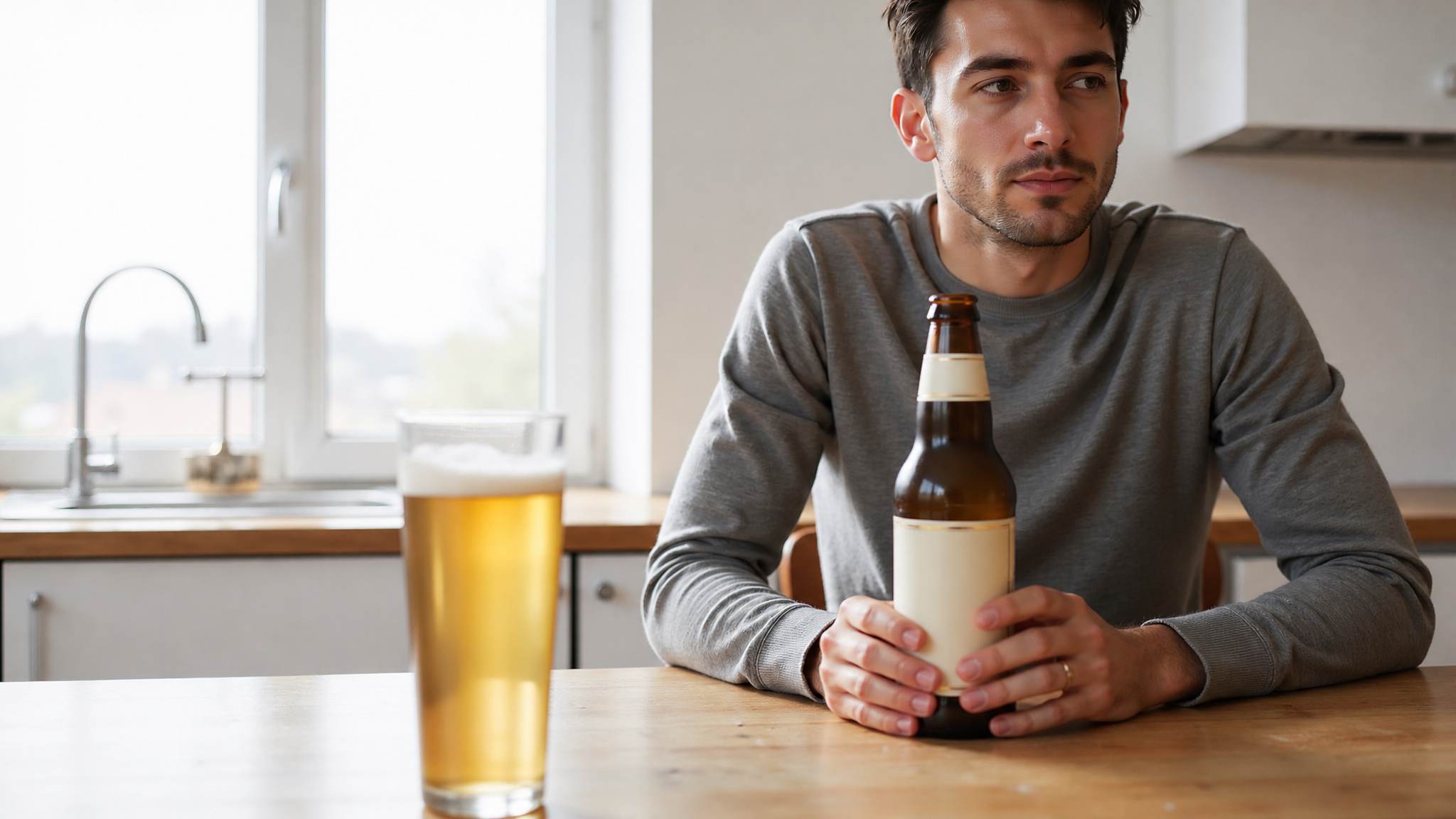
The answer depends on how you define sobriety because sobriety means different things to different people, and each definition draws the line in a different place. A product’s ABV tells you what’s in the bottle, but it doesn’t settle whether drinking it fits your recovery. Ask yourself which goal guides your plan:
- Zero alcohol exposure. Even trace amounts below 0.5% ABV conflict with this goal, so only 0.0% products qualify.
- Avoiding intoxication. You might accept trace alcohol if it can’t impair you or lead back to problematic drinking.
- Avoiding cues. If beer’s taste, smell, or ritual stirs cravings, any version can threaten your progress.
- Following your treatment plan. SAMHSA frames abstinence as the goal for addiction, so check with your counselor or clinician.
What AA and treatment professionals generally say
Treatment guidance generally leans toward caution, though no single rule governs every recovery program. SAMHSA’s recovery definition names abstinence from alcohol as the goal for people with addictions, and it identifies cues and sensations as potential craving triggers. A beer’s taste, smell, or ritual can act as that kind of cue, even months into recovery.
Mutual-help groups and sponsors vary, so you’ll hear different views. If you’re in a self-help group, it’s worth asking, since one study linked group participation with lower lapse risk.
Clinicians often encourage you to check the ABV, choose 0.0% if you drink one at all, and skip it if it stirs urges. Bring the question to your counselor or group. Avoiding a triggering drink isn’t weakness; it’s protecting your recovery.
Why the ritual and the taste matter more than the ABV
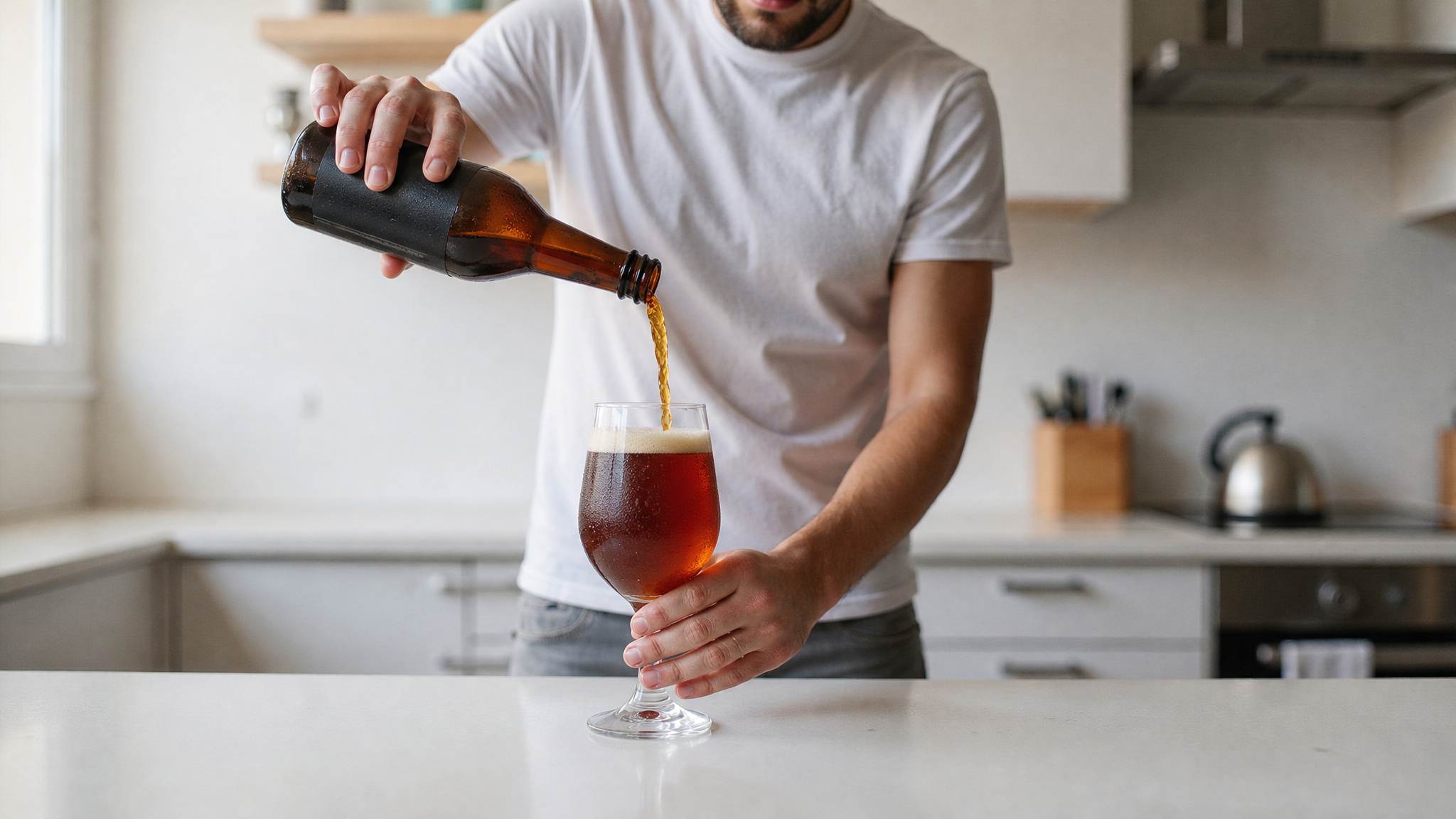
The ritual and the taste matter more than the ABV because the experience of drinking a 0.0% ABV beer can closely mirror your old habit: the crack of the tab, the cold glass, the familiar bitter taste. SAMHSA identifies cues and sensations as potential craving triggers, and research links stronger dependence with greater craving after low- or no-alcohol drinks.
The crack of the tab, the cold glass, the familiar taste: for recovery, the ritual can matter more than the ABV.
Watch for these warning signs:
- You feel urges or preoccupation after drinking one.
- You crave it at times you used to drink.
- You start thinking about “real” beer.
- You hide or minimize how often you drink it.
If you notice any of these, treat them as signals, not failures, and talk with your counselor or recovery group. Choosing to avoid a triggering product protects your recovery. It isn’t a test of willpower.
Who should avoid it, and at what stage
People with a history of severe alcohol dependence should avoid nonalcoholic beer, especially in early recovery right after finishing treatment. In a study of 198 Japanese men leaving inpatient treatment, one-year abstinence was 15.3% among nonalcoholic-beer users versus 51.2% among nonusers. The study was observational, so it doesn’t prove the beer caused relapse, but the signal is hard to ignore in early recovery. Research also links greater dependence severity with stronger cravings after low- or no-alcohol drinks. Don’t assume the risk fades quickly. Cravings can return months into recovery. If your plan requires strict abstinence, or you notice urges after one drink, avoiding it is a protective choice, not a failure of willpower. Talk with your clinician or counselor before trying one.
Which alternatives carry none of the risk
No beer-style drink carries none of the risk. The safest alternatives remove both concerns research flags: trace alcohol and beer-like cues that can trigger cravings.
- Verified 0.0% ABV products. Check the label. “Non-alcoholic” can still mean up to 0.5% ABV.
- Drinks that don’t resemble beer. Seltzer, flavored sparkling water, or iced tea avoid the taste, smell, and packaging that may act as reminders.
- New rituals. Use a different glass, setting, or time of day so you don’t recreate old drinking routines.
- A choice reviewed with support. Ask your clinician, counselor, or recovery group whether an option fits your abstinence goals.
If any drink sparks cravings or preoccupation, treat that as a warning sign, not a willpower test, and seek support.
Conclusion
Whether a non-alcoholic beer breaks your sobriety depends on how you define it. If your goal is zero alcohol, most “non-alcoholic” beers fail it, since they can hold up to 0.5% ABV, and even a true 0.0% can pull you back through the taste, smell, and ritual. If you’re early in recovery or have a history of heavy dependence, the safer move is to skip it and lean on support.
Protect Your Hard-Earned Sobriety
Questions like this come up often, and you don’t have to sort them out alone. Lotus Recovery offers Alcohol Rehab in Thousand Oaks that helps you stay ahead of cravings and the gray areas of early recovery. Call (805) 371-6377 today and we’ll help you protect the sobriety you’ve worked so hard for.
Frequently Asked Questions
Can Non-Alcoholic Beer Cause a Positive Breathalyzer or Etg Urine Test?
Yes, it’s possible. Products labeled “non-alcoholic” can contain up to 0.5% ABV, so drinking several in a short time may produce a detectable EtG result, especially with sensitive low-cutoff urine tests. A breathalyzer positive is less likely, though residual mouth alcohol right after drinking could register briefly. If you’re subject to monitoring, choose verified 0.0% products or skip them entirely, and ask your clinician or program how they interpret low-level results.
Is Non-Alcoholic Beer Safe to Drink While Taking Disulfiram or Naltrexone?
With disulfiram, you shouldn’t drink it. Many nonalcoholic beers contain up to 0.5% ABV, and even trace alcohol can trigger flushing, nausea, vomiting, and a racing heart. Naltrexone doesn’t cause that reaction, but beer-like taste and rituals may still spark cravings, and research links nonalcoholic beer with higher lapse risk in some people. If you’re considering a 0.0% option, talk with your prescriber first, and honor whatever protects your recovery.
Should I Reset My Sobriety Date After Accidentally Drinking Non-Alcoholic Beer?
Not necessarily. Whether you reset depends on how your recovery plan defines sobriety. “Non-alcoholic” beer can contain less than 0.5% ABV, so check the label; a 0.0% product contains no alcohol. An accidental sip isn’t a return to problematic drinking. Still, do watch for cravings or urges afterward, since they’re a warning sign. Talk with your counselor, clinician, or recovery group, and decide together what truly honors your recovery goals.
Is Non-Alcoholic Beer Safe for People With Liver Disease or Cirrhosis?
Non-alcoholic beer isn’t automatically safe for you, so you’ll want your hepatologist’s approval first. Products labeled “non-alcoholic” may contain alcohol just below 0.5% ABV, and with cirrhosis, clinicians typically advise complete alcohol avoidance. If you choose one, check the label and pick a 0.0% product. Beer-like drinks can trigger cravings for some people in recovery. Your liver health matters most, so let your care team guide this decision.
How Do I Tell Friends I’m Not Drinking Non-Alcoholic Beer Either?
Tell them simply and directly: “I’m skipping non-alcoholic beer too; it’s part of my recovery plan.” You don’t owe anyone a detailed explanation. If you’d like to share more, you can note that some “non-alcoholic” beers contain nearly 0.5% ABV, and beer-like taste or rituals can trigger cravings. Choosing what protects your recovery isn’t a willpower test. Bring your own drink, and lean on friends who respect your boundaries.