The difference in a panic attack vs anxiety attack comes down to speed and intensity. A panic attack is a sudden surge of intense fear that hits hard within minutes, often with a racing heart, shortness of breath or a sense of doom. An “anxiety attack” isn’t a medical diagnosis. People use it to describe anxiety that builds more gradually in response to stress and can last much longer.
Key Takeaways
- Panic attacks are a recognized clinical term, while “anxiety attack” is an everyday phrase.
- Panic attacks start suddenly, often without a clear trigger, and feel extreme.
- Anxiety tends to build slowly around a worry or stressor and feels less intense.
- About 2.7% of U.S. adults had panic disorder in the past year.
- Slow breathing and grounding can shorten both kinds of episodes.
- CBT is the gold-standard therapy for panic, often paired with SSRI or SNRI medication.
What Is a Panic Attack?

A panic attack is a sudden wave of intense fear or discomfort. According to the National Institute of Mental Health, it can come with physical symptoms and a sense of losing control. It typically lasts a few minutes, though some feel like they go on for an hour.
Common panic attack symptoms include:
- A racing or pounding heart
- Sweating, chills or trembling
- Shortness of breath or a choking feeling
- Chest pain, nausea or stomach pain
- Dizziness or tingling in the hands
- Fear of dying, losing control or “going crazy”
Panic attacks can happen out of the blue, even during sleep. When they keep happening and you start to fear the next one, it may be panic disorder.
What People Mean by an Anxiety Attack
“Anxiety attack” isn’t a term used in the DSM-5. Most people use it to describe a period of heavy anxiety, often tied to a specific worry like work, money or health.
This kind of anxiety usually builds over minutes or hours. You may feel restless, tense, irritable or unable to stop worrying. Your muscles may ache, and sleep may be hard. It is uncomfortable, but it rarely reaches the sudden peak of a panic attack.
Panic Attack vs Anxiety Attack: Key Differences
| Feature | Panic attack | Anxiety attack |
|---|---|---|
| Onset | Sudden, within minutes | Gradual, builds over time |
| Trigger | Often none you can identify | Usually a specific stress or worry |
| Intensity | Extreme fear and strong physical symptoms | Mild to severe, but rarely overwhelming |
| Duration | Usually minutes | Can last hours or days |
| Clinical term | Yes, defined in the DSM-5 | No, an informal description |
Many people experience both. Ongoing anxiety can make you more prone to panic attacks, and panic attacks can leave you anxious about the next one.
Is It a Panic Attack or a Heart Attack?
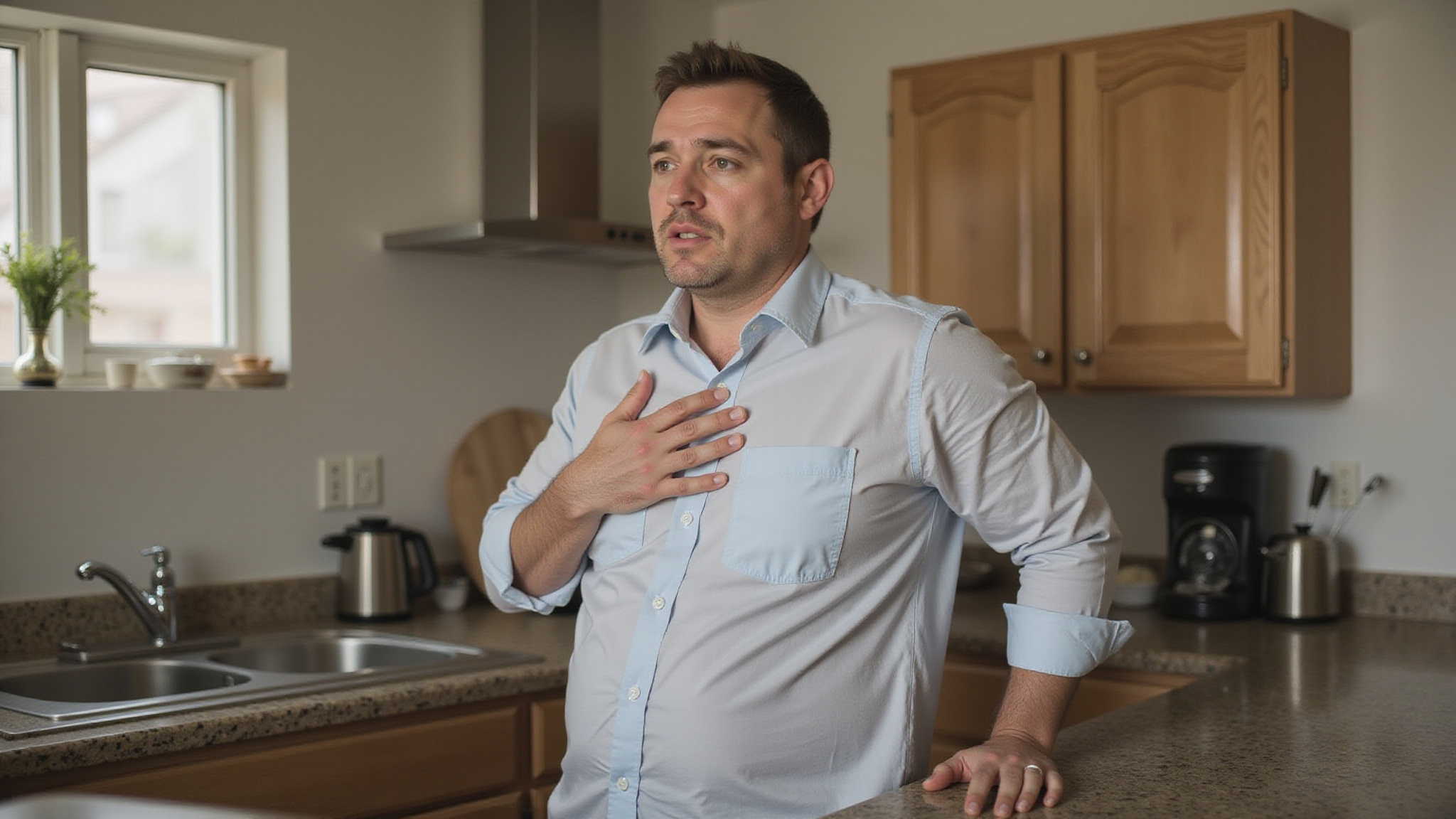
Panic attacks can feel like a heart attack, with chest pain and a racing heart. The Mayo Clinic explains how the two can overlap.
If you have chest pain and aren’t sure what is causing it, call 911. This matters most if it’s your first episode, you have heart risk factors or the pain spreads to your arm, jaw or back. It is always safer to rule out a heart problem.
How to Stop a Panic Attack
You can’t always prevent a panic attack, but you can shorten it and feel more in control.
- Name it. Tell yourself this is panic. It feels awful, but it will pass.
- Slow your breathing. Breathe in for 4 counts, then out for 6. Longer exhales calm your nervous system.
- Ground yourself. Focus on what you can see, hear and feel around you.
- Relax your muscles. Drop your shoulders, unclench your jaw and loosen your hands.
- Don’t run from it. Leaving the situation can teach your brain that the place is dangerous.
Practicing breathwork on calm days makes these skills easier to use when panic hits.
Treatment for Panic Attacks and Anxiety
Panic attacks and ongoing anxiety are very treatable. The NIMH calls cognitive behavioral therapy the gold standard for panic disorder. CBT helps you change how you think about body sensations and slowly face what you’ve been avoiding.
Medication can help too. SSRIs and SNRIs reduce panic over time, though they take several weeks to work. Benzodiazepines act quickly but carry a risk of dependence, so they are usually used only for short periods. A psychiatrist can help you weigh these options.
Panic disorder is common. According to NIMH statistics, about 2.7% of U.S. adults had it in the past year. Women are more than twice as likely as men to be affected.
Conclusion
A panic attack is sudden, intense and often unexpected. What people call an anxiety attack usually builds gradually in response to stress. Both feel real, and both deserve care.
If panic or anxiety is shaping your days, therapy and the right medication can bring real relief. You don’t have to keep bracing for the next episode.
Anxiety and Panic Treatment at Lotus Recovery
Lotus Recovery Treatment Center offers outpatient anxiety treatment in Thousand Oaks for panic disorder, generalized anxiety and related conditions. Our team uses CBT, DBT skills and medication management to help you feel steady again. We also provide anxiety treatment for Simi Valley residents.
Choose from day programs or evening sessions that fit around work or school. Same day appointments are available, and most insurance is accepted.
Call (805) 856-6690 or verify your insurance to get started.
Frequently Asked Questions
How do you get out of a panic attack?
Slow your breathing, with longer exhales than inhales. Remind yourself the attack will pass. Focus on things around you, such as what you see or feel under your feet. Most panic attacks fade within minutes. If they keep coming back, talk to a mental health professional.
What is the 3-3-3 rule for panic attacks?
The 3-3-3 rule is a grounding exercise. Name three things you see, three sounds you hear, then move three parts of your body. It pulls your attention away from racing thoughts and back to the present. It works best alongside slow breathing.
How do you stop anxiety?
You can lower anxiety with steady sleep, exercise, regular relaxation practice and less caffeine or alcohol. Talking back to worried thoughts helps too. If anxiety affects work, sleep or relationships, CBT or medication can bring lasting relief.
Can you have a panic attack and an anxiety attack at the same time?
Yes. Ongoing anxiety can build until it triggers a sudden panic attack. Afterward, worry about having another attack can keep anxiety high. Treating both together usually works best.
How does panic disorder affect daily life?
People with panic disorder often start avoiding places where they had attacks, such as stores, highways or crowds. Over time, that avoidance can shrink daily life and strain work or relationships. Treatment helps people return to the places and activities they’ve been avoiding.