High-functioning depression is when you live with ongoing low mood, emptiness or exhaustion but still go to work, take care of others and look fine from the outside. It isn’t a formal diagnosis. It often matches persistent depressive disorder, a milder but long-lasting form of depression that continues for at least 2 years. You should get help if low mood has become your normal, even if you’re still getting everything done.
Key Takeaways
- The term describes depression that hides behind a busy, capable life.
- It often matches persistent depressive disorder, also called dysthymia.
- Common signs include constant fatigue, low joy, self-criticism and feeling numb.
- About 8.3% of U.S. adults had a major depressive episode in a recent year.
- Therapy and antidepressants work for depression, even when it seems “mild.”
- Outpatient and evening programs let you get care while you keep working.
What Is High-Functioning Depression?

This is a way of describing depression that doesn’t stop you from functioning. You still meet deadlines, show up for family and handle responsibilities. But it takes far more effort than it should, and you rarely feel good.
Because you’re still “doing fine,” the people around you may not notice. You may not notice either. Many people assume depression always means staying in bed, so they don’t recognize their own symptoms.
What Is High-Functioning Depression Called Clinically?
Clinicians often diagnose it as persistent depressive disorder, once called dysthymia. According to the National Institute of Mental Health, it is a milder but longer-lasting form of depression, with symptoms that last at least 2 years. Some people meet the criteria for major depression instead.
Signs of High-Functioning Depression
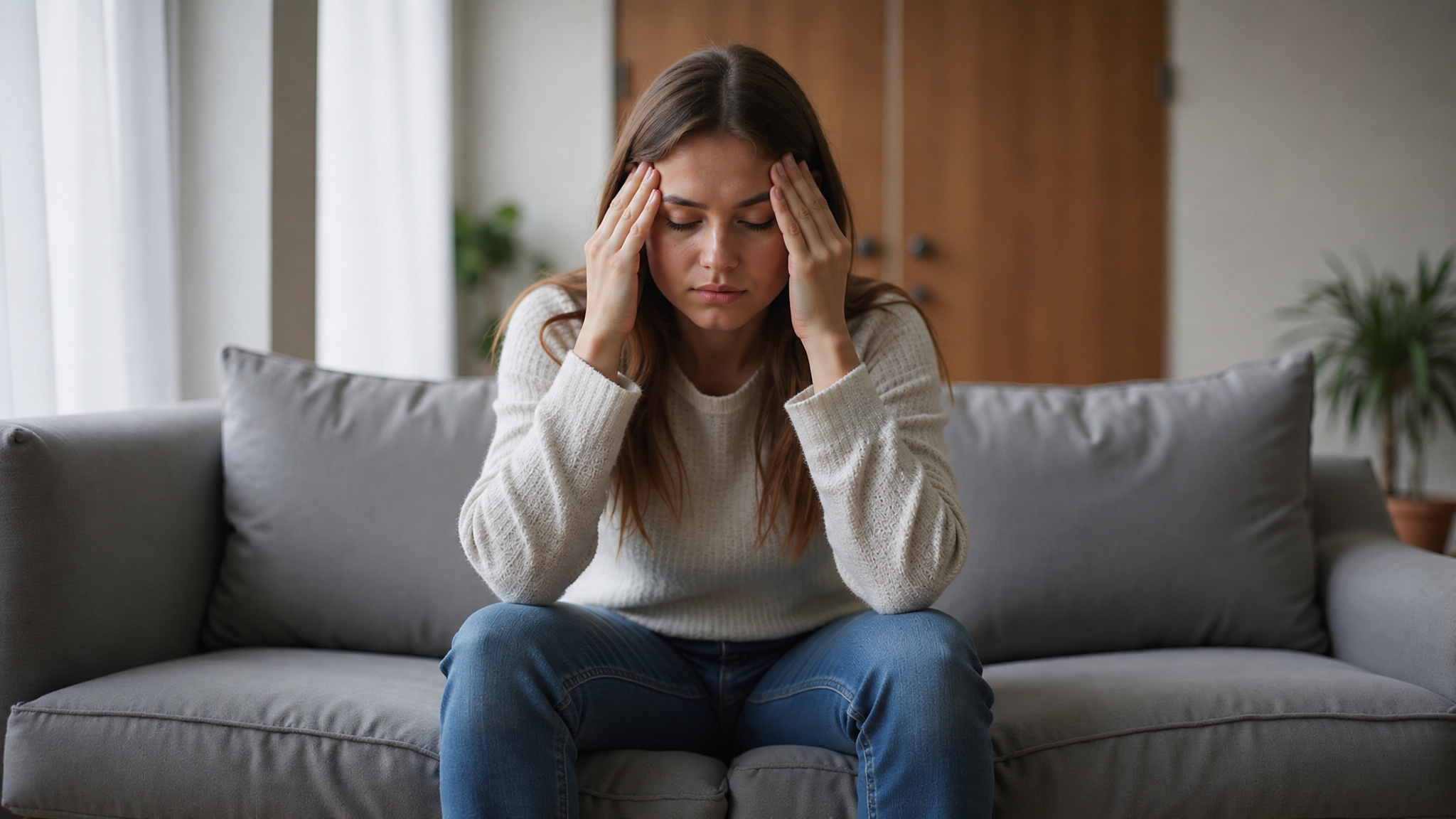
- Feeling tired all the time, even after rest
- Little joy or excitement, even about things you used to love
- Harsh self-criticism or feeling like you’re never enough
- Going through the motions at work or home
- Trouble concentrating or making decisions
- Sleeping too much or too little
- Changes in appetite
- Pulling back from friends while still showing up in public
- Relying on alcohol, food or overwork to numb feelings
High-Functioning Depression vs Major Depression
| Feature | High-functioning depression | Major depressive episode |
|---|---|---|
| Daily functioning | Mostly intact, but effortful | Often seriously impaired |
| Intensity | Milder, steady low mood | More severe symptoms |
| Duration | Often years | At least 2 weeks per episode |
| Visibility | Easy to hide | More noticeable to others |
The two can overlap. Someone with long-term low mood can also have episodes of major depression on top of it.
Why It Still Needs Treatment
Depression is common. NIMH data shows about 21 million U.S. adults, or 8.3%, had a major depressive episode in 2021. Rates were highest among adults ages 18 to 25.
“Functioning” doesn’t mean safe. Long-term low mood can wear down your health, relationships and career. It also raises the risk of a deeper depressive episode or of drinking to cope. If you ever have thoughts of suicide, call or text 988.
Treatment Options That Work
Psychotherapy
Talk therapy is often the first step. Cognitive behavioral therapy helps you change harsh self-talk and rebuild habits that lift mood. Interpersonal therapy focuses on relationships and life changes.
Medication
Antidepressants can ease long-term low mood. They usually take 4 to 8 weeks to work. Finding the right one can take some trial and error. A psychiatrist can guide that process.
Other Options
For depression that hasn’t improved with therapy and medication, brain stimulation treatments like repetitive transcranial magnetic stimulation (rTMS) may be considered.
The Right Level of Care
Many people in this situation do well in outpatient care. Weekly outpatient therapy for depression may be enough for some. Others need more structure, such as an intensive outpatient program, to break out of a long rut. Evening sessions make that possible without leaving work.
Conclusion
High-functioning depression is real depression, even if you’re still getting through each day. Ongoing fatigue, low joy and self-criticism are signs to take seriously.
You don’t need to fall apart before you deserve help. Therapy, medication or a structured outpatient program can help you feel like yourself again, not just function.
Depression Treatment at Lotus Recovery
Lotus Recovery Treatment Center offers outpatient depression treatment in Thousand Oaks for adults who are tired of pushing through. Our care includes therapy, psychiatric evaluation and medication management.
Our evening program fits around a full workday, so you don’t have to choose between your job and your health.
Most insurance is accepted, and same day appointments are available. Call (805) 856-6690 or verify your insurance to get started.
Frequently Asked Questions
What is the most effective treatment for high-functioning depression?
Psychotherapy, especially CBT, is a strong first step. Combining therapy with an antidepressant often works best for long-lasting low mood. The right mix depends on your symptoms and history, so a full evaluation helps.
What is high-functioning depression called?
It is most often diagnosed as persistent depressive disorder, previously known as dysthymia. This form of depression is milder than major depression but lasts at least 2 years in adults. Some people meet the criteria for major depression instead.
What is functional depression and what are its key characteristics?
Functional depression is another name for the same pattern. Its key features are ongoing low mood, fatigue, self-criticism or loss of joy, while you still manage daily life. It is often hidden from others.
How do you live a normal life with depression?
Get treatment, keep a steady routine and protect your sleep. Stay connected to people you trust, even when you’d rather pull away. Regular movement and limiting alcohol also help. With the right care, many people with depression feel much better.
Can high-functioning depression get worse?
Yes. Without treatment, low mood can deepen into a major depressive episode. Stress, loss or drinking can also make it worse. Getting help early makes recovery easier.