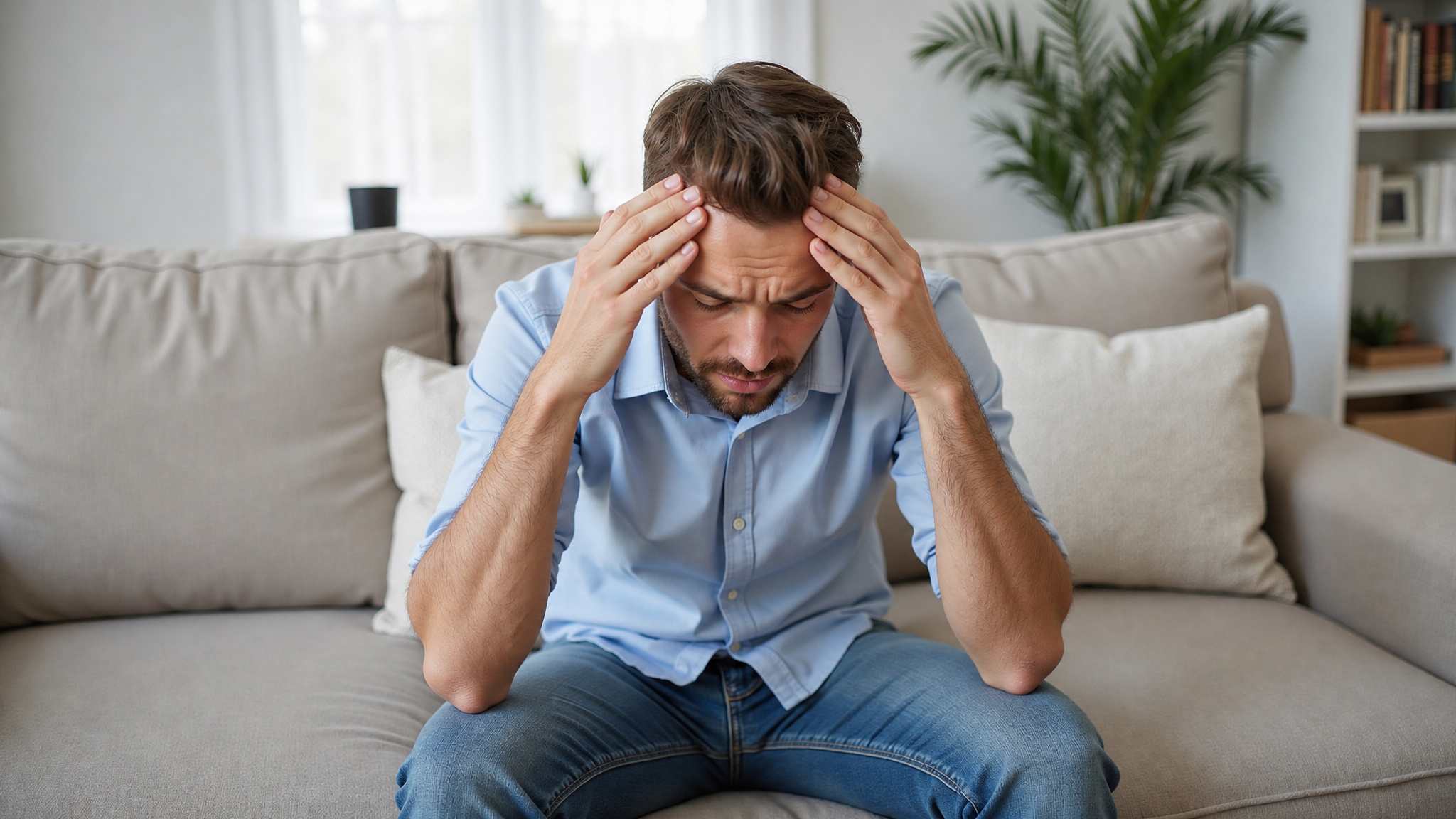
Sobriety fatigue usually outlasts the 5–7 days of acute alcohol withdrawal. You’ll likely feel it most during the first 4–6 months, though some people notice tiredness for 6 months or longer. It isn’t ordinary tiredness, so a good night’s rest won’t simply clear it. Broken sleep, low mood, and cravings can all add to the drain. Your timeline depends on what you used and for how long. Below, you’ll see what speeds recovery and when exhaustion signals something more.
Key Takeaways
- Sobriety fatigue often outlasts acute alcohol withdrawal, which typically lasts 5–7 days.
- Post-acute tiredness and poor sleep tend to peak during the first 4–6 months, then gradually ease.
- Protracted symptoms can last 3–6 months or longer, depending on substance, heaviness of use, tapering, and recovery supports.
- Energy usually improves unevenly, with exhaustion in week one, gradual gains by weeks 2–4, and waxing tiredness through month six.
- Persistent or worsening fatigue warrants medical evaluation, since sleep disorders, anemia, thyroid problems, or liver changes may contribute.
How long does sobriety fatigue last

Sobriety fatigue often outlasts acute alcohol withdrawal, which usually lasts 5–7 days. Post-acute symptoms, including tiredness and poor sleep, tend to peak during your first 4–6 months, then gradually ease. There’s no fixed answer, but evidence offers a realistic range, and some reviews describe protracted symptoms lasting 3–6 months or longer.
Sleep disruption can contribute to this exhaustion. Studies show sleep quality improves by week four but stays disrupted, and total sleep time may take 1–2 years to normalize for some. That doesn’t mean you’ll feel severely fatigued that long.
Your timeline depends on the substance, how long you used, tapering, and co-occurring conditions. If your fatigue persists or worsens, see a clinician. Don’t assume sobriety explains it.
What sobriety fatigue is and why it is not just ordinary tiredness
Sobriety fatigue is a lingering exhaustion that can persist after acute withdrawal ends, and unlike the tiredness you’d get after a late night, it doesn’t clear up with ordinary rest.
Sobriety fatigue lingers after acute withdrawal ends, and unlike ordinary tiredness, it won’t simply clear up with a good night’s rest.
It’s often part of post-acute withdrawal, which can last weeks or months, and it rarely travels alone. You might also notice sleep problems, trouble concentrating, low mood, anxiety, irritability, or cravings, which drain energy.
Sleep plays a central role. During alcohol recovery, you may wake often or get less total sleep, and these disruptions can continue long after detox. That’s why a single good night won’t always fully restore you.
Still, don’t assume every tired day comes from sobriety. Sleep disorders, mental-health conditions, or other medical problems can contribute, so persistent or worsening fatigue deserves a clinical evaluation.
How energy typically changes week by week

Energy typically hits its lowest point in week 1, improves gradually and unevenly over weeks 2–4, and can wax and wane through months 1–6. The early low comes as your body moves through acute withdrawal, which commonly lasts about 5–7 days for alcohol and 4–10 days for most opioids.
| Timeframe | What you may notice | Evidence |
|---|---|---|
| Week 1 | Exhaustion, broken sleep | Acute withdrawal phase |
| Weeks 2–4 | Gradual, uneven gains | Sleep efficiency rose 75.78% to 77.43% |
| Months 1–6 | Waxing, waning tiredness | Post-acute symptoms often peak early |
Why repair work uses so much of your energy
Your body and brain are readjusting to functioning without a substance, and you’re often running that recovery on broken sleep, which helps explain why tiredness can outlast acute withdrawal. Several factors can drain your reserves at once:
Your brain and body are relearning how to function without a substance, often on broken sleep, so tiredness can outlast acute withdrawal.
- Fragmented sleep. Poor sleep continuity and reduced total sleep time leave you less restored each morning.
- Emotional load. Anxiety, low mood, irritability, and cravings during protracted withdrawal take real effort to manage.
- Cognitive strain. Concentration difficulties make ordinary tasks feel heavier than they used to.
These symptoms can wax and wane, so a good week followed by a harder one doesn’t mean you’ve failed. Still, don’t assume fatigue comes from sobriety. Pre-existing sleep disorders or other health conditions can contribute, and persistent or worsening tiredness deserves clinical assessment.
Which factors make it last longer for some people

Fatigue lasts longer for some people because of the substance they used, how long and how heavily they used it, whether they tapered, sleep problems, mental health symptoms, pre-existing health conditions, and the recovery supports they have. Alcohol’s acute withdrawal often lasts 5–7 days, while benzodiazepine withdrawal can stretch 1–4 weeks or longer during tapering.
Sleep plays a central role. If you’re among the 36–72% of people with alcohol dependence who experience insomnia, disrupted sleep can keep you tired for months. Anxiety, depression, and cravings can drain your energy further. Pre-existing health problems or sleep disorders may compound fatigue, too. Your recovery supports also make a difference.
If your fatigue persists or worsens, don’t assume it’s just sobriety; get a clinical assessment.
How it differs from depression, which also drains energy
Recovery fatigue mainly saps your energy and tends to ease over months, but depression brings persistent sadness, hopelessness, or loss of pleasure and may persist or worsen. Depression is one of the mental health factors that can prolong recovery fatigue, but it’s also a distinct condition that drains energy in its own way. Low mood can appear during protracted withdrawal, so the two often overlap. A few patterns can help you tell them apart:
- Sleep link: Recovery fatigue often tracks disrupted sleep. If your energy rises after better nights, sleep may be driving it.
- Mood and interest: Depression usually brings persistent sadness, hopelessness, or loss of pleasure in activities you once enjoyed, not just tiredness.
- Trajectory: Post-acute fatigue tends to ease gradually over months. Depression may persist or worsen.
You can’t reliably sort this out alone. If low mood lasts two weeks or more, talk with a clinician. If you’re having thoughts of self-harm, seek help immediately.
When persistent exhaustion means it is time for blood work
Persistent exhaustion may call for blood work when your tiredness worsens instead of easing, or when it’s limiting your daily life months into sobriety. Post-acute symptoms, including fatigue, are often most pronounced during the first 4–6 months and gradually decline, but your body’s recovery doesn’t always explain every bout of exhaustion. Don’t automatically blame withdrawal. Ask your clinician for an assessment.
Other medical, mental-health, and sleep conditions can drive fatigue, and some may have existed before you stopped drinking. Blood work can help your clinician check for contributors such as anemia, thyroid problems, or liver changes linked to past alcohol use. Mention snoring, daytime sleepiness, or low mood, since these may point to a sleep disorder or depression.
Seek urgent care if you develop confusion, seizures, hallucinations, or a racing heart during withdrawal.
Conclusion
For most people sobriety fatigue lasts well beyond the first week of withdrawal, feeling worst around months 4 to 6 and sometimes lingering past six, depending on what you used, how heavily, and how well you sleep. It comes and goes and won’t clear with one good night, so a rough patch isn’t backsliding. If it keeps worsening or runs on for months, don’t just blame sobriety, get checked for sleep problems, thyroid issues, anemia, or depression.
Get Your Energy Back in Recovery
If the exhaustion is wearing you down, you don’t have to push through it alone. Lotus Recovery offers Alcohol Rehab in Thousand Oaks that helps steady your sleep, mood, and energy through early recovery. Call (805) 371-6377 today and we’ll help you start feeling like yourself again.
Frequently Asked Questions
Is It Safe to Use Caffeine to Fight Fatigue in Early Sobriety?
Moderate caffeine is generally safe for most healthy adults, but you’ll want to use it carefully in early sobriety. Sleep often stays disrupted for weeks to months after you stop drinking, and caffeine can worsen insomnia, anxiety, and irritability. Keep intake modest, avoid it after midday, and watch how you sleep. If fatigue persists or worsens, talk with a clinician, since other conditions may contribute, including sleep or mood disorders.
Should I Nap During the Day if Sobriety Fatigue Hits Hard?
A short nap can help, but keep it brief and early. Early abstinence often disrupts your nighttime sleep, and long or late-afternoon naps can make insomnia harder to shake. Aim for 20–30 minutes before mid-afternoon. If you’re still needing naps daily after several weeks, or fatigue’s worsening, talk with a clinician. Sleep disorders, depression, or other medical conditions may be contributing, and you deserve a proper assessment, not just reassurance.
Can Exercise Help Restore Energy, or Will It Worsen Exhaustion?
Gentle exercise can help, but pushing too hard may deepen your exhaustion. Since recovery fatigue can stem from disrupted sleep, low mood, and anxiety, light activity like short walks may support better rest and energy over time. Start small, notice how you feel afterward, and scale back on rough days. If fatigue persists or worsens, you’ll want a clinical assessment, because other medical or sleep conditions could also be contributing.
How Can I Manage Work Responsibilities While Dealing With Sobriety Fatigue?
You can protect your work performance by planning around fluctuating energy, since recovery fatigue often waxes and wanes. Schedule demanding tasks when you’re most alert, break projects into smaller steps, and take brief breaks. Prioritize consistent sleep, because disrupted sleep can persist for weeks or months. If it’s feasible, discuss temporary adjustments with your manager. If fatigue persists or worsens, see a clinician promptly; don’t assume sobriety’s the only cause.
Does Sobriety Fatigue Increase the Risk of Relapse, and How Can I Cope?
It can, indirectly. Fatigue often travels with poor sleep, low mood, irritability, and cravings during protracted withdrawal, and that combination can make recovery harder to sustain. To cope, keep a consistent sleep schedule, pace demanding tasks, and lean on your recovery supports when energy dips. Don’t panic when symptoms wax and wane. If fatigue persists or worsens, see a clinician, since sleep disorders or other conditions may contribute and need separate treatment.