
Right now, a single memory can take over an ordinary afternoon, unsettle your sleep, and set off reactions that do not fit the moment. Recovery looks like the same memory recalled calmly, and a day that is fully yours again. Trauma therapy near Ventura is how you get there, through outpatient EMDR, CBT, and DBT delivered by secure video across Ventura County or in person at our Conejo Valley office, for adults 18 and older.
DHCS licensed (560078AP) · Joint Commission accredited · EMDR, CBT, and DBT · Online or in person · Most major insurance accepted · Medically reviewed by Codie Vassar, MD · Admissions answered 24/7
Getting Trauma Care From Ventura, In Person or Online
Ventura residents have two easy ways to begin: by secure video from anywhere in the county, or in person at our Conejo Valley office. Video brings the full experience to you, carrying the same talk-based therapy you would get in the room, with EMDR adapted for video, so your care fits neatly into the week. Many people enjoy blending the two, coming in when it suits them and meeting by video the rest of the time, so sessions stay consistent and convenient. You set that balance with your clinician at intake, and it can shift as your schedule does.
Online sessions keep your care private, steady, and simple to fit around work and family. In-person visits are a great choice when you would enjoy a calm, private space of your own, or when you are early in care and value face-to-face connection while you find your footing. Either way, you finish a session and step right back into your day.
Recognizing When Trauma Needs Treatment
Trauma is worth treating once it starts shaping your days instead of fading behind you. That might look like a memory that surfaces at the wrong moment, sleep that is hard to settle into, a shorter fuse with the people closest to you, or a quiet pull to steer around anything that stirs the event. Some people carry one difficult experience, others carry years of it reaching back to childhood, and both are a fit for care. A diagnosis is not a prerequisite. You can begin at any stage; the opening session is simply where we get to know what you are dealing with and find the level of care that fits best. Many of the adults who reach us from around Ventura carry this while holding down work and family, so the schedule is built to flex, and much of the work can run by video.
Outpatient care is a great fit when you have a stable home base and want to keep living your life while you heal. If a higher level of support would help you get started, we guide you to the right one as soon as you are ready. If you ever want urgent help, 988 and your local emergency room are available any time, with our team ready to continue your care once you are steady.
How We Treat PTSD With EMDR
EMDR, eye movement desensitization and reprocessing, is the method we reach for most with PTSD, because its research base for trauma ranks among the strongest of any therapy. Instead of talking a memory through in detail, EMDR pairs brief attention on the memory with a back-and-forth cue, which lets the brain refile it so it stops firing the same alarm. The work builds in stages. Your clinician first helps you steady yourself with grounding skills, and only once that footing holds does reprocessing begin. A recent, single event often settles in a handful of sessions, while trauma stacked up over years is taken slowly, stability before depth. Clinicians trained in EMDR run every session, whether you join from Ventura by video or come in to our Conejo Valley office.
Other Evidence-Based Methods for Trauma Recovery
EMDR is not the only tool, and the plan is matched to what you carry rather than stamped out the same for everyone. Cognitive behavioral therapy targets the beliefs and avoidance habits trauma wires in, including trauma-focused versions built specifically for PTSD, while dialectical behavior therapy hands you concrete skills that make intense emotion and physical tension feel manageable. Individual sessions anchor the plan, with group work and family sessions folded in where they move things forward. Psychiatry and medication management are on hand when panic or lost sleep need it. Your clinician adjusts the blend as you steady, so the week's work tracks where you actually are.
Matching the Level of Care to Your Needs
Trauma care here flexes with you, running across outpatient levels you move between as you progress.
| Level | Time commitment | A great fit when | Format |
|---|---|---|---|
| Weekly outpatient therapy | One or two sessions a week | You want steady, ongoing work that fits easily around daily life | Video or on-site |
| Intensive outpatient (IOP) | About three hours a day, up to five days a week | You want strong structure while you keep living at home | Video or on-site |
| Partial hospitalization (PHP) | Full days, five days a week | You want the most structured outpatient support, with daily guidance | On-site in the Conejo Valley |
| Telehealth track | Scheduled video sessions | You prefer the convenience of meeting from home | Secure video, across Ventura County |
Your clinician sets the starting level at intake and adjusts it as you grow steadier, so more support is always there when you want it while you keep living at home, and the telehealth track keeps every level easy to reach from Ventura. Moving up into IOP or PHP happens under the same team, so your care carries straight through as your needs change. Trauma therapy is one part of our broader outpatient rehab in Thousand Oaks, which Ventura residents reach by video or in person.
Mental Health Care Alongside Trauma in Ventura
Care here runs wider than trauma alone, reaching depression, anxiety, and the conditions that so often ride with PTSD, all under one team. The clinicians who handle your trauma work also treat depression and anxiety through our broader mental health program, with psychiatric care available when it belongs in the plan. Because it is one team and one record, your trauma work and everything around it move together in a single, connected plan.
Trauma often shows up alongside other things, such as anxiety, low mood, panic, or changes in drinking or drug use. Caring for them together gives you the steadiest, most lasting progress. We treat them at once through dual diagnosis care, coordinated by a single clinical team so your whole plan stays connected. For those who served, combat and service-related trauma are treated through our veterans and active-duty program, which pairs PTSD work with the sleep, anger, and readjustment issues that commonly come with it.
Clinical Oversight, Licensing, and Accreditation
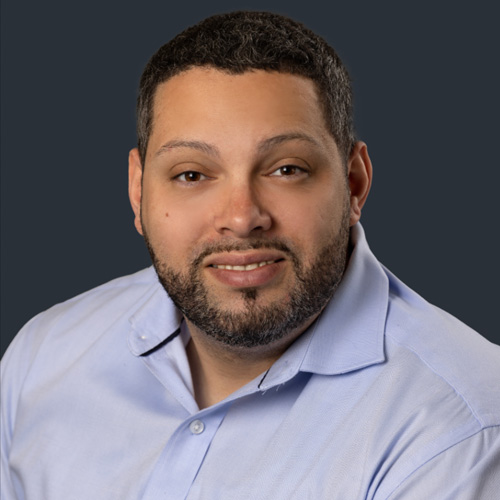
Medically reviewed by Codie Vassar, MD
Board-Certified Adult Psychiatrist · Medical Director · Written by Shelley Woodman, LCSW, Clinical Program Supervisor
Your trauma care is delivered by licensed clinicians, supervised by Shelley Woodman, LCSW, our Clinical Program Supervisor, and reviewed for medical accuracy by Codie Vassar, MD, a board-certified adult psychiatrist who directs the medical program. Dr. Vassar trained in psychiatry at the Medical College of Wisconsin, holds a master's in Clinical Informatics from the University of Wisconsin-Madison, and belongs to the American Society of Addiction Medicine. Therapists working under psychiatric oversight is the line between program-based trauma care and a lone practitioner. It is why medication and therapy stay on one coordinated plan for everyone we treat, in the Conejo Valley or by video across Ventura County. The program holds California DHCS license 560078AP and Joint Commission accreditation. Connect with Dr. Vassar on LinkedIn.
Verifying Your Insurance Benefits
Outpatient trauma therapy is covered by most commercial plans. We run the benefits check for Ventura residents before anything begins, billing major carriers on both an in-network and out-of-network basis, among them Blue Cross Blue Shield, Aetna, UnitedHealthcare, Optum, Blue Shield of California, Kaiser Permanente, GEHA, UMR, and Anthem. Because no two plans read alike, we confirm your coverage up front and spell out in plain terms what yours includes, so you know what your plan covers before you begin.
Reaching Our Office From the Ventura Coast
Our office at 290 Conejo Ridge Avenue in Thousand Oaks is an easy, direct drive from Ventura on the US-101, and we care for Ventura residents both there and by video. For meeting from home, the telehealth track brings the outpatient and IOP sessions to you, while the most structured level, partial hospitalization, runs on-site in the Conejo Valley. We serve Ventura and the surrounding Ventura County communities.
Our team is here Monday through Friday from 9am to 9pm, and the admissions line is answered around the clock. Use the map below to plan your route, or choose video any time meeting from home is simpler for you.
Get Directions on Google Maps ↗
Starting care is meant to feel easy. Telehealth has opened trauma care to communities with fewer mental health providers nearby, according to the U.S. Department of Health and Human Services. From Ventura, that means a licensed clinician is a simple click away, so you can begin right away and keep every session on your schedule, with the Conejo Valley office there for you whenever you would like to come in.
Ventura Trauma Therapy Questions, Answered
Can I Complete Trauma Therapy Entirely Online From Ventura?
Yes, at the outpatient and IOP levels. EMDR and the talk-based work run over secure video for residents anywhere in Ventura County, so you can complete that course from home. The most structured level, partial hospitalization, is on-site in the Conejo Valley, and you can add in-person sessions at any level whenever it suits your week.
Does Trauma Therapy by Video Work as Well as Meeting in Person?
For most people, yes. Research on telehealth therapy, including trauma-focused care, generally points to outcomes comparable to in-person sessions, and EMDR can be adapted for video. It also lets you begin from the comfort of home, which makes care easy to start and easy to keep, and your clinician will suggest an in-person visit in the occasional case where it is the better fit.
How Can I Tell Whether I Have PTSD or I Am Just Stressed?
Ordinary stress tends to ease once the pressure lifts, while PTSD keeps the body on alert long after the event, through flashbacks, avoidance, broken sleep, and a sense of danger that will not switch off. If those reactions have lasted more than a month and are shaping your daily life, an assessment is worth booking. You do not need a diagnosis already in hand to start one.
What Does an EMDR Session Actually Feel Like?
You hold a slice of a hard memory in mind for short bursts while following a back-and-forth cue, and the charge the memory carries tends to drop as you go. You stay aware and in control throughout, you are not made to narrate every detail, and feeling emotion, including tears, is a normal part of the work rather than a sign that something is wrong.
What Should I Expect in the Day or Two After an EMDR Session?
Processing can keep going quietly for a day or two, so some people feel tired or tender, or notice dreams and stray memories surface before things settle. Lighter days, steady sleep, and the grounding skills your clinician teaches all help. Whatever comes up is useful material for the next session.
Can Trauma Therapy Help With Something That Happened Years Ago?
Yes. Trauma from childhood or from events long past responds to the same methods as recent trauma, though older, layered experiences are usually worked through more gradually. The aim is the same either way: to take the charge out of the memory so it stops steering the present.
Do You Provide PTSD Care for Veterans Living Around Ventura?
Yes. Service members and veterans carrying combat or service-related trauma are treated through a dedicated track, in person or by video from across Ventura County. Care addresses PTSD alongside the sleep, anger, and readjustment struggles that often come with it.
Reach Out When You Are Ready
Starting is a short conversation, not a commitment you have to be certain about. Call or send a message, and we will check your coverage, pair you with a trauma clinician, and find a weekly time, by video or at the office, that works from Ventura. The admissions line is open at any hour.