
Reaching out for help with trauma takes courage, and the right support makes that first step worth taking. You can quiet the hold that PTSD keeps on your days and nights. Trauma therapy near Encino gives adults an outpatient path built on EMDR and Seeking Safety, with sessions by day, in the evening, or online. Most insurance is accepted.
DHCS licensed (560078AP) · Joint Commission accredited · EMDR and Seeking Safety for trauma · Insurance accepted, including TRICARE West · Medically reviewed by Codie Vassar, MD · Admissions answered 24/7
PTSD and Trauma Symptoms We Treat for Encino Adults
Trauma can follow one frightening event or build over years, and the way it shows up is different for everyone. In Encino and the surrounding San Fernando Valley, many working adults and parents live with these symptoms for a long time before reaching out. There is no wrong moment to start. Many people notice memories that push their way in, dreams that replay the event, or a strong pull to avoid anything that brings it back. Others feel keyed up and watchful, startle easily, sleep poorly, or go flat and distant from the people they love.
Our trauma and PTSD care meets all of these, whether the source is an accident, a loss, combat or service, a single assault, or the ongoing or childhood abuse that can lead to complex PTSD. Naming what you are living with is the first move toward relief, and you do not have to have it all sorted out before you reach us. We help you make sense of the pattern, then build a plan to ease it. The work is grounded in proven PTSD therapy and trauma treatment.
EMDR and Seeking Safety at the Center of Trauma Therapy
Two proven methods anchor our trauma work. EMDR therapy for Encino adults helps your brain reprocess a distressing memory so it loses its sharp charge and stops hijacking the present, often without needing to retell the event in detail. Seeking Safety is a present-focused model that builds stability and coping skills first, which makes it a strong fit when trauma and substance use travel together. Around these, your clinician draws on cognitive and dialectical skills work. Attachment-based therapy comes in when the trauma sits in close or early relationships. Together they steady mood, quiet anxiety, and rebuild a sense of control day to day.
Care tends to move through clear stages: first building safety and steadiness, often with Seeking Safety, then processing the memories themselves with EMDR, and finally strengthening those gains so they hold in everyday life. You and your therapist set the pace, and nothing moves faster than you are ready for.
How Outpatient Trauma Therapy Fits Your Life Near Encino
Because every level of our care is outpatient, you get real clinical structure and still sleep in your own bed each night. You begin at the level your assessment points to, ease down as you steady, and finish with an aftercare plan that protects your progress.
| Level of care | Schedule | Who it fits |
|---|---|---|
| Partial hospitalization (PHP) | The most daytime support, an intensive start | Early, focused trauma work |
| Intensive outpatient (IOP) | Up to five days a week | Keeping structure while you work or care for family |
| Standard outpatient (OP) | A lighter, steady rhythm | Protecting your progress as you gain ground |
| Evening program and online | Evening or secure video sessions | Full workdays or family duties |
An evening program and online sessions open up outpatient PTSD treatment for adults who work full days or carry family duties. Many people searching locally assume trauma care means leaving home for a residential stay. In fact, most adults recover well in structured outpatient care that keeps them close to work, family, and the people who support them, with care that stays private and confidential throughout. If a medically supervised detox or a residential stay is ever the safer first step, we help you arrange that care, then bring you into outpatient trauma therapy as soon as you are ready.
Trauma Therapy for Veterans and Active-Duty Service Members
Service-related trauma carries its own weight, and it deserves care that understands the setting it came from. Our veterans and active-duty military program treats combat stress and other service-related trauma, along with the readjustment strains of service. Any co-occurring addiction is handled by the same coordinated team. We accept TRICARE West, so eligible service members and military families can use their benefits here. Trauma therapy here meets active-duty service members, recent veterans, and those years past their service with the same respect and discretion.
Family Therapy That Supports Trauma Recovery
Trauma touches the people closest to you, and healing often goes better when they are part of it. Our family therapy brings a trained clinician together with you and the loved ones who support you, with each session aimed at clearer communication and healthier boundaries. Sessions can start with whoever is willing and helpful, such as a partner or a parent. More family members can join as the work continues. Family therapy often runs alongside your individual trauma sessions, so the two reinforce each other. Family systems therapy gives the work an evidence-based frame. Couples and relationship counseling is available in the same way when that is where the strain sits.
Trauma Therapy Alongside Anxiety, Depression, and Addiction
Trauma rarely arrives alone, and treating the whole picture at once produces the most lasting relief. When post-traumatic stress comes with panic or constant worry, our anxiety treatment folds directly into your trauma plan; when it drags mood down, depression treatment does the same. A psychiatrist is part of our team for evaluation and medication when that would help, so your mental health care stays coordinated under one roof rather than scattered across providers. When drinking or drug use has become the way you cope, our dual diagnosis care treats both together. Medication-assisted treatment is available alongside your therapy, with Suboxone for opioid use and Vivitrol for opioid or alcohol use.
Using Your Insurance for Trauma Therapy
For most Encino adults, a commercial plan carries a real share of outpatient trauma and mental health care, and the open question is usually the size of the deductible or copay rather than whether treatment is covered. We read your exact benefits before anything begins, so you know where you stand from day one. Confirmed carriers include Blue Cross Blue Shield, Blue Shield of California, Anthem, and Kaiser. TRICARE West is accepted too, for service members and military families. If prior authorization is needed, our admissions team handles it for you. Send the short verification form or call, and we will walk you through what your plan covers.
The Clinicians Who Guide Your Trauma Therapy
Every treatment plan here runs under licensed clinicians, with a supervising physician guiding the psychiatric side of care. Trauma-focused therapists lead your sessions, the medical team handles any evaluation or medication, and the two coordinate regularly so a single plan steers your whole course of care. State licensing from the California DHCS and accreditation from The Joint Commission stand behind that work, and a board-certified psychiatrist reviews the medical information on this page.
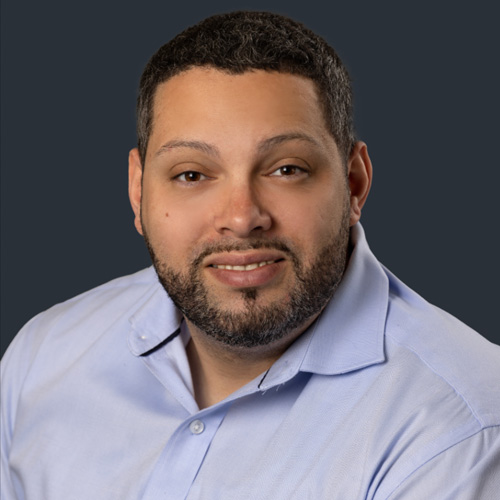
Medically reviewed by Codie Vassar, MD
Board-Certified Adult Psychiatrist · Medical Director · Written by Shelley Woodman, LCSW, Clinical Program Supervisor
The medical information on this page is reviewed by Codie Vassar, MD, a board-certified adult psychiatrist and Medical Director at Lotus Recovery Treatment Center. Dr. Vassar earned a medical degree and completed psychiatry residency at the Medical College of Wisconsin. A master's in Clinical Informatics from the University of Wisconsin-Madison rounds out that training. A member of the American Society of Addiction Medicine and a 15-year veteran of the Wisconsin Army National Guard Medical Corps, Dr. Vassar speaks Spanish natively. Lotus Recovery is licensed by the California Department of Health Care Services (license 560078AP) and accredited by The Joint Commission. Connect with Dr. Vassar on LinkedIn.
Reaching Our Trauma Therapy Office From Encino
For Encino, our office is an easy connection west on the US-101. The address is 290 Conejo Ridge Avenue, Thousand Oaks, CA 91361, a short drive from home. Adults reach us from across Encino, along with Tarzana, Sherman Oaks, and Lake Balboa. The wider San Fernando Valley is covered too, and online sessions open the door for anyone who would rather meet from home. This trauma program sits within our outpatient rehab in Thousand Oaks. The office runs Monday through Friday from 9am to 9pm, with the admissions line open every hour of every day.
Heading from Encino, follow the US-101 west to the central Thousand Oaks exits, and let the map below guide the last stretch to our door.
Trauma Therapy Near Encino: Questions People Ask
What are the signs that I might have PTSD?
Common signs include memories or nightmares that intrude, a strong urge to avoid reminders, feeling on edge or easily startled, and emotional numbness or distance from others. When these linger for more than a month and get in the way of daily life, a clinical assessment can tell you what is going on and what will help.
How is trauma therapy different from regular talk therapy?
Trauma therapy uses structured, evidence-based methods built specifically for how the brain stores and holds distressing experiences, rather than open-ended conversation alone. Approaches like EMDR and Seeking Safety are structured to target the trauma response directly, rather than only talking around it.
What is Seeking Safety, and who is it for?
Seeking Safety is a present-focused, evidence-based model that builds coping skills and stability without requiring you to recount the trauma in detail. It fits people whose trauma overlaps with substance use or who want to feel steadier before deeper processing begins.
Can complex PTSD or trauma from years ago get better?
Yes. Trauma held for years, including complex PTSD from ongoing or childhood experiences, still responds to treatment, because these methods work with how the memory is stored now rather than how long ago it began. Many people find meaningful relief from experiences they once assumed they simply had to live with.
Do you offer trauma therapy for veterans and service members?
Yes. Our dedicated veterans and active-duty program treats service-related trauma, including combat stress and the readjustment strains of service. It also coordinates care for any co-occurring addiction. Your trauma therapy and any addiction treatment stay aligned under one coordinated team.
Can family be part of trauma therapy?
Yes. Family sessions can include whoever is willing and supportive, such as a partner or a parent. They often run alongside your individual trauma work to improve communication and rebuild trust. More loved ones can join as the work continues.
Can I do trauma therapy around a work schedule?
Yes. Appointments run during the day, in the evening, or online, so you can keep showing up for work and the people who count on you. Many Encino clients book around a full calendar, and the plan flexes as your week shifts.
How do I start trauma therapy near Encino?
Call our admissions team or complete the insurance verification form, and we will set up a clinical assessment that reviews your history, your health, and your goals. From there we map out the right level of care and get your first sessions on the calendar.
Reach Out to Start Trauma Therapy Near Encino
Relief from trauma is possible, and the first step is a single conversation. One call to our admissions team, answered any hour, opens the door, and a quick insurance check tells you where you stand. Tell us what has been weighing on you. We will shape an outpatient trauma plan that fits your life in Encino and walk the next steps with you.