
Recovery can fit right alongside your job, your family, and your life at home. That is the promise of outpatient drug rehab near the San Fernando Valley: evidence-based drug and alcohol treatment built around your real schedule, with CBT, EMDR, and medication support, in person or online. Most insurance is accepted, so you can verify your benefits and begin recovery this week.
Joint Commission accredited · DHCS licensed (560078AP) · On-site medication-assisted treatment · Most major insurance accepted · Medically reviewed by Codie Vassar, MD · Admissions answered 24/7
Outpatient Rehab That Keeps Your Life Intact
The defining feature of outpatient care is that treatment fits into your existing life rather than pausing it, which is exactly what many San Fernando Valley adults need. You come in on a set schedule and head home afterward, so a job, school, or caregiving carries on alongside recovery. This path suits anyone whose situation is steady enough to be at home, and it works especially well as the next stage after a medically supervised detox or residential stay.
The approach has real advantages for valley families: care fits around work hours, support networks at home stay close, and the skills you practice get tested in real life right away rather than only inside a facility.
A typical week is built around a mix of individual counseling, group sessions, and skill-building, scheduled so it slots into your routine instead of replacing it. You meet one-on-one with a counselor, share progress in a supportive group of people working toward the same goal, and learn practical tools for the moments cravings or stress arrive. Many San Fernando Valley residents combine in-person visits with secure video sessions, keeping the rhythm of treatment steady even on a busy week. The plan is set at your first assessment and revisited regularly, so the care you get always matches where you are in recovery.
Substances We Help San Fernando Valley Adults Overcome
Addiction treatment here covers the full range of drug and alcohol dependence common across the valley, with a plan shaped around the substance and the person. Each one responds to a focused approach, and co-occurring conditions get treated at the same time.
- Alcohol: structured outpatient care with medication support when it helps, so drinking loses its grip steadily and safely.
- Opioids: including fentanyl and prescription painkillers, supported by medication-assisted treatment and counseling together.
- Stimulants: cocaine, methamphetamine, and prescription stimulants such as Adderall, treated with therapy that targets cravings and routines.
- Cannabis and nicotine: addressed with the same evidence-based structure, often alongside another primary substance.
When addiction sits next to depression, anxiety, trauma, or ADHD, the two are treated together through dual diagnosis care, because handling both is what makes recovery hold. This matters for a lot of San Fernando Valley adults, since a substance problem and a mental health condition frequently appear together and each can keep the other going. Treating them side by side, with the therapist and prescriber working from one plan, gives recovery a far steadier foundation than addressing either alone.
Rehab Levels That Match Where You Are
Drug rehab in the San Fernando Valley works best when the level of care matches the person, so patients choose from three outpatient levels, set at assessment and adjusted as recovery strengthens. The whole program runs on the same outpatient rehab in Thousand Oaks model, so the intensity fits your stage of recovery rather than a fixed template.
| Level of care | Schedule | Who it fits |
|---|---|---|
| Partial hospitalization (PHP) | The most daily structure, daytime | Early recovery, or when support needs to be close |
| Intensive outpatient (IOP) | Up to five days a week, daytime or online | Residents balancing work with recovery |
| Standard outpatient and evening | A lighter, flexible rhythm with an evening track | Settling into lasting recovery |
Most people step down through these levels over time, moving from more structure to more independence as confidence grows. Scheduling is built to fit real life in the valley, with daytime and evening sessions and secure video options, so treatment works around a job, school, or family rather than the other way around.
How Medication-Assisted Treatment Supports Recovery
For opioid and alcohol addiction, medication-assisted treatment pairs FDA-approved medication with counseling to ease cravings and steady the early weeks. The medications used here are Suboxone and Vivitrol, always combined with therapy rather than used on their own, so the medical support and the personal work move together. Deciding whether medication fits your recovery is a conversation with the care team, and the choice stays yours.
Medication-assisted treatment works by easing cravings and the physical pull of early recovery, which frees your attention for the counseling that builds lasting change. For San Fernando Valley residents continuing to work or care for family, that steadiness matters, since it makes the early weeks comfortable to manage right alongside daily life. Suboxone supports people recovering from opioid use, while Vivitrol can help with both opioid and alcohol recovery. Either one is prescribed and monitored by the medical team as part of one coordinated plan. Because the prescriber and the counselors work in the same program, any adjustment is made in step with how the rest of your recovery is going.
Where Detox Fits Before San Fernando Valley Rehab
When the body needs to clear substances first, a safe, medically supervised detox is arranged as a first step before outpatient care begins. For San Fernando Valley residents, detox and any residential stay are coordinated through established medical partners. Once that step is complete, you move into our outpatient program at the Thousand Oaks center, a short drive from the valley. Keeping one team across the handoff matters, because the structure and support carry straight through, so recovery stays on solid ground from the start.
The Therapy Behind Lasting Change
Real recovery comes from proven therapy, not willpower alone. Care draws on cognitive behavioral therapy to reshape the thinking that feeds use, dialectical behavior therapy for the skills to ride out cravings, and EMDR when past trauma drives the addiction. Group sessions build connection, family sessions bring loved ones into the plan, and relapse-prevention work turns early wins into habits that last. Veterans and active-duty service members have a dedicated track as well.
What ties these methods together is a focus on real life: the everyday moments, relationships, and routines across the San Fernando Valley where lasting recovery is built. Sessions give you concrete plans for the situations that matter, you practice them between appointments, and you bring the results back to refine them. That steady loop of learning and applying is what turns a decision to get sober into a routine that holds, and it is why outpatient rehab, grounded in real life, works so well for valley residents.
Recovery Is Gaining Ground Across Los Angeles County
There is real momentum behind recovery in the region that includes the San Fernando Valley. The Los Angeles County Department of Public Health reported 2,438 drug-related overdose deaths in 2024, down 22% from 3,137 the year before, with fentanyl-related deaths falling 37%. The department called it the most significant decline in drug-related overdose deaths in county history. Treatment access is a central reason that kind of progress holds. Every person who begins care is part of that trend, and starting close to home makes reaching out far easier.
Reaching Our Center From the San Fernando Valley
The center sits at 290 Conejo Ridge Avenue in Thousand Oaks, just off US-101 and a straightforward drive for most of the San Fernando Valley. Patients reach us from Woodland Hills, Warner Center, Tarzana, Canoga Park, and West Hills, taking the 101 west to the central Thousand Oaks exits. When an in-person trip does not fit a given week, the same program runs by secure video across Los Angeles and Ventura counties. The whole program is part of our outpatient rehab in Thousand Oaks, which anchors the care offered across these valley communities.
The map below plots turn-by-turn directions from wherever you start in the San Fernando Valley.
Insurance for Addiction Treatment
For most valley households, the real question about outpatient drug and alcohol rehab is what a commercial plan leaves them to pay, not whether it covers treatment at all. We read your benefits before the first session and lay out the deductible, any copay, and what prior authorization your plan asks for. The carriers we work with, in and out of network, include Blue Cross Blue Shield, Aetna, UnitedHealthcare, Optum, UMR, Anthem, GEHA, Blue Shield of California, and Kaiser Permanente. Send the verification form and admissions will confirm your coverage in plain terms, with same-day assessments available.
Medical Leadership Behind Valley Rehab
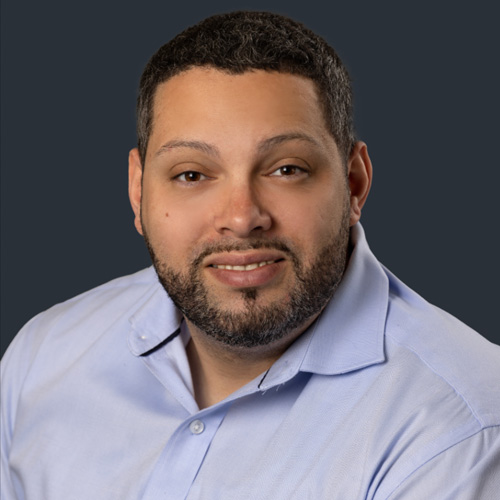
Medically reviewed by Codie Vassar, MD
Board-Certified Adult Psychiatrist · Medical Director · Written by Shelley Woodman, LCSW, Clinical Program Supervisor
Medical and psychiatric care is led by Codie Vassar, MD, a board-certified adult psychiatrist and Medical Director at Lotus Recovery Treatment Center. Dr. Vassar earned a medical degree and completed psychiatry residency at the Medical College of Wisconsin. A member of the American Society of Addiction Medicine, Dr. Vassar brings both addiction and mental health expertise to the treatment plans written here. Lotus Recovery holds licensure from the California Department of Health Care Services (license 560078AP) and accreditation from The Joint Commission. Connect with Dr. Vassar on LinkedIn.
San Fernando Valley Rehab, Answered
Does Outpatient Rehab Work for Serious Addiction?
It can, for many people whose situation is stable enough to live at home. With the right level of care, such as partial hospitalization for early recovery, outpatient treatment delivers real intensity while keeping support close. When a higher level of care is needed first, a medically supervised detox is arranged before outpatient rehab begins.
Is Drug Rehab in San Fernando Valley Available on an Outpatient Basis?
Yes. Valley residents can attend structured outpatient drug and alcohol rehab and return home each day, choosing in-person visits at the Thousand Oaks center or secure video from home. It is designed to fit around work, school, and family while still delivering real treatment.
What Kinds of Addiction Does the Program Treat?
The program treats alcohol, opioids including fentanyl, stimulants like cocaine and methamphetamine, cannabis, and nicotine. When a mental health condition such as depression or anxiety is present too, both are treated together in one coordinated plan.
Is Medication-Assisted Treatment Part of the Program?
Yes, for opioid and alcohol addiction. The program uses Suboxone and Vivitrol alongside counseling to ease cravings and support early recovery, and whether medication fits your plan is always a decision you make with the care team.
Do You Help With Detox Before Rehab Begins?
When detox is needed, a safe, medically supervised detox is arranged as the first supported step, coordinated through established medical partners. Once that is complete, you step smoothly into the outpatient program close to home.
How Do San Fernando Valley Residents Reach the Center?
The center is conveniently located just off US-101 in Thousand Oaks, easily reached from across the valley. Many valley patients also attend mostly by secure video and come in whenever it suits them, so quality rehab fits neatly into the week.
Can Treatment Work Around a Full-Time Job?
Yes. Evening sessions and secure video exist for exactly the valley professional who cannot step away from a full workday. Your assessment sets a schedule around the hours you actually have, and it eases as your recovery strengthens.
How Soon Can Someone Start?
Often right away. Same-day assessments are available, benefits are verified up front, and the admissions team guides each step so there is no waiting to begin recovery once someone is ready.
Begin Outpatient Rehab in the San Fernando Valley
A short, confidential call is all it takes to start. The admissions team listens to what you are facing, recommends a level of care that fits, and checks your benefits, with support at every step.