
Drug and alcohol rehab in Ventura County can happen while you stay close to your job, your family, and the home you love. This outpatient rehab in Thousand Oaks serves adults from across the county with partial hospitalization, an intensive outpatient program (IOP), and standard outpatient care. Most adults can begin the same day they reach out. One Conejo Valley center provides addiction treatment in Ventura County through flexible day and evening sessions you attend and then head home from, so recovery fits into your week.
Joint Commission accredited · DHCS licensed (560078AP) · LegitScript certified · Most insurance accepted · Medically reviewed by Codie Vassar, MD · Admissions answered 24/7
Why Conejo Valley Adults Choose Outpatient Over a Residential Stay
Conejo Valley adults often choose outpatient care because it lets them heal while staying connected to the home, job, and family that support their recovery. People living in Thousand Oaks, Westlake Village, and the surrounding towns receive structured, professional treatment close by, then return home each day. Routines and relationships stay strong throughout the process. For most people with steady support at home, outpatient care is both the comfortable choice and the clinically sound one.
Some people benefit from beginning with a medically supervised detox or a short residential stay, a safe, well-managed first step that prepares the body for the recovery work ahead. When an assessment suggests that path, the team coordinates it with trusted partners, then brings the person into outpatient care once they are ready. What this program offers Ventura County is a complete, supportive outpatient continuum, delivered close to home so daily life stays steady.
PHP, Intensive Outpatient Program (IOP), and Standard Outpatient Care
Outpatient rehab in Ventura County moves through three levels of care at the same Conejo Valley center, stepping down as clients stabilize. What changes from one level to the next is the number of weekly hours, while the clinical team and the standard of care stay constant across all three.
| Level of care | Schedule | Who it fits |
|---|---|---|
| Partial hospitalization (PHP) | Full days, five days a week | Close daily guidance while returning home each evening |
| Intensive outpatient (IOP) | Up to five days a week, shaped around a workday or school | Focused support through individual, group, and family sessions |
| Standard outpatient (OP) | Flexible, longer-term weekly support | Relapse prevention as recovery grows stronger |
Each client's schedule is shaped at the intake assessment and adjusts naturally as progress continues. An evening program offers the same treatment in the evening hours, giving working adults, caregivers, and students across the Conejo Valley a convenient way to attend. The clinical content, therapies, and standard of care are identical; only the timing differs, keeping high-quality treatment comfortably within reach for people with full daytime schedules.
Evidence-Based Therapy With Medication-Assisted Treatment
Treatment for Ventura County clients is built from evidence-based therapy paired with medication when it fits the diagnosis, not one or the other in isolation. Cognitive behavioral therapy anchors the work. It helps you recognize the thoughts and triggers behind use, then rehearse responses that hold up in daily life back home. Dialectical behavior therapy adds skills in distress tolerance and emotion regulation for people who feel their emotions at high volume. EMDR addresses the trauma and PTSD that frequently sit beneath substance use, working on the memories directly so they stop driving the behavior.
For opioid use disorder, medication-assisted treatment uses two trusted medications, Suboxone and Vivitrol, prescribed and managed by the medical team to ease cravings and support comfort while therapy does the deeper work. Medication is always paired with counseling for a well-rounded plan. Family therapy brings partners and relatives into the process. Group sessions connect clients with supportive peers who understand the journey. Breathwork, meditation, and art therapy enrich the whole-person side of care.
Substances and Co-Occurring Conditions Treated
Adults across Ventura County come to this program for drug and alcohol rehab across five substance categories, along with the mental health conditions that commonly travel with them. The substance list covers:
- Alcohol, through alcohol rehab that pairs relapse prevention with helpful medication options
- Opioids, including fentanyl, heroin, and prescription painkillers, through drug rehab supported by medication-assisted treatment
- Stimulants, including cocaine, methamphetamine, and Adderall
- Marijuana, with caring support for regaining control of cannabis use
- Nicotine, including tobacco and vaping, supported alongside other care
Depression, anxiety, PTSD, bipolar disorder, and ADHD are cared for right alongside the substance use, because treating them together supports stronger, more lasting results. When substance use and a mental health condition appear together, dual diagnosis care brings both under one supportive treatment team for truly coordinated care. People working through more than one substance are fully supported here as well. Veterans and active-duty service members are supported through a dedicated veterans and active-duty military program built around their experience.
Insurance Carriers and Benefit Verification
The program bills most major carriers for Ventura County residents, on both in-network and out-of-network terms: Blue Cross Blue Shield, Aetna, UnitedHealthcare, Blue Shield of California, Kaiser Permanente, Optum, UMR, GEHA, and Anthem. Benefits are confirmed before treatment begins, a step that takes about 15 minutes by phone or through the insurance verification form on this page.
Most commercial plans cover outpatient addiction treatment with prior authorization. The admissions team confirms what a specific plan includes ahead of time, so you can begin with clarity. The easiest way to start is to let the team verify your benefits for you.
The Medical Team Behind Your Care
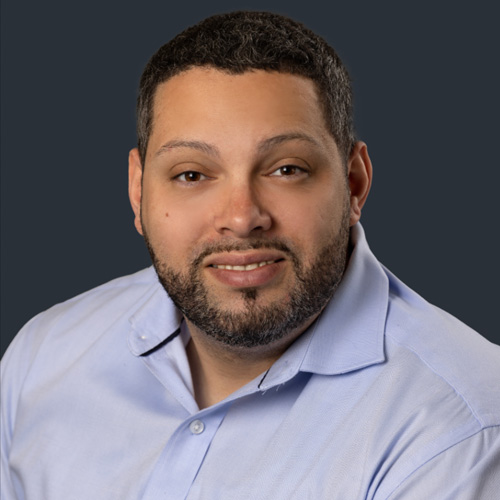
Medically reviewed by Codie Vassar, MD, MS
Board-Certified Adult Psychiatrist · Medical Director, Lotus Recovery Treatment Center
Your Ventura County care is overseen by Codie Vassar, MD, MS, a board-certified adult psychiatrist and Medical Director who reviews the clinic's addiction and mental health content for accuracy. Dr. Vassar trained in psychiatry at the Medical College of Wisconsin, holds a master's in Clinical Informatics from the University of Wisconsin-Madison, belongs to the American Society of Addiction Medicine, and served 15 years in the Wisconsin Army National Guard Medical Corps. Day-to-day treatment is carried by a licensed clinical team: Clinical Director Jessica Mahn, LPCC, Clinical Program Supervisor Shelley Woodman, LCSW, and psychiatric nurse practitioners Lauren Debski, PMHNP and Gwendolyn Beck, PMHNP. The program holds California Department of Health Care Services license 560078AP and accreditation from The Joint Commission. Connect with Dr. Vassar on LinkedIn.
One Center Serving Adults Across Ventura County
Care is based at 290 Conejo Ridge Avenue in Thousand Oaks, CA 91361, and reaches adults throughout Ventura County. The center is easy to get to from across the Conejo Valley by way of U.S. 101 and State Route 23. It serves Thousand Oaks, Westlake Village, Newbury Park, Oak Park, Agoura Hills, and Calabasas, along with Simi Valley. Because treatment is outpatient, you attend scheduled sessions and return home the same day.
Reliable local treatment is part of Ventura County's growing recovery community. The Ventura County Medical Examiner recorded 200 overdose deaths in the county in 2024, 143 of them involving opioids, per the county's 2024 overdose report. Treatment within your own community, supported by people and routines you know, makes it easier to begin recovery while the rest of your life stays steady.
The map below shows Ventura County and the communities the program serves. Tap it for turn-by-turn directions from your part of the county, or call ahead and the admissions team will walk you through what to expect at the first visit.
Questions Ventura County Families Ask
Are Virtual or Telehealth Sessions Available Across Ventura County?
Yes, telehealth is offered for some services, giving clients a flexible, convenient way to stay connected to care from anywhere in the county. The right mix of in-person and virtual support is shaped around your level of care and your treatment plan. The admissions team is happy to walk through the options with you by phone.
How Does the Program Support People Who May Benefit From Detox or Residential Care First?
This program specializes in flexible outpatient care, so you live at home or in supportive sober living while you attend. For anyone who would benefit from a medically supervised detox or a short residential stay first, the team arranges that safe, well-managed step with a trusted partner, then brings you into partial hospitalization, intensive outpatient or standard outpatient care.
Which Level of Outpatient Care Is the Right Fit to Begin With?
A clinician helps match the ideal starting level to your needs at the intake assessment. Someone who wants full daily structure often begins in partial hospitalization, while someone balancing work may prefer intensive outpatient or the evening option. As recovery grows stronger, clients move into lighter, more flexible levels of support.
Does the Program Offer Medication to Support Opioid Recovery?
Yes, through medication-assisted treatment using two trusted medications, Suboxone and Vivitrol, both prescribed and carefully managed by the medical team to ease cravings and support comfort. Medication is always thoughtfully paired with counseling for a complete, well-rounded recovery plan.
Can Adults Keep Working or Studying While in Treatment?
Yes. Intensive outpatient and the evening program are built for people holding a job, caring for family, or in school. Sessions run in the daytime or the evening with the same clinical content, so you can attend around your schedule and stay engaged in daily life.
Are Mental Health Conditions Supported at the Same Time as Addiction?
Yes, through dual diagnosis care that supports depression, anxiety, PTSD, bipolar disorder and ADHD right alongside substance use, all under one caring team. Treating both together supports stronger, steadier and longer-lasting results for most people.
How Soon Can Someone Begin Treatment?
Most adults can begin the same day they reach out. The first steps are a quick insurance verification and a clinical assessment, and the admissions team is ready to help any time, day or night.
What Are the Options for Teens in Ventura County?
This program serves adults 18 and older. Families seeking care for a teen are welcome to call, and the team is glad to help connect them with a trusted provider experienced in adolescent treatment.
Reach the Conejo Valley Team Today
Ventura County adults can confirm coverage and schedule an assessment in a single call. The admissions team is ready to help any time, or you can send the benefits form and let the team take it from there. A fresh, positive first step toward recovery is just one conversation away.