
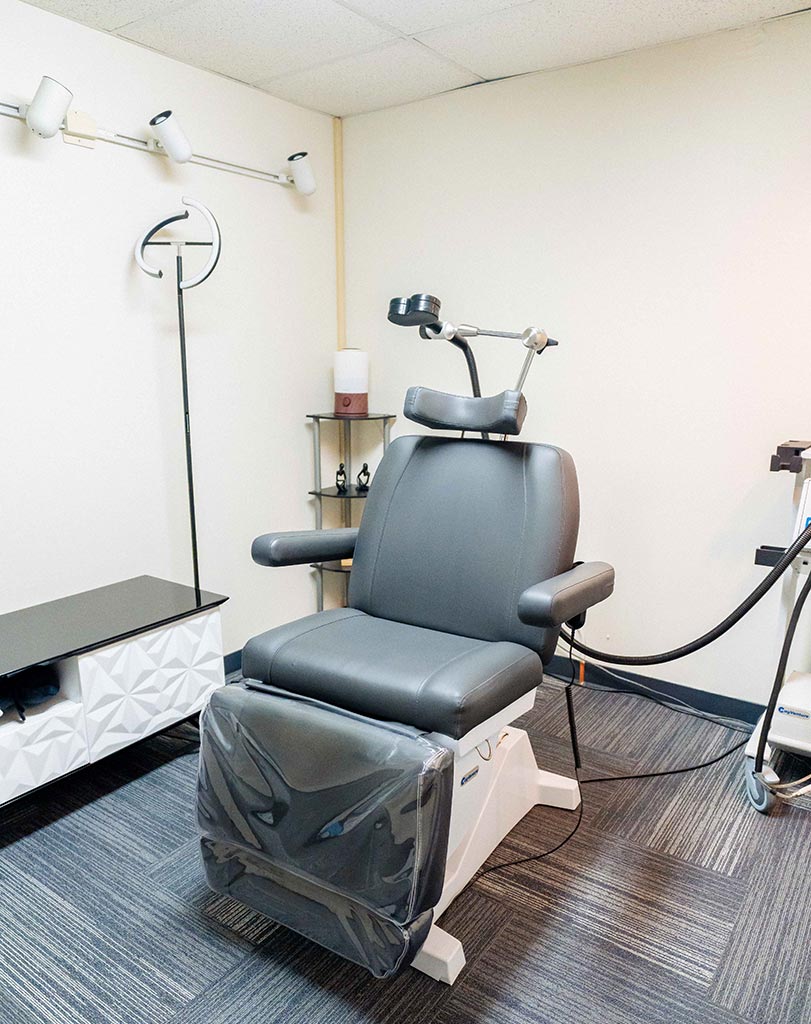
Transcranial Magnetic Stimulation (TMS) is a specialty treatment offered at Lotus Recovery.
This non-invasive procedure is typically used to treat severe depression in individuals who have not had success with other treatments. It can be particularly beneficial for those struggling with substance use, as depression is often a root cause of this. Additionally, it’s not uncommon to experience severe depression while withdrawing from drugs or alcohol, and TMS can be safely used to treat the symptoms. As part of our commitment to accessible care, our TMS treatment services in Thousand Oaks, CA, support individuals seeking effective, non-invasive support during recovery.
Lotus Recovery is always on the forefront of treatment options for mental health and substance use disorders, and we are proud to offer TMS as part of our services. We’ll be happy to explain this treatment in more detail so that you know what to expect. Here’s everything you need to know about TMS and how it can help you on your journey to healing. We also provide care to surrounding communities, including those seeking transcranial magnetic stimulation therapy in Westlake Village, CA. This ensures individuals in recovery—whether from drug rehab or ongoing mental health challenges—receive comprehensive, noninvasive care.
What Is Transcranial Magnetic Stimulation (TMS)?
TMS uses a device that generates magnetic pulses. It is placed near the scalp above specific areas of the brain that are known to be involved in mood regulation and other functions. The magnetic pulses delivered by the device pass through the skull and into the brain without any discomfort. These pulses stimulate neurons in specific parts of the brain, increasing or decreasing neuronal activity. Our TMS treatment in Thousand Oaks, CA, works alongside holistic therapy addiction services, mental health outpatient therapy, and flexible evening therapy options. This noninvasive depression treatment is especially helpful for individuals seeking alternatives when traditional therapies have not provided relief.
High frequency TMS tends to stimulate neuronal activity, while low frequency TMS decreases it. When neurons in the brain increase or decrease, the levels of neurotransmitters (serotonin, dopamine and norepinephrine) are adjusted, treating the symptoms of depression. With repeated TMS sessions, long-term changes in the brain can occur, establishing healthier patterns of brain activity.

Who are the Best Candidates for TMS?
At Lotus Recovery, each person is given an individualized treatment plan that addresses their unique needs. Not everyone will benefit from TMS, however. Generally speaking, we recommend this treatment for those who:
- Have been iagnosed with major depressive disorder
- Are not seeing positive results from their medications
- Cannot tolerate the effects of their medications
- Have an illness that stops them from taking antidepressants
- Experience depression symptoms that interfere with daily functioning
Some people are not candidates for TMS. These include individuals with implanted metallic devices or non-removable metallic objects in the head, those with implants controlled by physiological signals (pacemakers, vagus nerve stimulators, implantable cardioverter defibrillators) and those who are at a high risk for seizures. Clients who struggle with treatment-resistant depression often find that TMS for treatment-resistant depression offers a promising option when medications fall short.
Are There Any Side Effects From TMS?
We know that recovering from substance use and mental health conditions is tough, and the last thing we want to do is make you go through any more pain or discomfort than you have to! Fortunately, TMS is non-invasive, and its side effects are minimal. Possible symptoms include headaches, discomfort at the site of stimulation, lightheadedness and spasms. Our licensed TMS providers ensure safety and comfort throughout each session, offering supportive care alongside counseling and behavioral therapy options.

How Effective is TMS?
Roughly 50 to 60 percent of people who have tried and failed to receive positive effects from their medication have seen improvements with TMS. About one-third of these people experience full remission, meaning their symptoms went away permanently. However, TMS is still very new.
As more information emerges about TMS, Lotus Recovery will be the first to know! Our goal is to offer clients a wide range of treatment options so they can find what works for them. Some people have great success with TMS, while others find that alternative treatments work better. You won’t know unless you try, and Lotus Recovery gives all clients the option to add TMS to their treatment plans.
To learn more about this non-invasive, cutting edge treatment approach, contact Lotus Recovery today.